
 English
 Español
hsau hsau hsau hsau hsau
hsau hsau hsau hsau

When a machine builder asks about the melting point of aluminum, they are usually not planning to melt anything. They are checking a weldment drawing, specifying a die-cast housing, or confirming that an extruded profile frame can sit near a heat source. The answer is simple: pure aluminum melts at 660.32°C, or 933.47 K / 1220.58°F. Everything beyond that value depends on the alloy grade, the heating conditions, and the process being used.
That number is more than a trivia answer: it decides whether a part should be cast, extruded, welded, or machined, and it explains why aluminum behaves differently from steel in the shop. The sections below cover the reference value, how alloys widen it into a melting range, and how to apply that information in real production.
Content
Aluminum has one of the lowest melting points among common structural metals. The accepted reference value for pure aluminum is:
This value is measured on aluminum with a purity of about 99.996%. It is a true melting point in the thermodynamic sense: at 660.32°C the solid and liquid phases exist in equilibrium, and additional heat converts solid aluminum to liquid without changing the temperature. Commercial-purity grades, cast alloys, and wrought alloys behave differently because impurities and intentional additions spread the transition over a temperature range.
Almost every aluminum production process is positioned relative to the melting point. Casting works above it, extrusion works below it, and welding crosses it locally. Knowing where your process sits prevents the most common quality failures.
Casting is the only mainstream process that fully crosses the melting point. Die-casting alloys are held between roughly 680°C and 740°C so the metal has enough superheat to fill thin mold sections before freezing. The liquidus tells the foundry how much superheat is available; the solidus tells them when the casting is stable enough to eject. Gravity and sand casting follow the same logic at slightly different temperatures.
Welding heats a small zone above the melting point, but aluminum makes this harder than the temperature alone suggests. Every aluminum surface carries a thin oxide layer that melts at roughly 2072°C, so the oxide skin stays solid while the base metal below is already molten. That is why TIG and MIG welding rely on alternating current and oxide-cleaning action, and why poor preparation leads to oxide inclusions and porosity. Aluminum also gives no visual warning before it melts: it does not glow red like steel, so an overheated weld pool can collapse without any obvious signal.
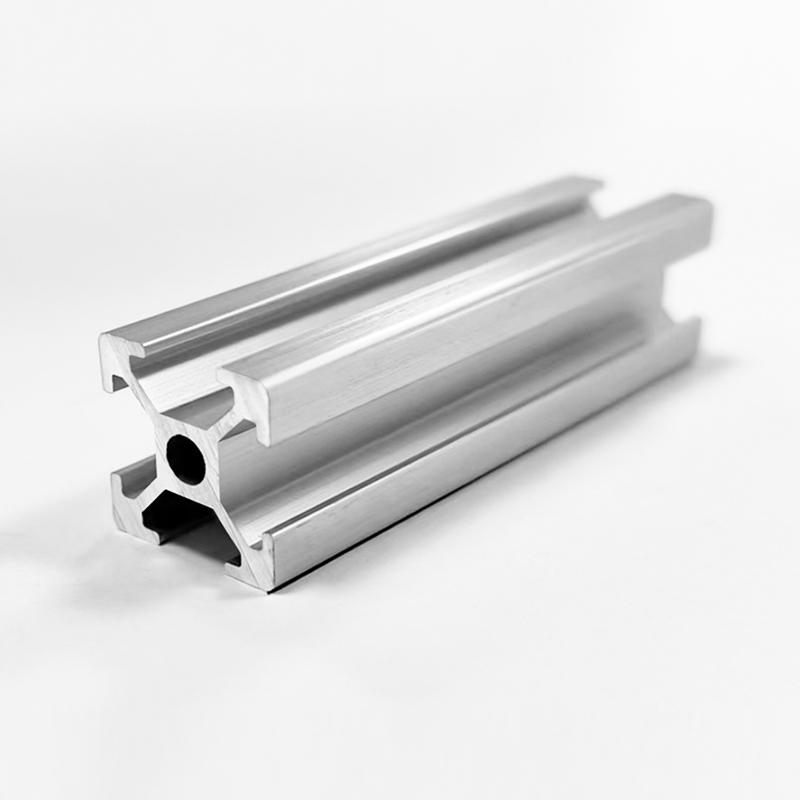
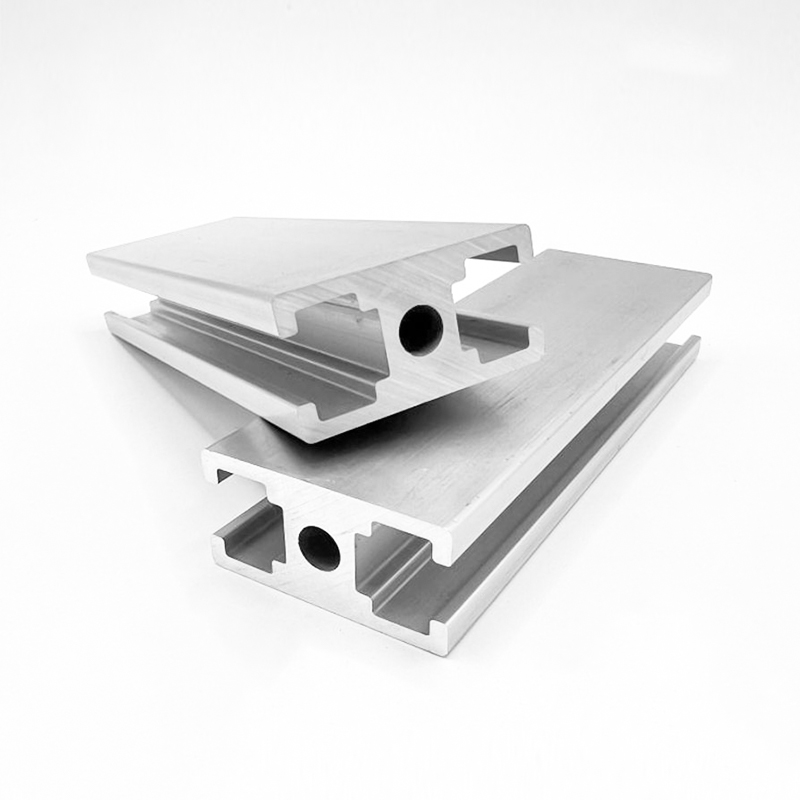
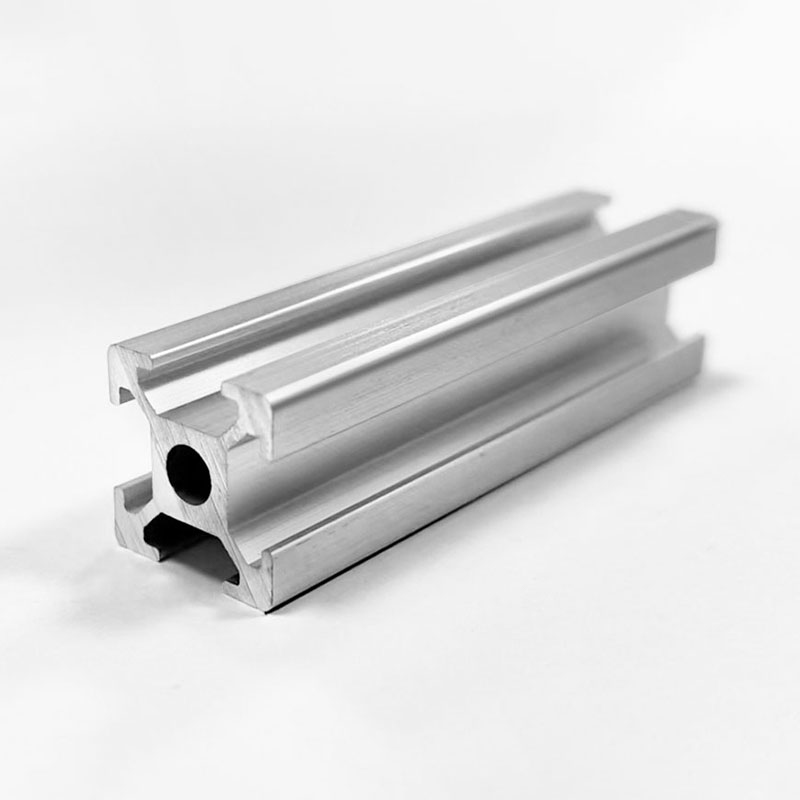
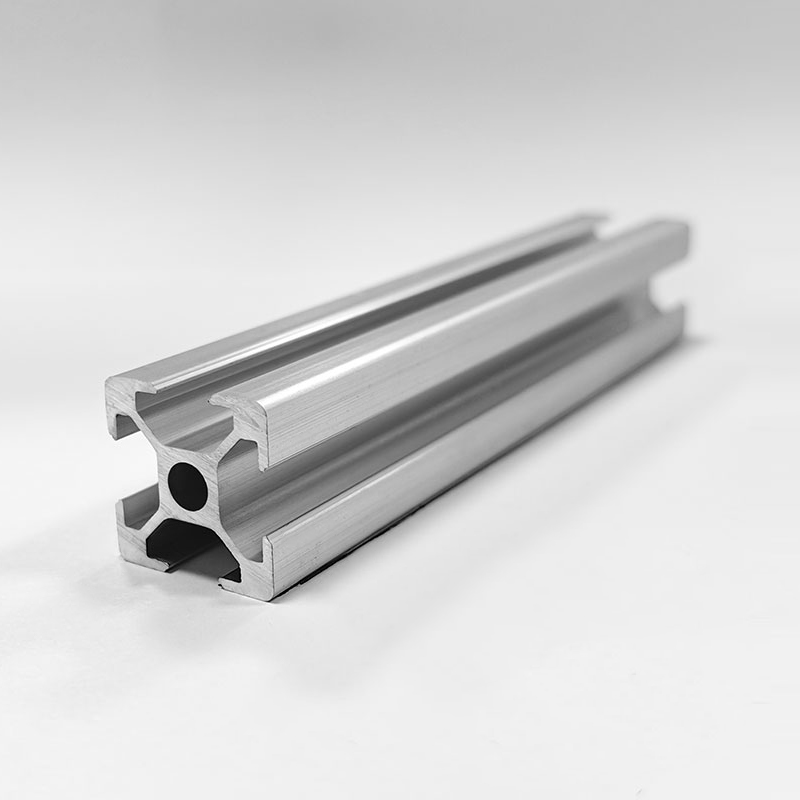
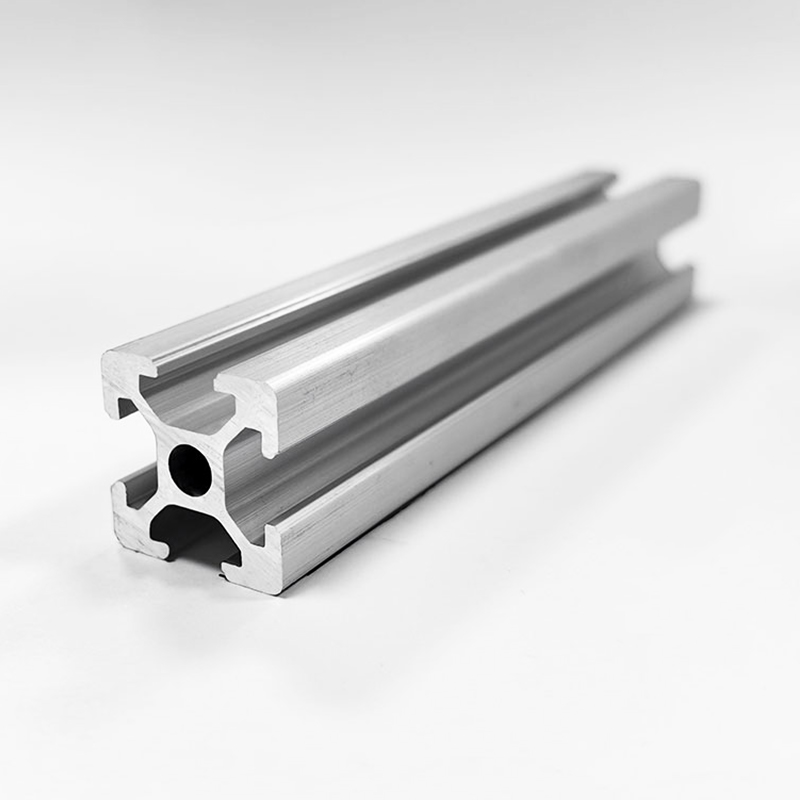
Extrusion deliberately keeps the metal in the solid state. Billets of 6xxx alloys are preheated to roughly 450-500°C, far below the solidus, so the material becomes soft and plastic but never partly molten. That is what allows complex cross-sections to be pushed through a die while holding tight tolerances. As a manufacturer of industrial aluminum extrusion profiles, we treat billet temperature as one of the most controlled parameters on the press: too cold and the profile tears, too hot and surface quality degrades, and at the solidus the section begins to crack. For standard framing sections such as our 2020 series T-slot aluminum extrusion profiles, stable preheat keeps the cross-section accurate from the first meter to the last.
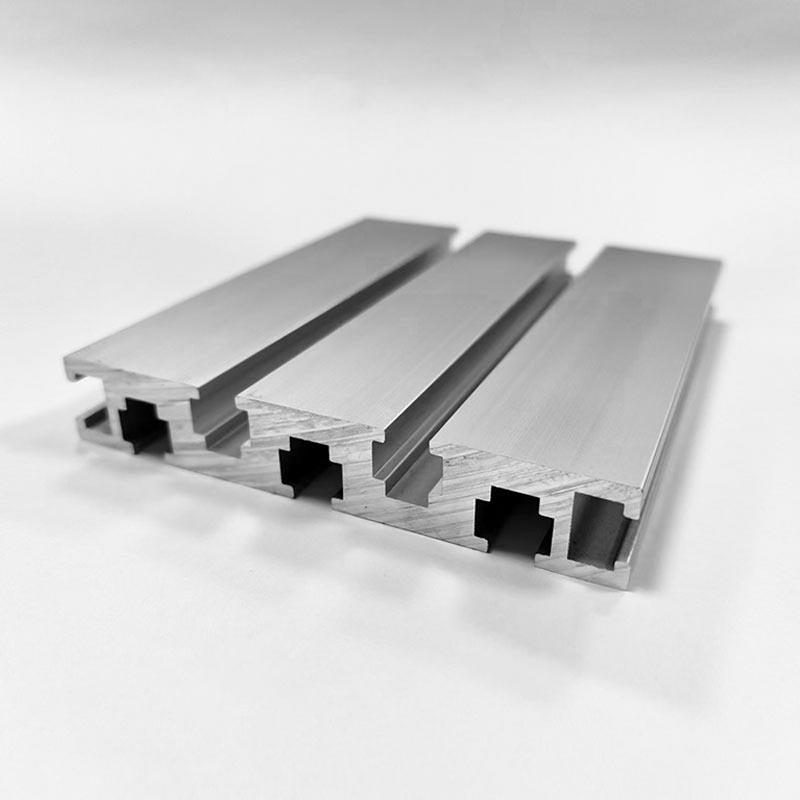
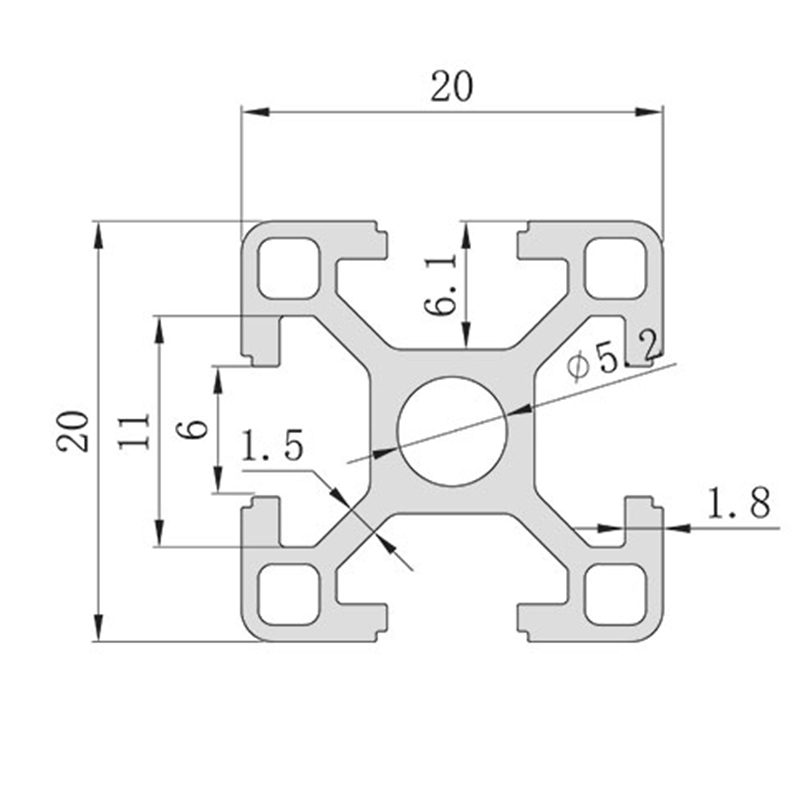 OEM 2020 series aluminum extrusion profile with 6mm t-slot design Suppliers, ComShanghai Huishuo Aluminum Industry Technology Co., Ltd. is China wholesale 2020 series aluminum extrusion profile with 6mm t-slot design ...View Product →
Pure aluminum melts at a single sharp temperature. As soon as alloying elements are added, the transition spreads into a range. The solidus is the highest temperature at which the alloy is still completely solid; the liquidus is the lowest temperature at which it is completely liquid. Between the two, solid and liquid phases coexist, which is normal in casting but dangerous in heat treatment and welding.
| Alloy | Temper | Solidus (°C) | Liquidus (°C) | Typical application |
|---|---|---|---|---|
| 6063 | T5 / T6 | 615 | 655 | Extruded profiles, frames, architectural sections |
| 6061 | T6 | 582 | 652 | Structural sections, welded assemblies |
| 5052 | H32 | 607 | 649 | Marine panels, sheet work |
| 7075 | T6 | 477 | 635 | High-strength aerospace components |
| A356 | T6 cast | 574 | 610 | Cast wheels, pump housings |
Note the spread: 6061 is already partly molten above 582°C, even though it is not fully liquid until 652°C. Extrusion dies stay below the solidus to avoid hot cracking. In heat treatment, exceeding the solidus causes incipient melting that permanently destroys the mechanical properties of the part.
Several real-world variables change how the theoretical melting point behaves on the shop floor.
Silicon and copper lower the melting range more than any other common additions. The aluminum-silicon eutectic sits at about 577°C with roughly 12.6% silicon, which is why most casting alloys stay workable at temperatures where wrought alloys are still solid. Magnesium and zinc also depress the solidus, as the 7075 row in Table 1 shows. Alloy selection is therefore inseparable from process selection.
Aluminum with 99.99% purity melts within a fraction of a degree of 660.32°C. Commercial-purity grades of 99.5-99.8% contain trace iron and silicon that widen the transition by a few degrees. For most structural work the difference is negligible, but for brazing and precision casting it changes filler selection and soak times.
Aluminum oxide melts at roughly 2072°C, about three times higher than the metal beneath it. During welding and brazing, the layer must be broken up or removed, otherwise the molten metal cannot wet the joint. During melting for casting, the oxide skin floats on top and can be skimmed, but it also traps gas and inclusions if stirred into the melt. The oxide layer does not change the melting point of the metal, but it is the main reason aluminum is harder to weld than steel.
For engineering purposes, neither pressure nor heating rate has a practical effect on the melting point of aluminum. Pressure effects appear only in specialized high-pressure research, and heating rate affects how accurately you observe the transition, not the equilibrium value itself. Trust the material datasheet, not the pyrometer reading.
For an aluminum profile frame, the melting point is almost never the design limit. Frames are engineered against deflection, yield strength, and joint stiffness, not melting. Temperature still matters in two ways.
First, continuous service above roughly 250-300°C softens standard 6xxx tempers long before melting occurs: aging effects reverse, strength drops, and clamped joints can creep. Second, any welding or brazing performed on a frame introduces local melting that anneals the heat-affected zone. If a machine frame must carry load near a welded joint, re-age after welding or redesign the joint.
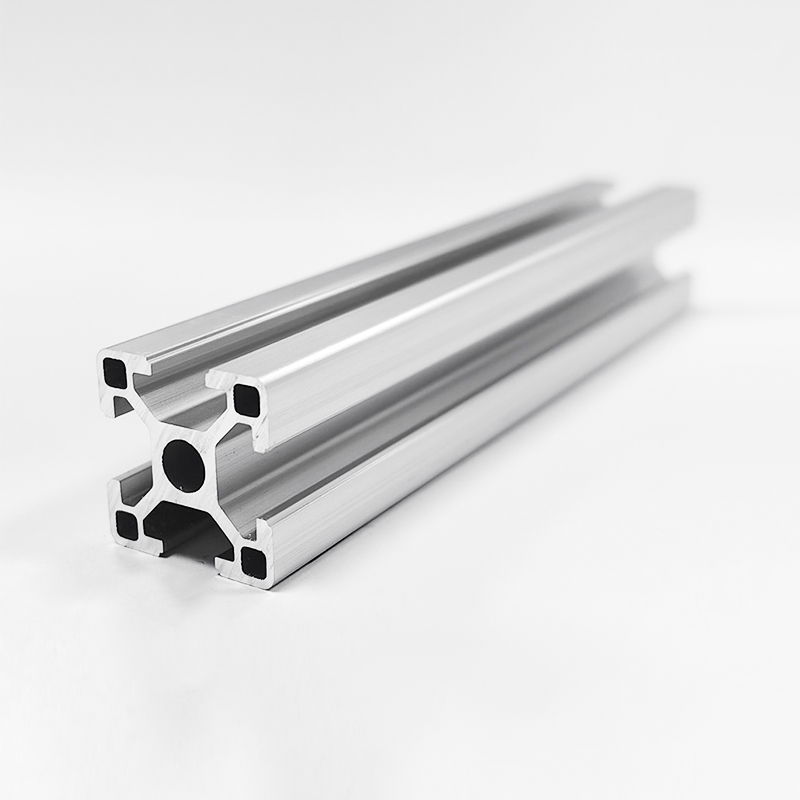
For load-bearing structures with vibration or point loads, the low elastic modulus of aluminum means section stiffness does the work. We often recommend heavier wall sections such as thickened load-bearing 4040 T-slot aluminum profiles instead of compensating with stronger alloys, because the frame becomes stiffer without changing welding behavior or melting characteristics. When you compare series and load classes, a practical engineering guide to T-slot aluminium extrusion systems saves more design time than re-checking melting temperatures.
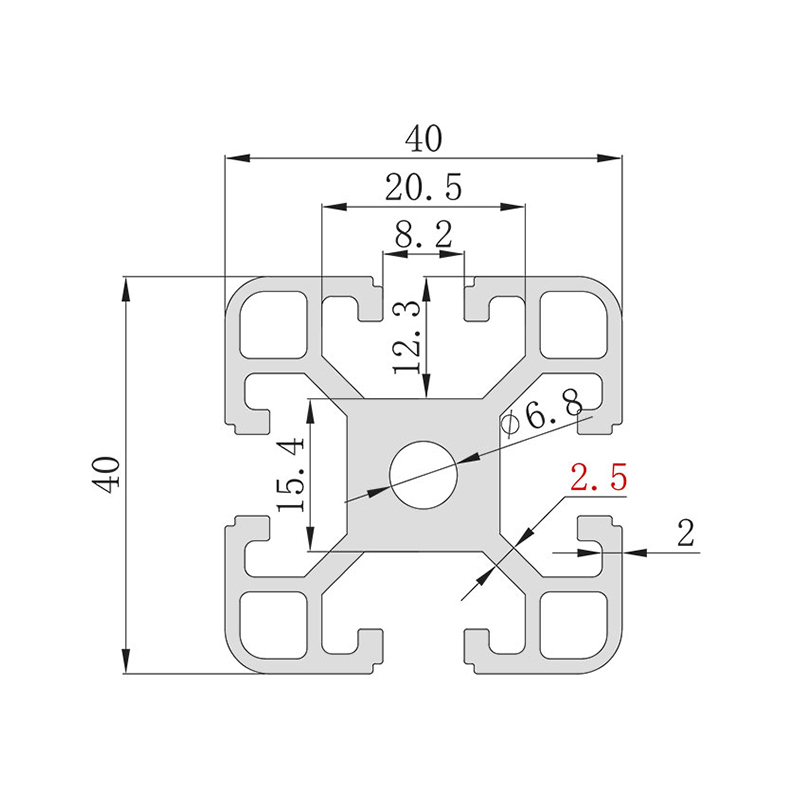 OEM HS-8-4040B Thickened Load-Bearing T-Slot 4040 Aluminum Profile, 2.5mm Wall TShanghai Huishuo Aluminum Industry Technology Co., Ltd. is China wholesale HS-8-4040B Thickened Load-Bearing T-Slot 4040 Aluminum Profile...View Product →
| Metal | Melting point (°C) | Melting point (°F) | Comparison with aluminum |
|---|---|---|---|
| Zinc | 419.5 | 787 | Lower; protects steel as a galvanizing coating |
| Magnesium | 650 | 1202 | Similar; used in lightweight castings |
| Aluminum (pure) | 660.3 | 1220.6 | Reference |
| Brass (typical) | 900-940 | 1650-1720 | Higher; harder to cast and machine |
| Copper | 1084.6 | 1984 | Much higher; excellent conductivity |
| Stainless steel | 1400-1450 | 2550-2640 | Much higher; high-temperature service |
| Mild steel | 1370-1510 | 2500-2750 | Much higher; structural default |
The most important consequence is economic. Aluminum's moderate melting range is exactly what makes extrusion and die casting fast and affordable. Steel and stainless steel need far more energy to melt and form, which is why heavy structural work still favors steel while light frames, enclosures, and heat-dissipating components favor aluminum. The same temperature limit means aluminum has no place in continuous service above roughly 300°C: it will not melt, but it will lose temper and creep under load.
Put the melting point to work in the design office, not only in the furnace:
In our production facilities, the melting point decides how a part is made, not whether it can be made. If a geometry has to be cast, we cool it from the liquidus with controlled parameters. If it has to be welded, we manage local heat input. If it has to be machined, we apply CNC aluminum processing with controlled feeds, speeds, and coolant flow.
 Wholesale CNC Aluminum Processing Factory, ManufacturersShanghai Huishuo Aluminum Industry Technology Co., Ltd. is China CNC Aluminum Processing manufacturers and CNC Aluminum Processing fact...View Product →
Knowing that pure aluminum melts at 660.32°C is the easy part. The real engineering question is which alloy, which process, and which temperature window produce the part you need. Start with the alloy series, check the solidus and liquidus, and let the process follow.

Phone
+86-021-5788 5585
+86-133 8191 2789
Address
No. 218, Zhongde Road, Xiaokunshan Town, Songjiang District, Shanghai, China
Media
