
 English
 Español
hsau hsau hsau hsau hsau
hsau hsau hsau hsau

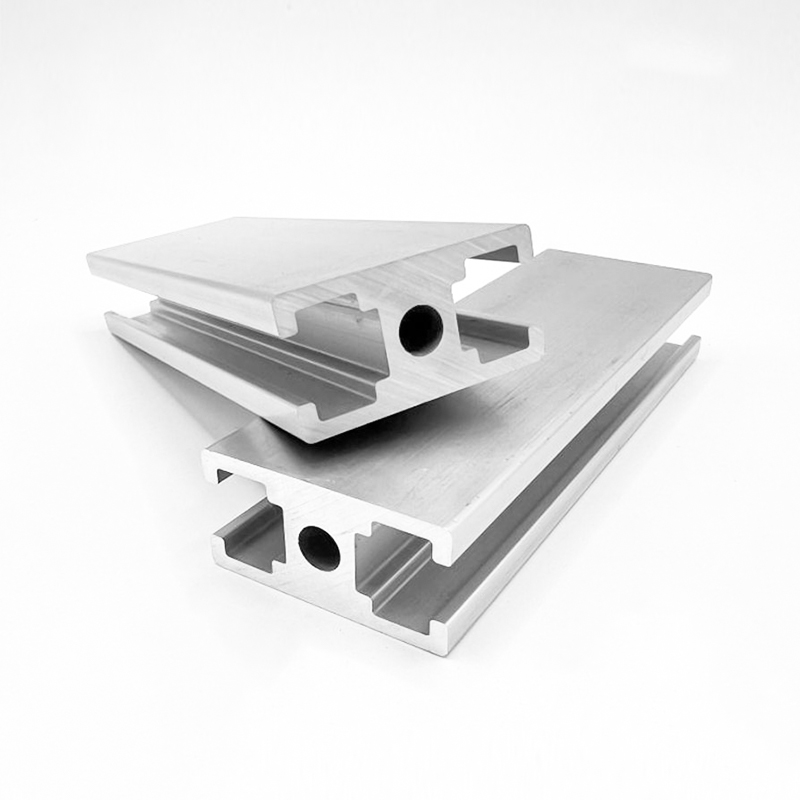
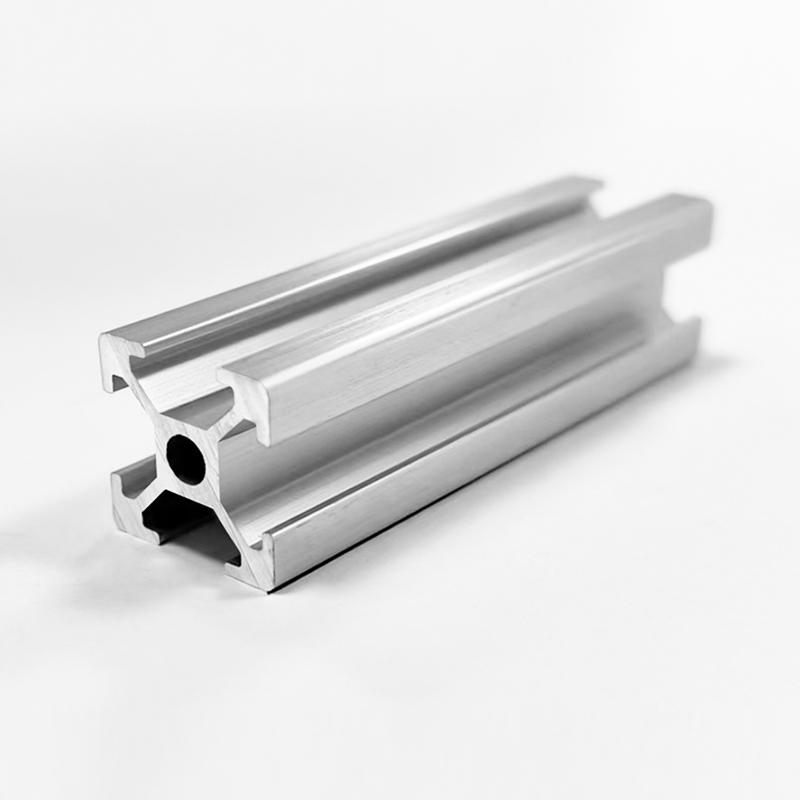
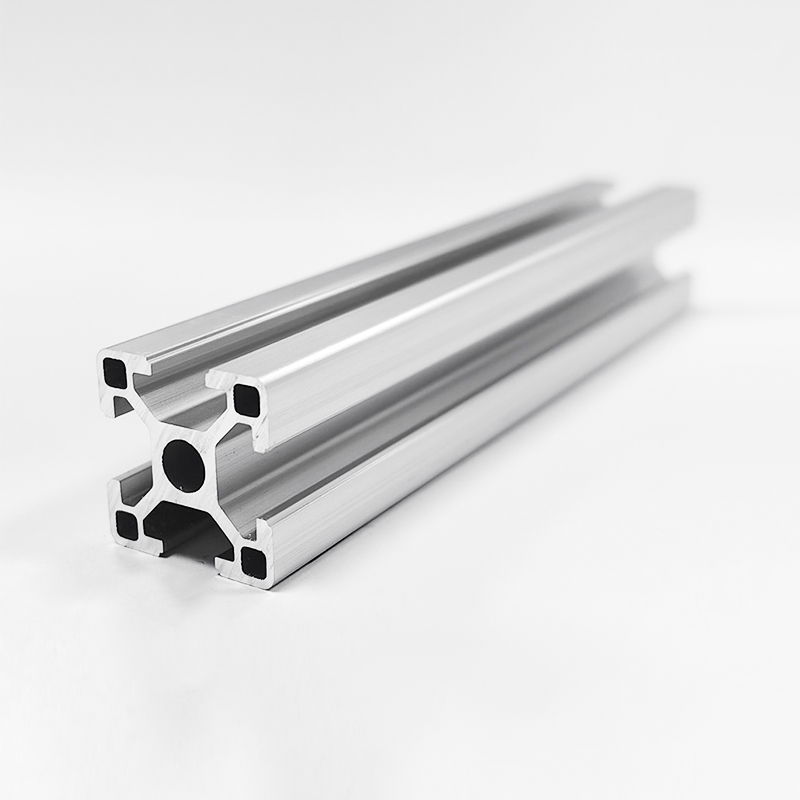
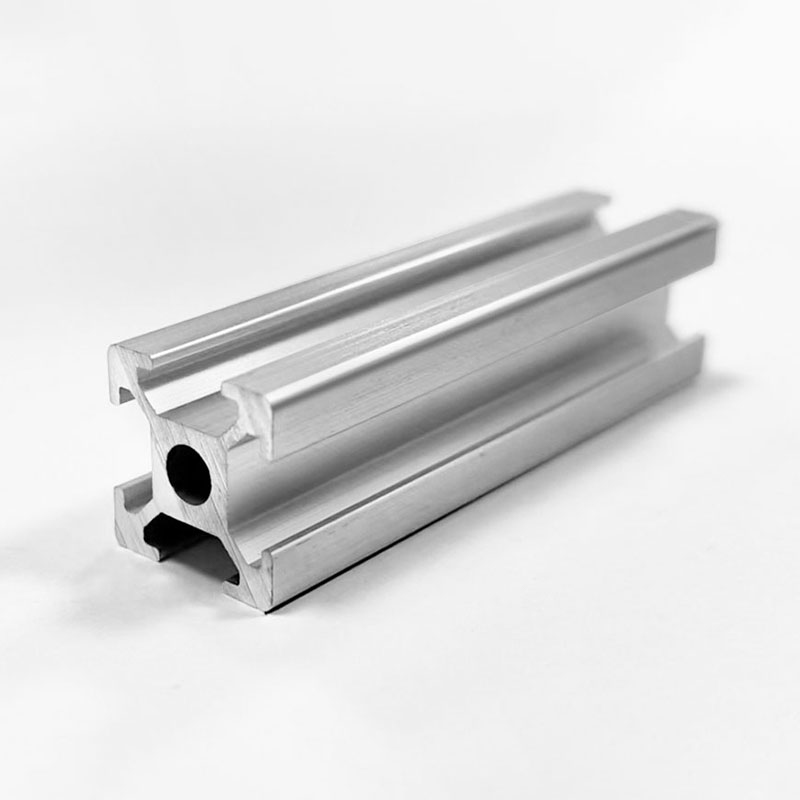
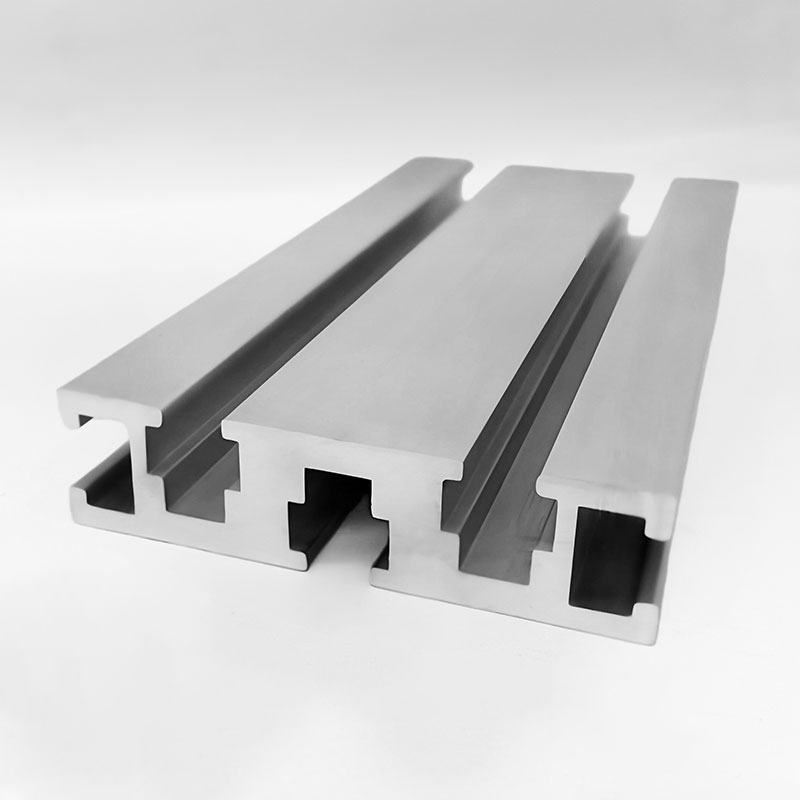
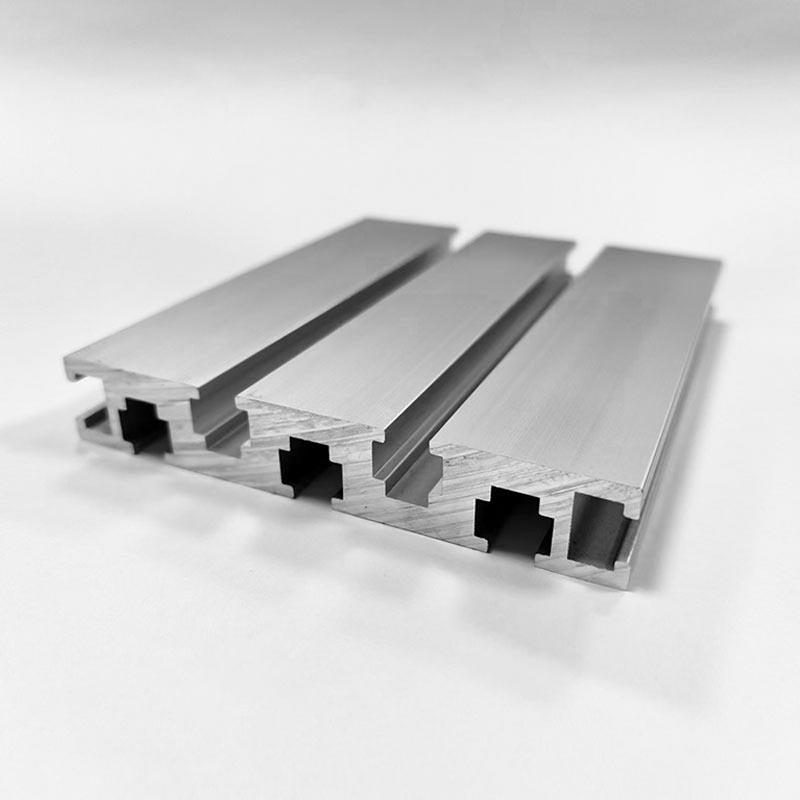
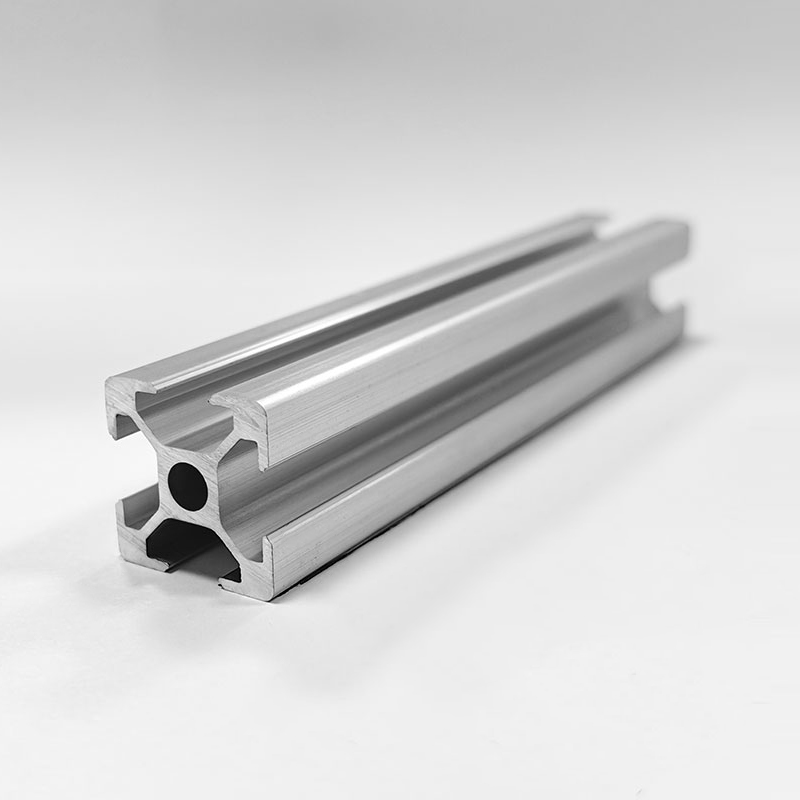
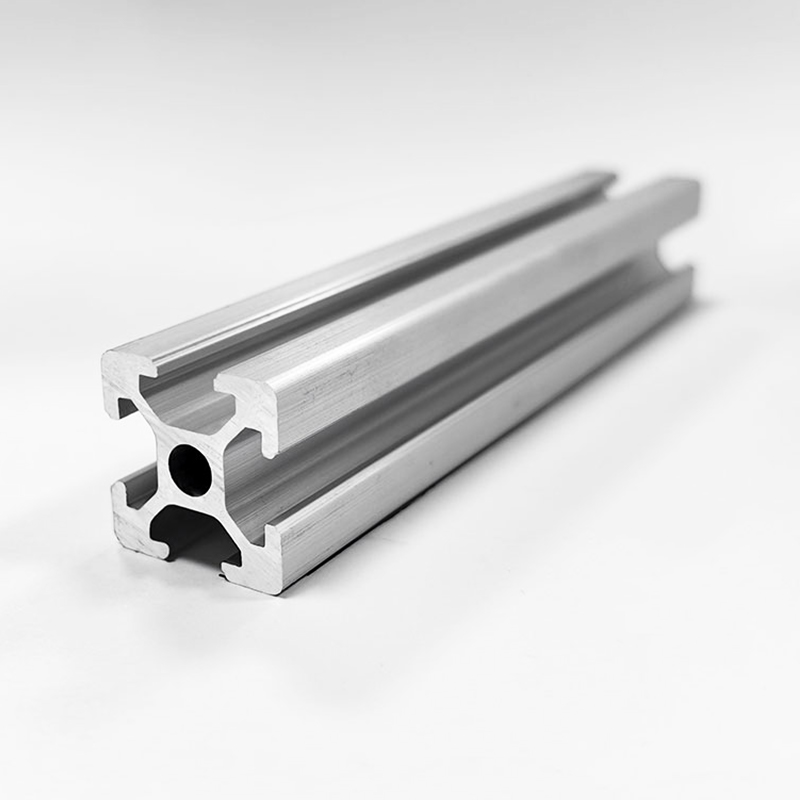
An opening aluminum extrusion profile is an extruded aluminum section with an open cross-section — a U-channel, C-channel, or L-profile — rather than a fully enclosed tube. That open geometry gives easy access for fastening, cable routing, and panel installation, which is why it turns up constantly in machine frames, brackets, mounting rails, and architectural trim.
An open profile is defined by what it leaves accessible: a slot or face running the full length of the bar, ready for bolts, brackets, and panels without reaching into a sealed cavity.
Content
The die shapes the aluminum billet into a channel, U, C, L, T, or Z form instead of a closed tube. This open face gives direct access to fastening surfaces along the entire length of the bar, which is the whole point of choosing an open section over a closed one.
The trade-off is mechanical: open sections give up some torsional rigidity in exchange for that accessibility, so they suit fastening-heavy assemblies rather than sealed or pressure-bearing structures.
Decide whether the profile carries structural load, routes cable, mounts panels, or provides trim, and note indoor versus outdoor exposure.
Compare cross-sectional shape, opening width, and wall thickness rather than nominal size alone — stiffness depends heavily on shape.
Check alloy, temper, dimensional tolerance, and surface treatment, and request drawings for critical applications.
Review die-making experience with open sections, cutting and finishing services, MOQ, and lead time before ordering.
Nominal dimensions alone will not tell you if a section holds the load you need. Cross-sectional geometry and wall thickness decide that — check them before you check the price.
An open profile has an accessible cross-section like a U or C channel, while a closed profile forms a fully enclosed tube with generally better torsional rigidity.
U-channel, C-channel, L-profile, T-section, and Z-section are the most common open geometries, each suited to different fastening and load conditions.
Yes. Aluminum's natural oxide layer resists corrosion, and anodizing or powder coating extends durability further for outdoor installations like solar mounting rails.
Choose a closed tube when the application needs sealed internal protection, pressure resistance, or maximum torsional rigidity for a given cross-sectional size.

Phone
+86-021-5788 5585
+86-133 8191 2789
Address
No. 218, Zhongde Road, Xiaokunshan Town, Songjiang District, Shanghai, China
Media
