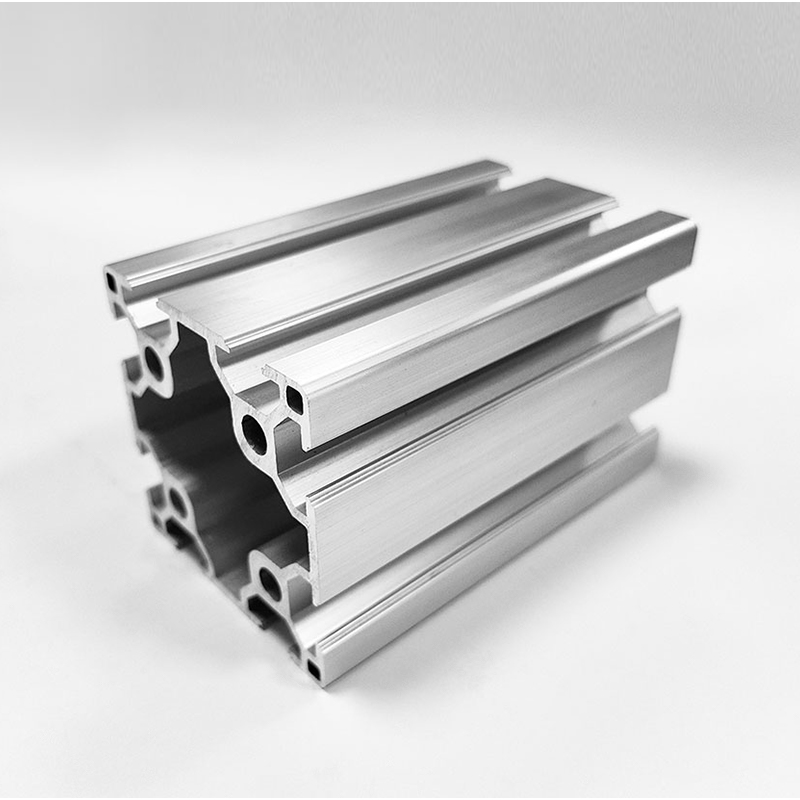
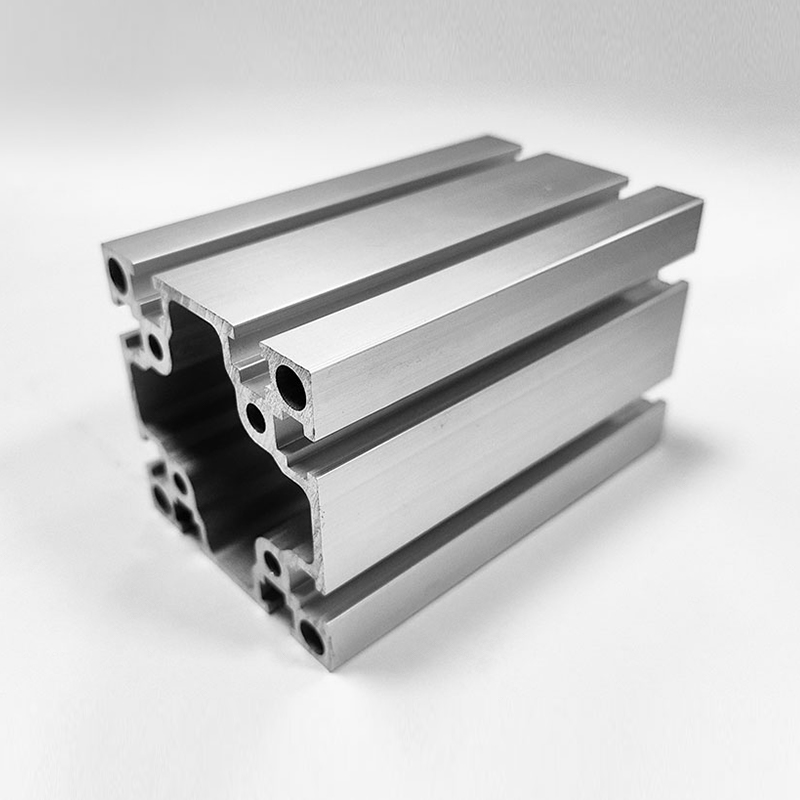
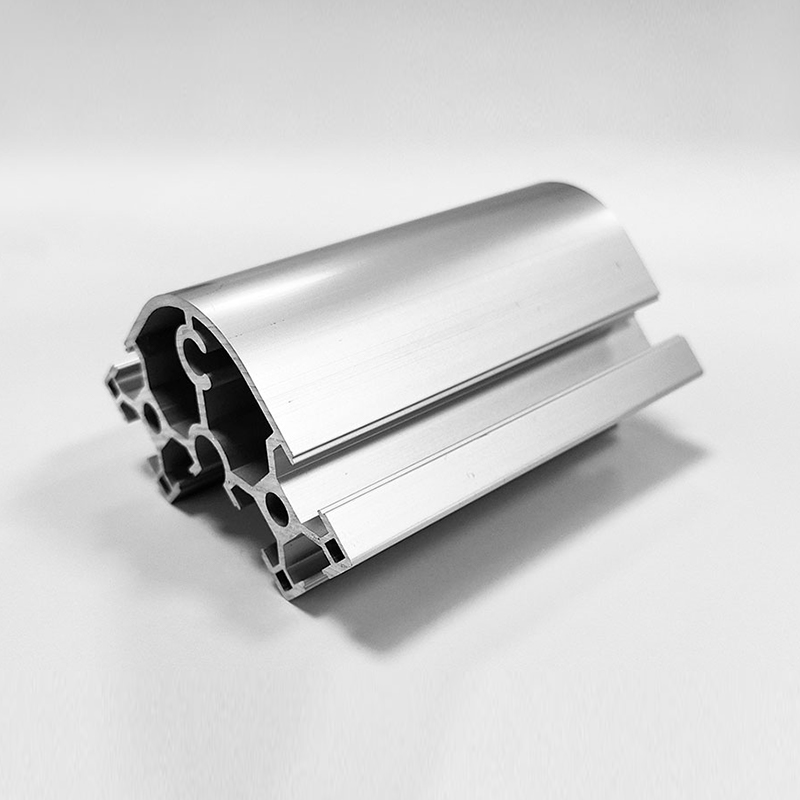
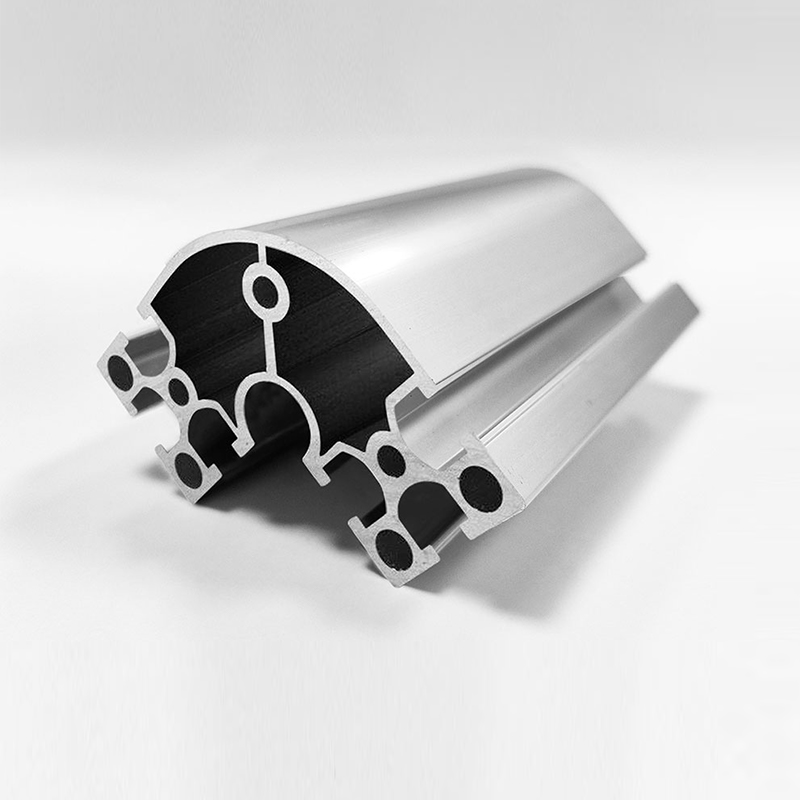
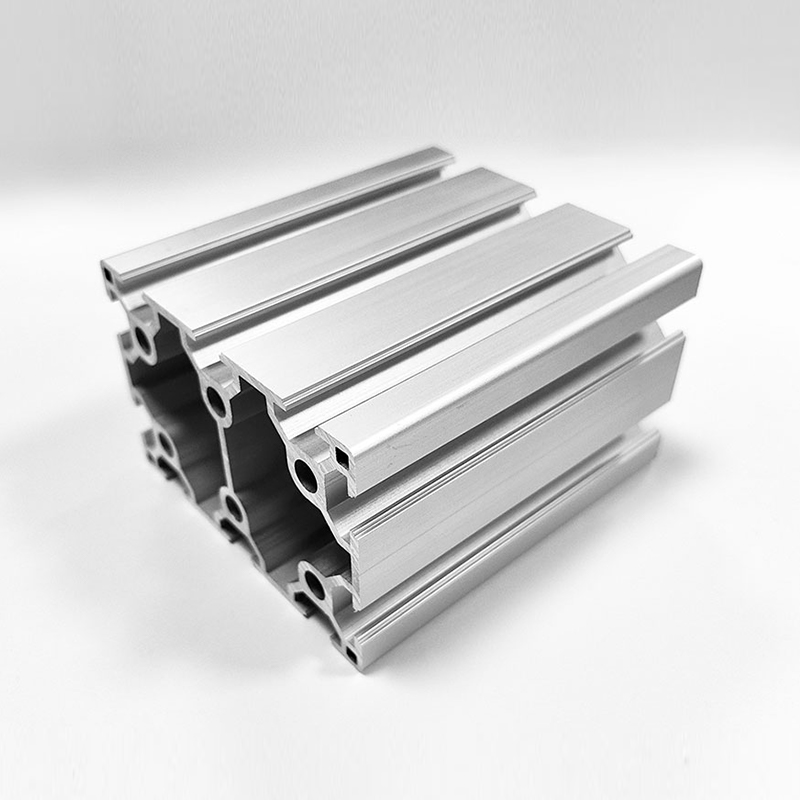
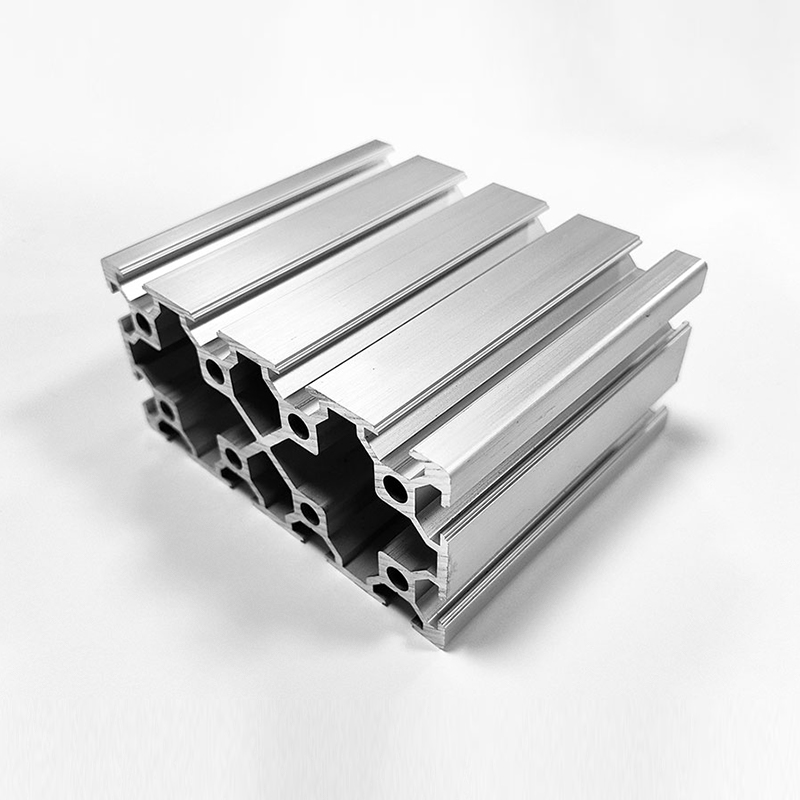
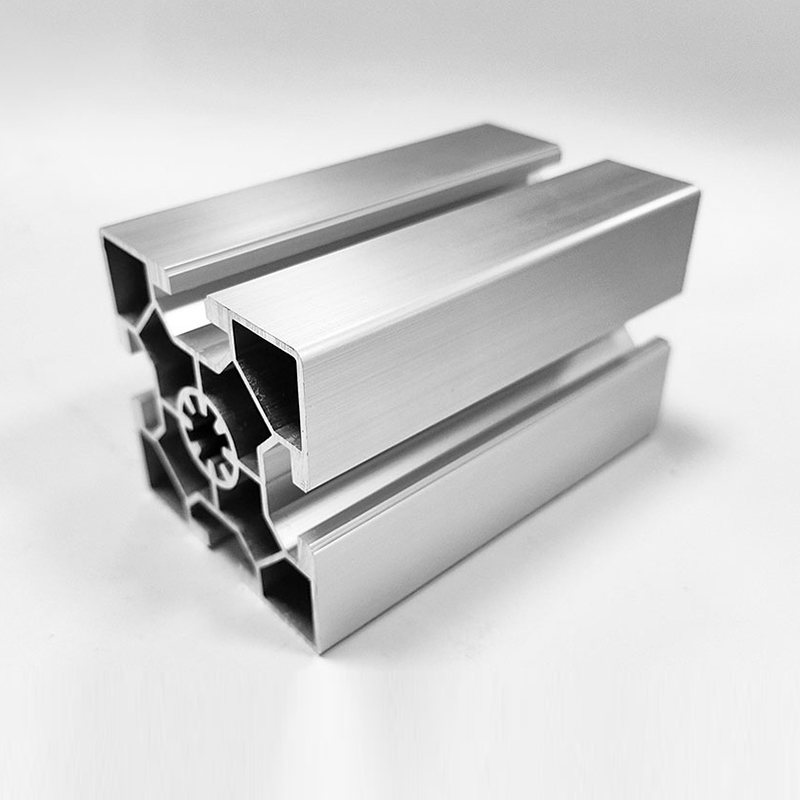
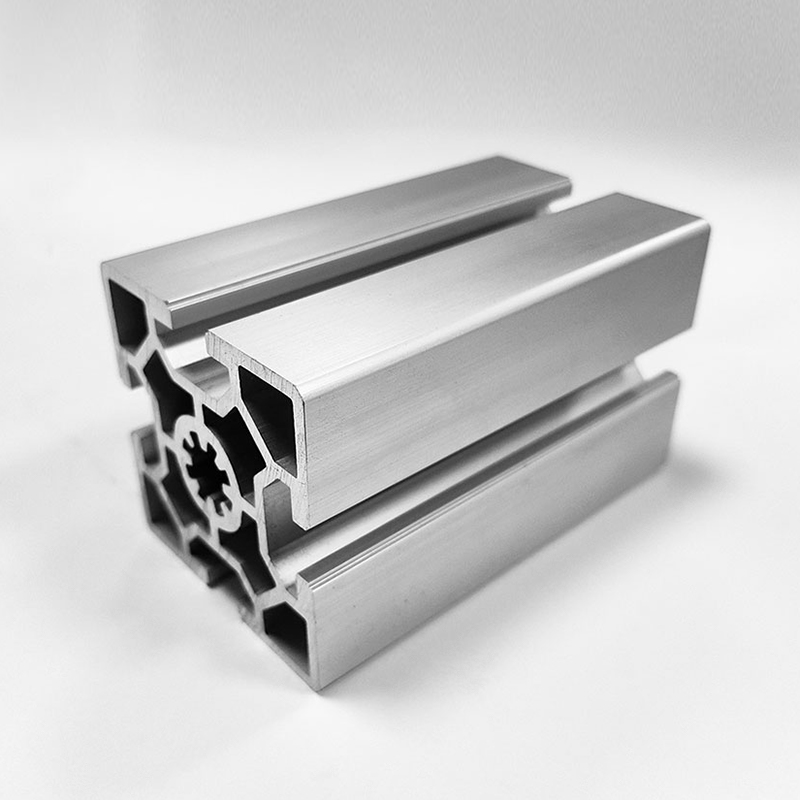
60 Series Aluminum Extrusion Profile – Engineered for High-Load Industrial Framing
60 series aluminum extrusion profiles are the backbone of large-scale automation frames, heavy conveyor supports, machine bases, and modular workstations. With a 60 mm slot pitch and robust wall thicknesses, these profiles deliver the moment of inertia needed to support static loads exceeding 500 kg per meter and dynamic loads from robotic arms and linear drives. As a 60 Series Aluminum Extrusion Profile manufacturer with over 16 years of experience, Shanghai Huishuo Aluminum Industry Technology Co., Ltd. offers pre-cut, ready-to-assemble kits that reduce on-site fabrication time and eliminate welding distortion. This category is ideal when 40 or 50 series profiles lack the rigidity for spans over 2 meters or when bolt-together steel structures add unnecessary weight and corrosion risk.
Key Specifications and Trade-Offs
Selecting the right 60 series profile requires balancing cross-section geometry, wall thickness, slot type, and alloy temper. The table below compares the most common variants available from this 60 Series Aluminum Extrusion Profile supplier.
| Model |
Cross-Section (mm) |
Slot Type |
Wall Thickness (mm) |
Typical Load Capacity |
Best Application |
| HS-8-6060 |
60×60 |
T-slot (8 mm) |
2.5–3.0 |
Medium (≤300 kg/m) |
Universal frames, workstations |
| HS-6-6060G |
60×60 |
Square-slot (6 mm) |
3.0–3.5 |
Medium-High (≤400 kg/m) |
Strong locking, vibration resistance |
| HS-8-6630R |
60×30 |
T-slot (8 mm) |
1.8–2.2 |
Light (≤150 kg/m) |
Lightweight guarding, enclosures |
| HS-6-6630GR |
60×30 |
U-slot (6 mm) |
1.5–1.8 |
Light (≤100 kg/m) |
Thin-walled, cost-sensitive projects |
| HS-8-6090 |
60×90 |
T-slot (8 mm) |
3.0–4.0 |
High (≤600 kg/m) |
Beams, gantries, medium-load conveyors |
| HS-8-60120 |
60×120 |
T-slot (8 mm) |
4.0–5.0 |
Heavy (≤900 kg/m) |
Main beams, heavy automation bases |
| HS-10-6060L |
60×60 |
T-slot (10 mm) |
1.4 |
Light (≤80 kg/m) |
Large-scale lightweight framing |
| HS-10-6060W |
60×60 |
T-slot (10 mm) |
5.0–6.0 |
Extra Heavy (≤1200 kg/m) |
High-load automation lines, press frames |
Trade-off guidance: T-slot profiles (HS-8-xxx) offer the widest accessory compatibility and faster assembly. Square-slot (HS-6-xxx) provides higher pull-out strength for bolted joints under vibration. Lightweight variants (HS-8-6630R, HS-10-6060L) reduce material cost and weight but limit load and span. Heavy-duty profiles (HS-8-60120, HS-10-6060W) are specified when deflection must stay below L/500 under full load.
Application Fit and Process Integration
60 series profiles are used across multiple industries:
- Automation & Robotics: Machine bases, robot pedestals, linear actuator supports. Require flatness ≤0.5 mm over 3 m and T-slot compatibility with M8 or M10 fasteners.
- Conveyor Systems: Main beams and legs for belt or roller conveyors. HS-8-6090 and HS-8-60120 are common for spans up to 6 m.
- Material Handling: Heavy-duty carts, lift tables, and storage racks. Square-slot profiles resist loosening from repeated impact.
- Safety Guarding: Perimeter fences and machine enclosures. Lightweight 60×30 profiles reduce cost while meeting OSHA impact requirements.
- Cleanroom & Laboratory: Anodized or powder-coated profiles prevent particle shedding. Specify surface treatment in the RFQ.
For integration with existing 40 series or 50 series structures, use transition brackets or custom adapters. The factory offers CNC machining for drilled, tapped, and milled ends to match your bolt pattern.
Material, Alloy, and Surface Treatment
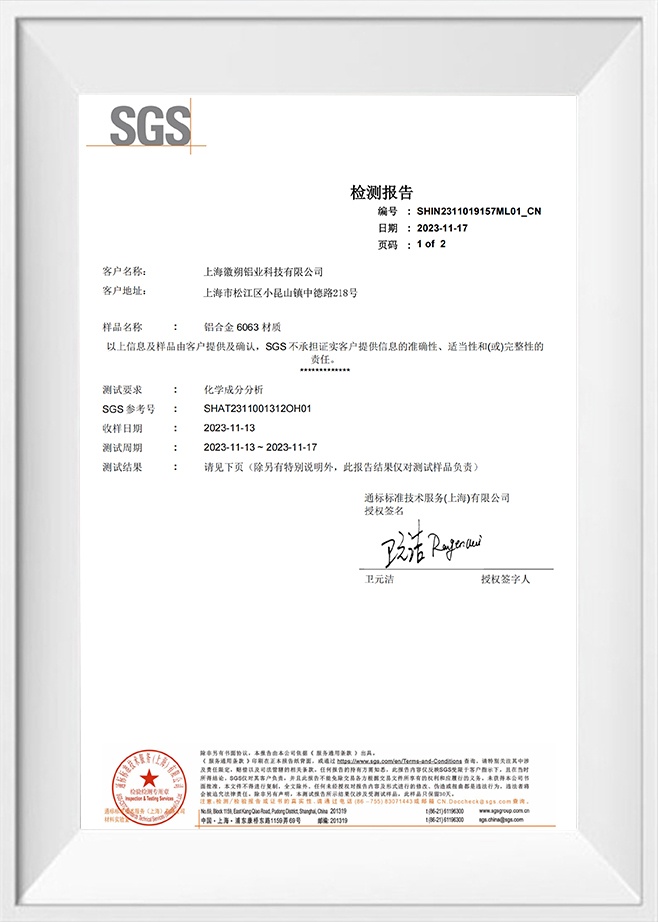
Standard alloy is 6063-T5 or 6061-T6. 6063-T5 offers good extrudability and surface finish; 6061-T6 provides higher tensile strength (≥310 MPa) for load-bearing members. Specify the alloy and temper in your RFQ. Surface treatment options include:
- Silver anodizing (AA10–AA15): Standard for indoor use, corrosion resistant, cost-effective.
- Black anodizing: Aesthetic for visible frames, reduces light reflection.
- Powder coating: RAL colors, thicker coating (60–120 μm) for outdoor or chemical exposure.
- Electrophoretic coating: Uniform film, high adhesion for wet environments.
The factory operates 6 surface treatment lines, including anodizing and powder coating, with a 14-meter anodizing tank capable of handling long profiles.
Quality Assurance and Acceptance Testing
Request the following quality evidence from the supplier:
- Mill test certificate (MTC) per EN 10204 3.1 or 3.2.
- Dimensional inspection report: cross-section tolerance ±0.2 mm, straightness ≤0.5 mm/m, twist ≤1° per meter.
- Surface finish: no scratches, die lines, or corrosion spots.
- Hardness test: typically 8–12 HW for 6063-T5.
- Anodizing thickness verification (eddy current gauge).
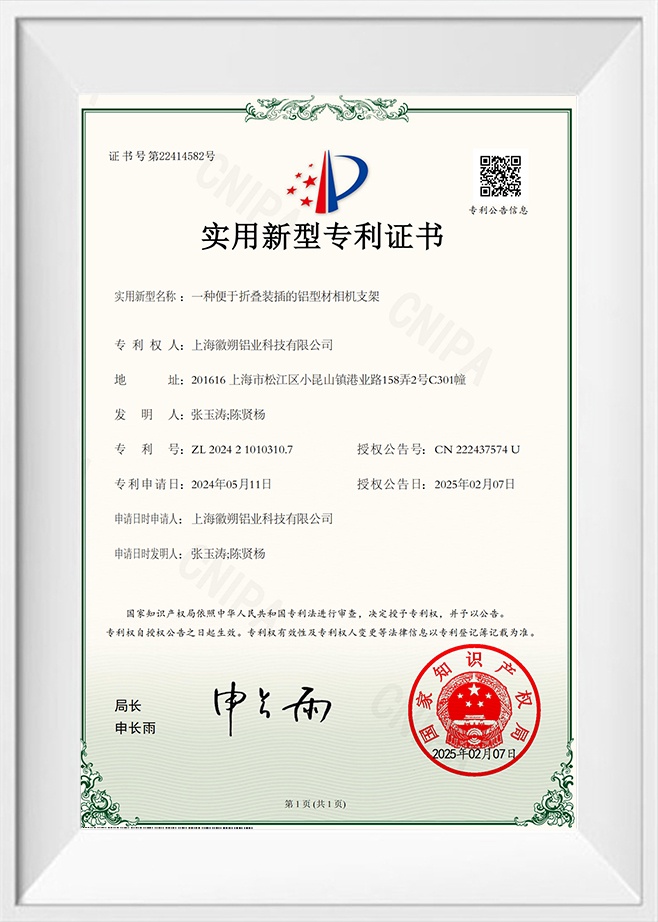
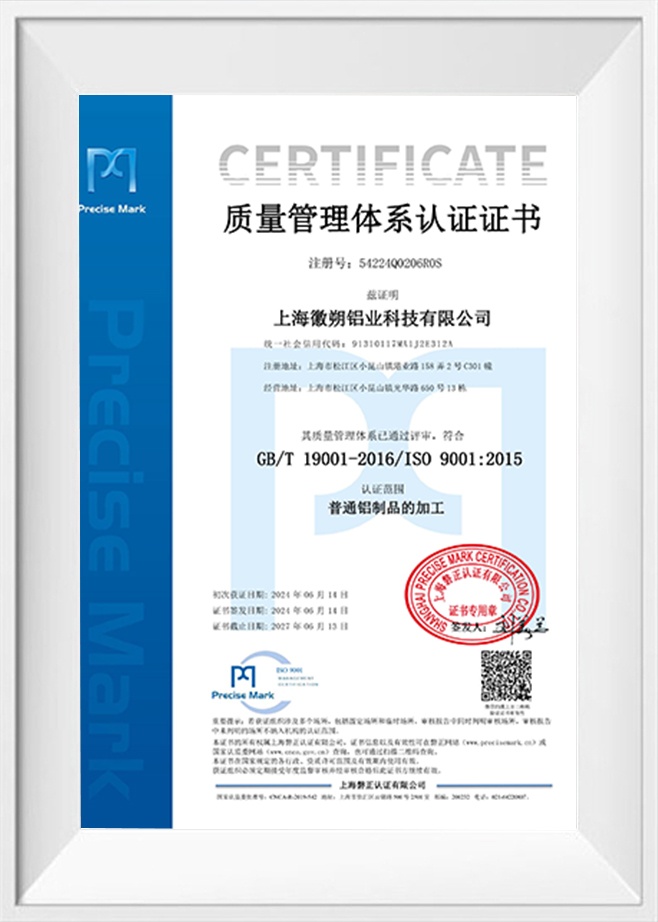
Shanghai Huishuo maintains a quality control department with image measuring instruments, tensile testers, and coordinate measuring machines. Their certifications include ISO 9001 and utility model patents.
Customization and Mold Making
If your design requires a non-standard cross-section, the supplier offers custom mold making. Typical lead time for a new mold is 15–25 days. Provide a 2D drawing or 3D STEP file with critical dimensions and tolerances. Minimum order quantity for custom profiles is usually 500 kg per die. For standard 60 series profiles, no mold fee applies.
Buyer RFQ Checklist
Use the following checklist to ensure complete specifications when requesting a quote:
- Profile model and quantity (e.g., HS-8-6060, 200 meters).
- Alloy and temper (e.g., 6063-T5 or 6061-T6).
- Surface treatment (silver anodized, black anodized, powder coat RAL code).
- Cut length and tolerance (e.g., 3000 mm ±0.5 mm).
- Machining requirements (drilling, tapping, milling, counterboring – provide drawing).
- Packaging (individual wrapping, wooden crates, or bulk bundling).
- Delivery terms (Incoterms, port, required delivery date).
- Certification (MTC, dimensional report, surface finish report).
- Sample request (300 mm length for fit check).
- Accessories (T-nuts, brackets, end caps – see Aluminium Profile Accessories).
Installation, Maintenance, and Lifecycle Cost
60 series profiles are assembled with standard T-slot fasteners and brackets. No welding is required, which reduces labor cost by 30–50% compared to steel fabrication. For long-term stability, use anti-loosening T-nuts with spring washers in high-vibration environments. The supplier provides connectors and fasteners designed for each profile series. Maintenance involves periodic retorquing of joints and inspection of anodized surfaces for wear. Total cost of ownership is lower than welded steel due to reusability: profiles can be disassembled and reconfigured for new layouts.
Supplier Evaluation Criteria
When evaluating a 60 Series Aluminum Extrusion Profile manufacturer in China, consider:
- Extrusion capacity: Number of presses and tonnage range (600T–5000T).
- CNC capability: Machining centers with tolerance ≤0.01 mm and bed length up to 6.5 m.
- Surface treatment lines: In-house anodizing, powder coating, electrophoresis.
- Quality system: ISO 9001, in-house testing equipment.
- Lead time: Standard profiles 7–15 days, custom profiles 20–30 days after mold approval.
- After-sales support: Engineering assistance for frame design, on-site installation guidance.
Shanghai Huishuo operates 13 extrusion lines (600T–5000T), 26 CNC machining centers, and 6 surface treatment lines across three bases totaling 30,000 m². Their factory tour shows modern equipment and assembly workshops.
Frequently Asked Questions
What is the difference between 60 series and 40 series aluminum profiles?
60 series profiles have a 60 mm slot pitch and thicker walls, providing higher load capacity and stiffness. They are used for heavy-duty frames, while 40 series is suitable for lighter structures. 60 series also uses larger fasteners (M8 vs M6).
Can 60 series profiles be used outdoors?
Yes, with appropriate surface treatment. Specify powder coating or heavy anodizing (AA20) for corrosion resistance. Avoid untreated profiles in coastal or chemical environments.
What is the maximum length available for 60 series profiles?
Standard extrusion lengths are up to 6.5 meters. Longer lengths (up to 12 m) may be available upon request, subject to transport limitations. Confirm with the supplier.
How do I choose between T-slot and square-slot profiles?
T-slot profiles offer faster assembly and wider accessory compatibility. Square-slot profiles provide higher pull-out strength for bolted joints, making them better for high-vibration or impact applications.
What is the typical lead time for custom 60 series profiles?
For standard profiles, 7–15 days. For custom profiles requiring a new mold, add 15–25 days for mold development, then 10–15 days for extrusion and surface treatment.

 English
 Español