15 Series Aluminum Extrusion Profile – Precision Lightweight Framing for Compact Applications
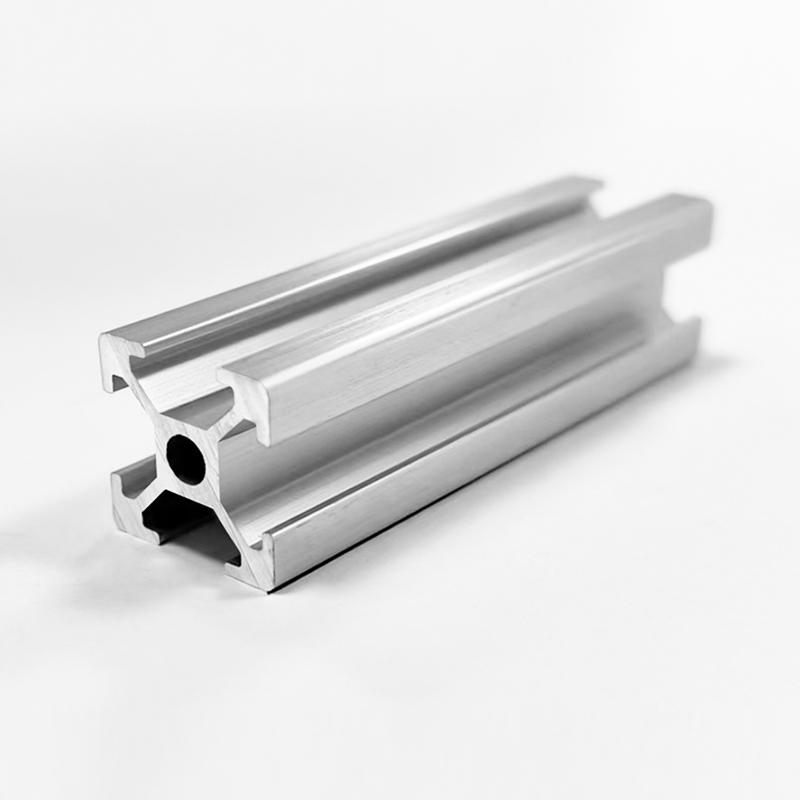
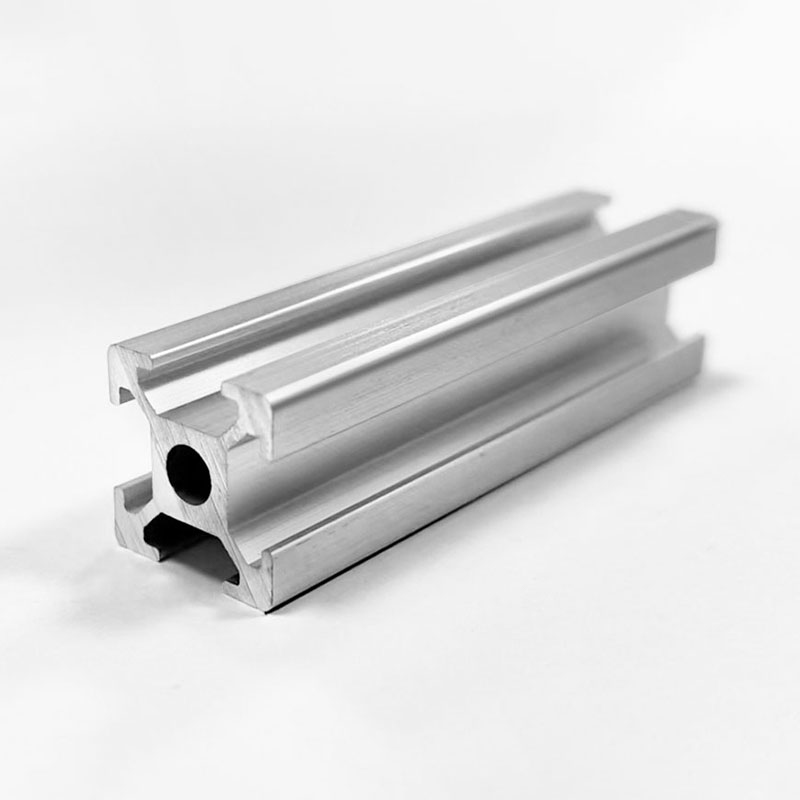
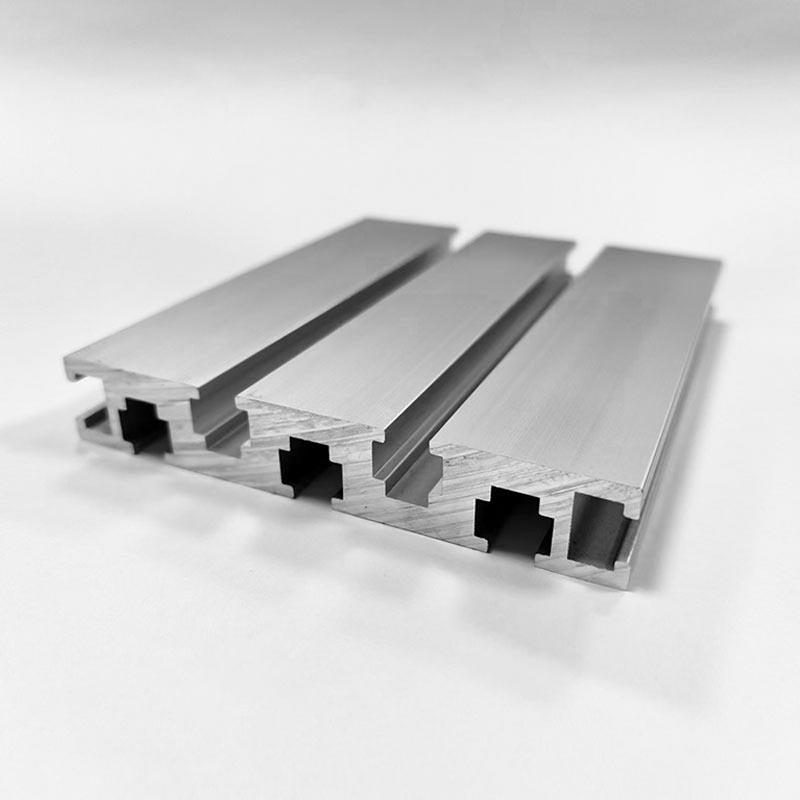
The 15 Series Aluminum Extrusion Profile is the smallest T-slot profile family in the Industrial Aluminum Extrusion Profiles range, designed for applications where space is constrained and weight must be minimized. Extruded from 6063-T5 aluminum alloy, these profiles deliver tight dimensional tolerances, a smooth surface finish, and a 6 mm slot width compatible with standard M4 or M5 fasteners. Typical uses include laboratory instrument frames, sensor mounts, small electronics enclosures, light-duty guarding, and prototype structures. For buyers evaluating this category, the key trade-off is between profile cross-section (moment of inertia) and weight – 1515 profiles offer the lightest option, while 1530, 1560G, and 1590G provide increasing stiffness for longer spans or higher loads. these selection criteria covers the five standard variants, their specification trade-offs, and a detailed RFQ checklist to support procurement decisions.
Available 15 Series Profile Variants
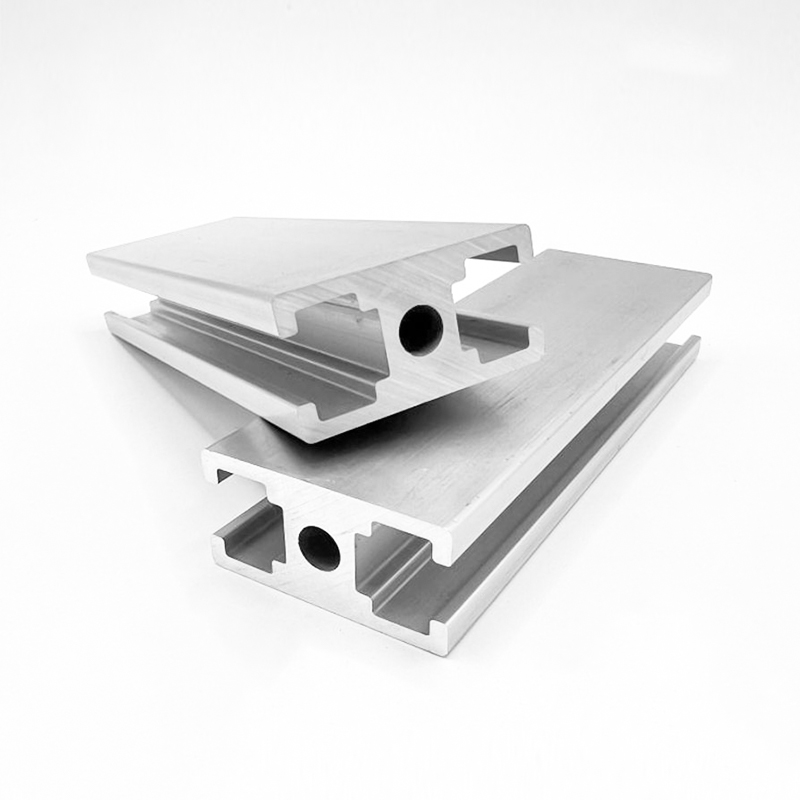
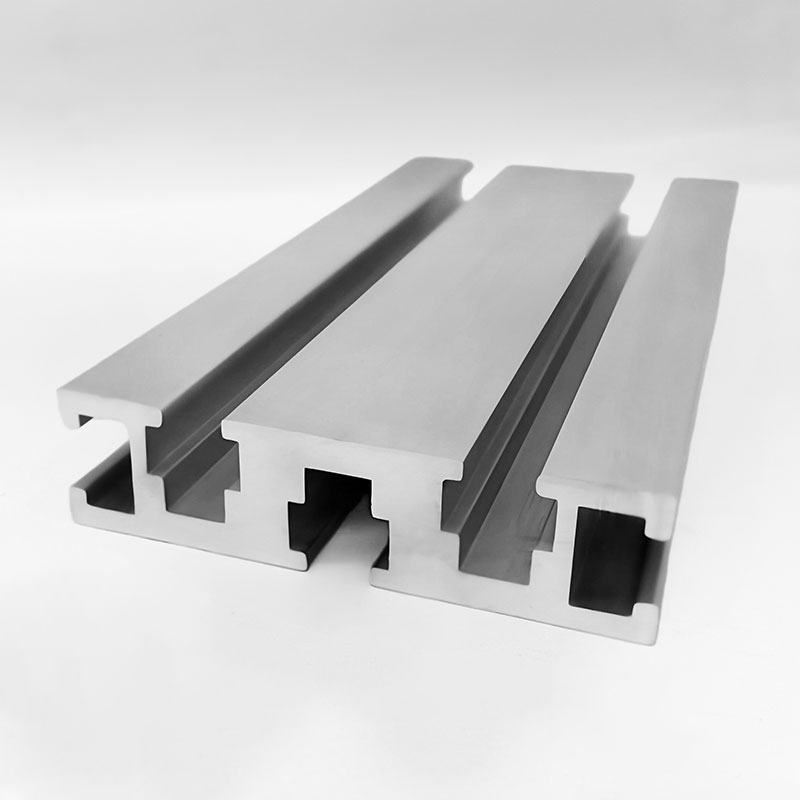
The 15 Series category includes five standard profiles, each optimized for a specific load/span requirement. All share a 6 mm slot width and are available in silver (anodized) or black anodized finish. Below is a comparison of the key geometric and mechanical properties.
| Profile |
Cross-Section (mm) |
Slot Type |
Weight (kg/m) |
Typical Application |
| 1515 |
15 × 15 |
T-slot |
~0.28 |
Lightweight frames, sensor brackets, small enclosures |
| 1515B |
15 × 15 (compact) |
T-slot |
~0.25 |
Ultra-light, space-constrained assemblies |
| 1530 |
15 × 30 |
Square slot (dual-sided) |
~0.42 |
Light guarding, small machine frames |
| 1560G |
15 × 60 |
Square slot |
~0.70 |
Long-span supports, lightweight gantries |
| 1590G |
15 × 90 |
Square slot |
~1.05 |
High-stiffness lightweight framing systems |
Note: Weights are approximate for 6063-T5 alloy. Confirm exact values with the 15 Series Aluminum Extrusion Profile manufacturer.
Specification Trade-Offs and Selection Logic
1515 vs. 1515B – Standard vs. Compact
The standard 1515 profile has a full T-slot design with a 6 mm slot width, while the 1515B is a compact variant with a slightly reduced cross-section to save weight. Use 1515B when every gram counts and the structural load is minimal (e.g., small sensor brackets). For general-purpose framing where accessory compatibility is critical, choose the standard 1515.
1530 – Dual-Sided Square Slot
The 1530 profile (15 × 30 mm) features a square slot on two sides, offering better torsional rigidity than a T-slot. It is ideal for light guarding and small machine frames where panels need to be slid into the slot. The square slot also accepts standard 6 mm square nuts.
1560G and 1590G – Increased Stiffness for Longer Spans
When the application requires longer unsupported spans (e.g., a lightweight gantry beam or a conveyor support), the 1560G (15 × 60 mm) and 1590G (15 × 90 mm) profiles provide higher moment of inertia. The 1590G is the stiffest in the 15 Series family, suitable for spans up to 1.5 m under moderate loads. Both use square slots for secure panel mounting.
Material and Surface Finish
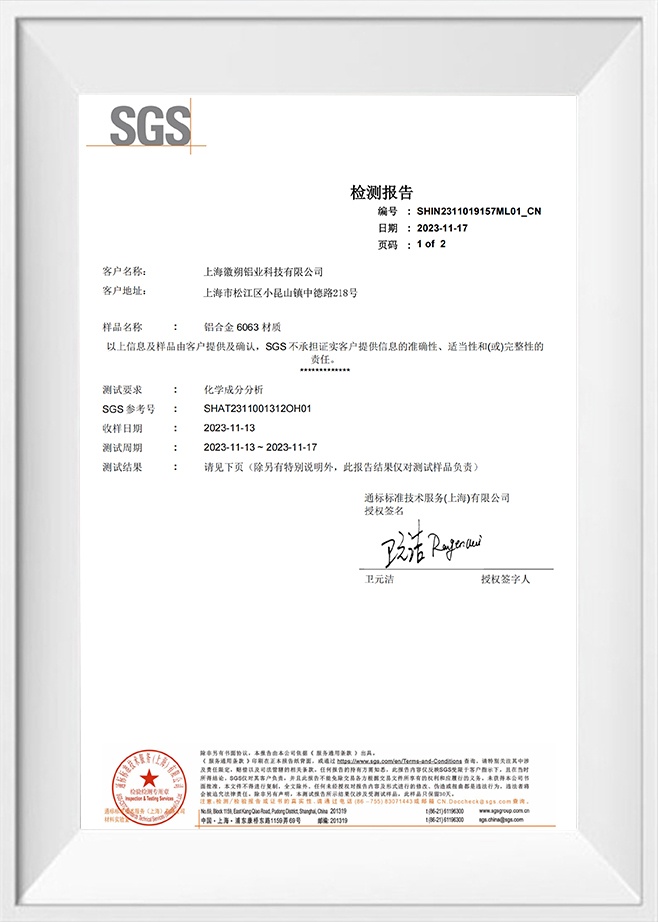
All 15 Series profiles are extruded from 6063-T5 aluminum alloy, which offers good corrosion resistance, weldability, and a smooth surface. Standard surface treatment is anodizing (silver or black), which provides a hard, wear-resistant layer. For enhanced corrosion protection in harsh environments, specify anodizing thickness ≥10 μm. Other finishes such as powder coating or electrophoresis are available on request – discuss with the supplier during RFQ.
Accessories and Assembly
The 15 Series profiles are compatible with a range of Aluminium Profile Accessories, including T-nuts, corner brackets, and joining plates. For quick assembly, use M4 or M5 T-slot nuts and bolts. For permanent joints, consider Aluminium Profile Connectors such as internal connectors or angle brackets. When designing the frame, account for the slot width (6 mm) to ensure fastener compatibility.
CNC Machining and Customization
As a 15 Series Aluminum Extrusion Profile manufacturer, Huishuo offers precision cutting, drilling, tapping, and milling services. Specify burr-free cutting for ready-to-assemble components. For complex geometries, the supplier’s CNC Aluminum Processing capabilities can achieve tolerances of ±0.1 mm on machined features. Include a detailed 2D drawing with your RFQ to ensure accurate processing.
Buyer RFQ Checklist
Use the following checklist when requesting a quotation for 15 Series aluminum extrusion profiles:
- Profile variant: Specify the exact profile (e.g., 1515, 1530, 1560G, 1590G) and required length(s).
- Quantity: Total linear meters and number of pieces per length.
- Material: Confirm alloy (6063-T5) and temper.
- Surface finish: Silver anodized, black anodized, or other (specify thickness if critical).
- Machining: List all operations (cutting, drilling, tapping, milling) with dimensions and tolerances.
- Packaging: Individually wrapped, bundled, or palletized; specify if protective film is required.
- Certification: Request material test certificates (EN 10204 3.1 or equivalent) if needed.
- Lead time: Ask for confirmed delivery date based on quantity and machining complexity.
- Sample: Request a 300 mm sample for dimensional and finish verification before bulk order.
- Accessories: Inquire about compatible T-nuts, brackets, and joining plates – confirm slot compatibility.
Quality Assurance and Acceptance Testing
When receiving profiles, verify the following acceptance criteria:
- Dimensional accuracy: Measure cross-section with a caliper; tolerance should be within ±0.2 mm for 15 Series profiles.
- Straightness: Maximum deviation 0.5 mm per meter.
- Surface quality: No scratches, dents, or anodizing defects visible to the naked eye.
- Slot width: Confirm 6 mm slot accepts standard nuts without excessive play.
- Machined features: Check hole positions and thread quality with go/no-go gauges.
Total Cost of Ownership Considerations
For lightweight framing applications, the 15 Series profiles offer a lower material cost per meter compared to larger series. However, factor in the cost of accessories (nuts, brackets) and machining. For high-volume orders, negotiate a per-meter price and confirm that the supplier can maintain consistent quality across batches. Also consider the cost of custom mold making if a non-standard cross-section is required – discuss with the Custom Mold Making team.
Frequently Asked Questions
What is the maximum span for a 1515 profile under a 10 kg load?
For a simply supported beam, a 1515 profile can safely span approximately 0.5 m under a 10 kg central load. For longer spans, use 1530 or 1560G. Always verify with a structural calculation based on your specific loading.
Can 15 Series profiles be used in corrosive environments?
Yes, with proper surface treatment. Standard anodizing provides good corrosion resistance. For marine or chemical environments, specify a thicker anodized layer (≥15 μm) or consider powder coating.
Are 15 Series profiles compatible with 20 Series accessories?
No. The 15 Series uses a 6 mm slot, while 20 Series uses 6 mm or 8 mm slots depending on the variant. Accessories are not interchangeable between series. Always order accessories specifically designed for 15 Series profiles.
What is the typical lead time for custom-cut 15 Series profiles?
For standard lengths (up to 6 m) with simple cutting, lead time is typically 5–7 working days. For profiles requiring CNC machining (drilling, tapping), allow 10–15 working days. Confirm with the supplier.
Can I get a sample before placing a bulk order?
Most suppliers offer sample lengths (e.g., 300 mm) for a nominal fee plus shipping. Request a sample to verify dimensional accuracy, surface finish, and slot compatibility before committing to a full order.
What is the difference between T-slot and square slot profiles?
T-slot profiles have a T-shaped groove that accepts T-nuts, providing strong clamping. Square slot profiles have a rectangular groove that accepts square nuts and is easier to slide panels into. Choose based on your assembly method: T-slot for bolted joints, square slot for panel mounting.

 English
 Español