Overview: Why Finishing Parts Matter in Aluminium Profile Structures
Aluminium profile finishing parts are the final components that complete a modular framing system. They serve three critical functions: sealing open T-slots and profile ends to prevent accumulation of dust, oil, and debris; protecting personnel from sharp edges; and delivering a clean, professional appearance. For procurement managers and plant engineers specifying Industrial Aluminum Extrusion Profiles, selecting the correct finishing parts is not an afterthought—it directly affects workplace safety, maintenance intervals, and regulatory compliance in clean-room or food-grade environments.
This category covers end caps, T-slot cover strips, and edge sealings designed for snap-in installation. A reliable Aluminium Profile Finishing Parts manufacturer ensures dimensional compatibility with standard 6 mm, 8 mm, and 10 mm slot widths, impact-resistant materials, and consistent color matching. Below we examine the key product types, material choices, and procurement criteria.
Product Types and Their Applications
End Caps
End caps close the open ends of extruded profiles. They prevent ingress of contaminants, reduce the risk of cuts from sharp edges, and improve aesthetics. Common materials include ABS, nylon, and polypropylene. For heavy-duty frames or outdoor use, specify UV-stabilized or impact-modified grades. End caps are typically available in square, rectangular, and custom shapes matching profile cross-sections.
T-Slot Cover Strips
Cover strips (also called slot covers or channel seals) run the length of the profile to seal the T-slot channel. They are essential in applications where hygiene or debris exclusion is critical—such as food processing lines, medical equipment, and clean-room assembly stations. Materials include flexible PVC, EPDM rubber, and silicone. Strip profiles are available with barbed or snap-fit designs for secure retention.
Edge Sealings and Trim
Edge sealings protect profile edges from impact and provide a finished look. They are often used on exposed corners of machine guards, workstations, and conveyor frames. Some designs incorporate a flexible lip to accommodate slight misalignment.
Material Selection and Performance Trade-offs
| Material |
Key Properties |
Typical Applications |
Cost Factor |
| ABS (Acrylonitrile Butadiene Styrene) |
Good impact resistance, moderate UV stability, paintable |
General industrial end caps, covers |
Low |
| Nylon (PA6/PA66) |
High strength, wear resistance, good chemical resistance |
Heavy-duty end caps, high-temperature environments |
Medium |
| Polypropylene (PP) |
Lightweight, good chemical resistance, low cost |
Cover strips, light-duty end caps |
Low |
| PVC (flexible) |
Flexible, good sealing, moderate durability |
T-slot cover strips, edge trim |
Low |
| Silicone |
High temperature resistance, FDA-grade options, excellent sealing |
Food processing, medical, high-heat zones |
High |
Critical Specifications for RFQ
When requesting quotations for aluminium profile finishing parts, include the following parameters:
- Profile series and slot width: e.g., 6 mm, 8 mm, 10 mm. Match the slot geometry (T-slot, square slot).
- Profile cross-section dimensions: Provide exact width and height (e.g., 40×40 mm, 80×80 mm).
- Material grade: Specify ABS, nylon, PVC, silicone, etc., and any required certifications (FDA, UL, RoHS).
- Color: RAL code or standard silver/black anodized match.
- Quantity and packaging: Bulk or kit packaging; labeling requirements.
- Installation method: Snap-fit, screw-on, adhesive-backed.
- Operating environment: Temperature range, chemical exposure, UV exposure.
Integration with Profile Systems
Finishing parts must be compatible with the specific Aluminium Profile Accessories ecosystem. For example, end caps designed for a 40×40 profile will not fit a 45×45 profile unless the manufacturer offers a universal range. Always request a fit-test sample before committing to large volumes. A reputable Aluminium Profile Finishing Parts supplier will provide dimensional drawings and material certifications.
Quality Assurance and Acceptance Testing
Establish acceptance criteria in your purchase order:
- Dimensional tolerance: ±0.2 mm for snap-fit features.
- Color consistency: ΔE ≤ 2.0 per CIE Lab.
- Impact resistance: No cracking after drop test from 1 m at 23°C.
- UV stability: No significant color change after 500 h QUV (if outdoor).
- RoHS/REACH compliance declaration.
Buyer RFQ Checklist
Use this checklist when sending an RFQ for aluminium profile finishing parts:
- ☐ Profile series and exact cross-section dimensions
- ☐ Slot width and type (T-slot, square slot)
- ☐ Material specification and required certifications
- ☐ Color (RAL code or standard)
- ☐ Quantity per item and total order volume
- ☐ Packaging and labeling requirements
- ☐ Target unit price and total budget
- ☐ Delivery lead time and incoterms
- ☐ Sample availability and cost
- ☐ Dimensional drawing or 3D model request
- ☐ Acceptance test criteria (dimensional, color, impact)
- ☐ Warranty and after-sales support terms
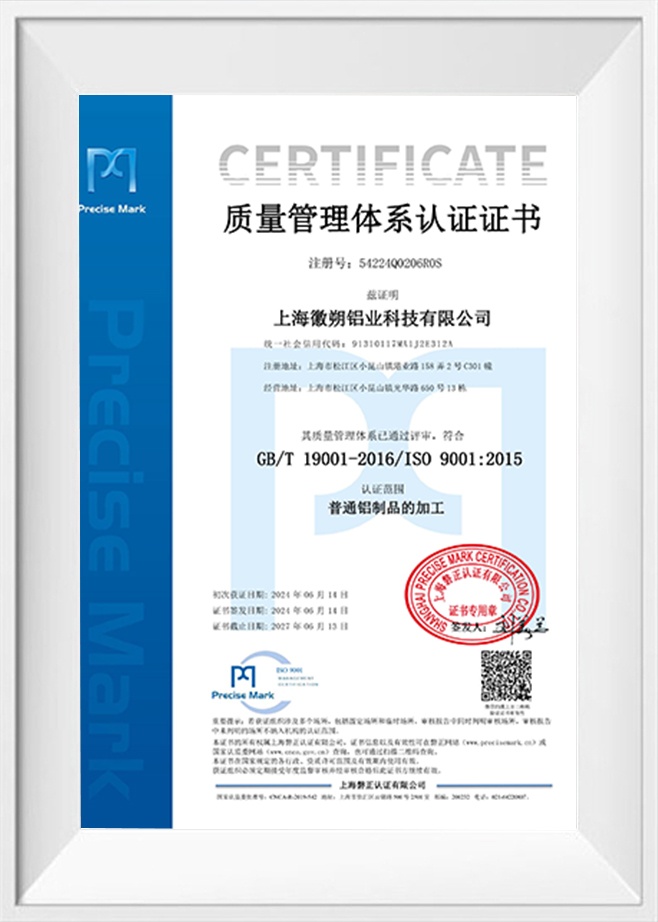
- ☐ Supplier quality certifications (ISO 9001, etc.)
Supplier Evaluation Criteria
When evaluating a finishing parts manufacturer, consider:
- Production capability: In-house injection molding or extrusion? Tooling ownership?
- Quality system: ISO 9001 certification, in-process inspection, traceability.
- Customization: Ability to produce non-standard shapes, colors, or materials.
- Lead time: Typical stock availability vs. made-to-order.
- Reference projects: Similar applications (automation, food, medical).
For a complete framing solution, consider sourcing finishing parts alongside Aluminium Profile Connectors and Aluminium Profile Fasteners to ensure system compatibility.
Total Cost of Ownership Considerations
While low-cost ABS caps may reduce upfront spend, they may require replacement sooner in UV-exposed or chemically harsh environments. Nylon or silicone parts have higher initial cost but longer service life. Factor in installation labor: snap-fit parts reduce assembly time compared to screw-on alternatives. Request lifecycle cost projections from your supplier.
Frequently Asked Questions
What materials are commonly used for aluminium profile end caps?
Common materials include ABS (general industrial), nylon/PA6 (high strength), polypropylene (lightweight), and silicone (high temperature/FDA). Selection depends on impact resistance, chemical exposure, and temperature range.
How do I ensure finishing parts fit my profile?
Provide the exact profile series (e.g., 40×40, 80×80) and slot width (6 mm, 8 mm, 10 mm) to the supplier. Request a sample or dimensional drawing for verification before bulk order.
Are T-slot cover strips available in FDA-grade materials?
Yes, silicone and certain PVC compounds can be supplied with FDA or EU food-contact compliance. Specify the required standard in your RFQ.
Can finishing parts be customized with a company logo or specific color?
Many manufacturers offer custom color matching (RAL) and pad printing or embossing for logos. Minimum order quantities may apply.
What is the typical lead time for custom finishing parts?
Standard stock items ship within 1–2 weeks. Custom colors or materials may require 3–5 weeks depending on tooling and production schedule.
How should finishing parts be stored before installation?
Store in a cool, dry environment away from direct sunlight to prevent UV degradation and warping. Keep in original packaging until ready to install.

 English
 Español