Aluminum Profile Assembly Parts: What Procurement Managers Need to Know
Aluminum profile assembly parts are the hardware components that complete a structural frame—heavy-duty casters, leveling feet, ergonomic handles, and other accessories that enable mobility, stability, and ergonomic function. For buyers sourcing from an Aluminum Profile Assembly Parts manufacturer, the challenge is matching load ratings, environmental resistance, and dimensional compatibility to the specific extrusion series and frame design. This resource covers specification trade-offs, selection logic, and RFQ requirements to help you evaluate suppliers and avoid costly mismatches.
Key Assembly Part Categories and When to Shortlist Each
While the category page lists assembly parts as a single group, three main sub-types dominate procurement requests:
- Heavy-Duty Industrial Casters – For mobile workstations, trolleys, and equipment stands. Shortlist when the frame must be moved frequently. Critical specs: load capacity per caster (dynamic vs. static), wheel material (polyurethane, nylon, rubber), brake type, and mounting plate dimensions matching the profile slot.
- Leveling Feet – For stationary frames on uneven floors or vibration-sensitive setups. Shortlist when the frame must remain fixed and level. Key parameters: thread size (M8, M10, M12, etc.), base diameter, swivel or fixed design, and material (stainless steel or zinc-plated carbon steel).
- Handles and Grips – For push/pull operation of mobile frames. Shortlist when ergonomic access is needed. Consider grip material, mounting bracket compatibility with T-slot profiles, and load capacity if used for lifting.
For a complete range of compatible extrusions, review the Industrial Aluminum Extrusion Profiles available from the same supplier.
Critical Specifications for Assembly Parts
When evaluating assembly parts, focus on these engineering parameters:
- Load Capacity – Always specify static and dynamic loads. For casters, dynamic load is typically 70-80% of static. Overloading causes premature failure.
- Material Compatibility – For corrosive environments (food processing, chemical plants), choose stainless steel or zinc-plated hardware. For cleanrooms, use non-marking polyurethane wheels.
- Mounting Interface – Ensure the mounting plate or threaded stud matches the T-slot dimensions of your extrusion series (e.g., 6mm, 8mm, 10mm slot width).
- Temperature Range – Standard parts handle -20°C to 80°C. High-temperature variants (up to 250°C) are available for oven or kiln applications.
Specification Comparison Table
| Parameter |
Casters |
Leveling Feet |
Handles |
| Load Range |
50–2000 kg per caster |
100–5000 kg per foot |
Up to 100 kg (pull) |
| Material Options |
Nylon, polyurethane, rubber, cast iron |
Zinc-plated steel, stainless steel |
Aluminum, steel, plastic grips |
| Mounting Type |
Plate mount, stem mount, bolt-in |
Threaded stud, bolt-on |
T-slot nut, bracket, screw |
| Environmental Resistance |
Standard, washdown, corrosion-resistant |
Standard, stainless for wet areas |
Standard, anti-static options |
Process Fit and Line Integration
Assembly parts are typically the final components installed on a frame. Integration steps include:
- Slot Preparation – Clean the T-slot of debris. Use T-nuts or slide-in fasteners compatible with the profile series (e.g., 15, 20, 30, 40 series).
- Torque Specifications – Over-tightening can strip threads or deform the slot. Request recommended torque values from the manufacturer.
- Alignment – For leveling feet, ensure all feet are adjusted to the same height using a laser level or feeler gauge.
- Testing – After assembly, perform a load test at 110% of rated capacity to verify stability.
Buyer RFQ Checklist
Use this checklist when requesting quotes from an Aluminum Profile Assembly Parts supplier:
- ☐ Specify extrusion series and slot width (e.g., 40 series, 10mm slot).
- ☐ Provide load requirements: static and dynamic per part.
- ☐ Define environment: indoor/outdoor, temperature range, chemical exposure.
- ☐ Request material certifications (e.g., stainless steel grade 304 or 316).
- ☐ Ask for dimensional drawings with mounting hole patterns.
- ☐ Confirm thread size and pitch for leveling feet.
- ☐ Inquire about brake type for casters (total lock, directional lock, or no brake).
- ☐ Request sample parts for fit validation before bulk order.
- ☐ Ask about packaging: individual wrapping, bulk cartons, or custom kitting.
- ☐ Confirm lead time and minimum order quantity (MOQ).
- ☐ Request warranty terms and spare parts availability.
Supplier Evaluation Criteria
When evaluating manufacturers, consider:
- Production Capability – Does the supplier have in-house CNC machining and surface treatment? The Factory Tour shows extrusion lines, CNC centers, and assembly workshops.
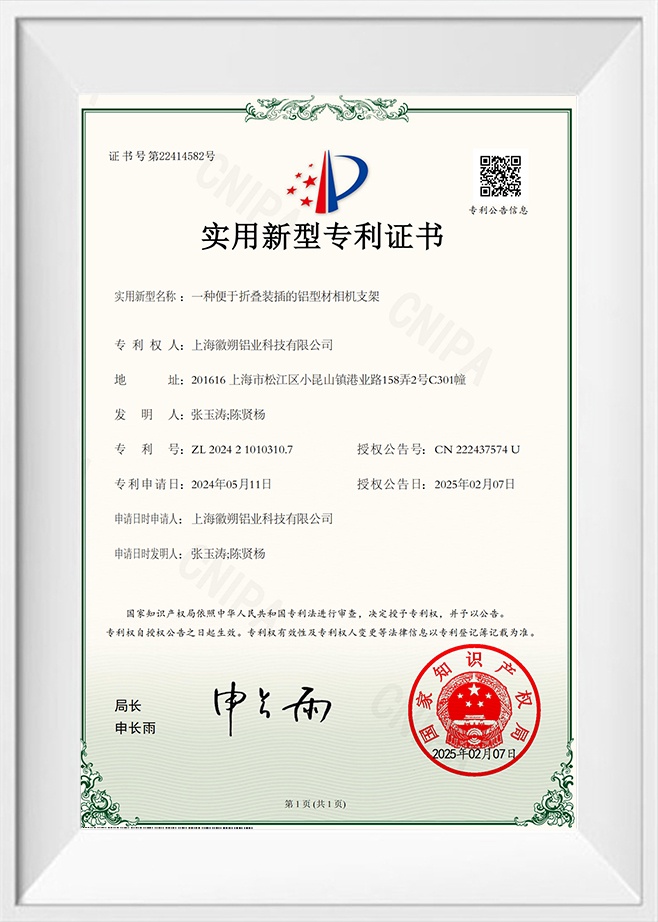
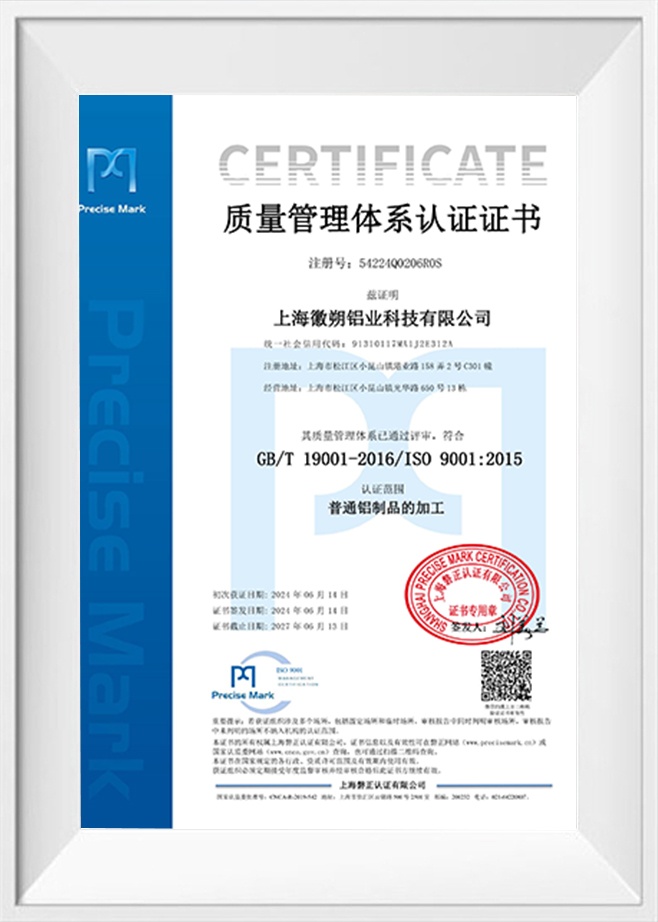
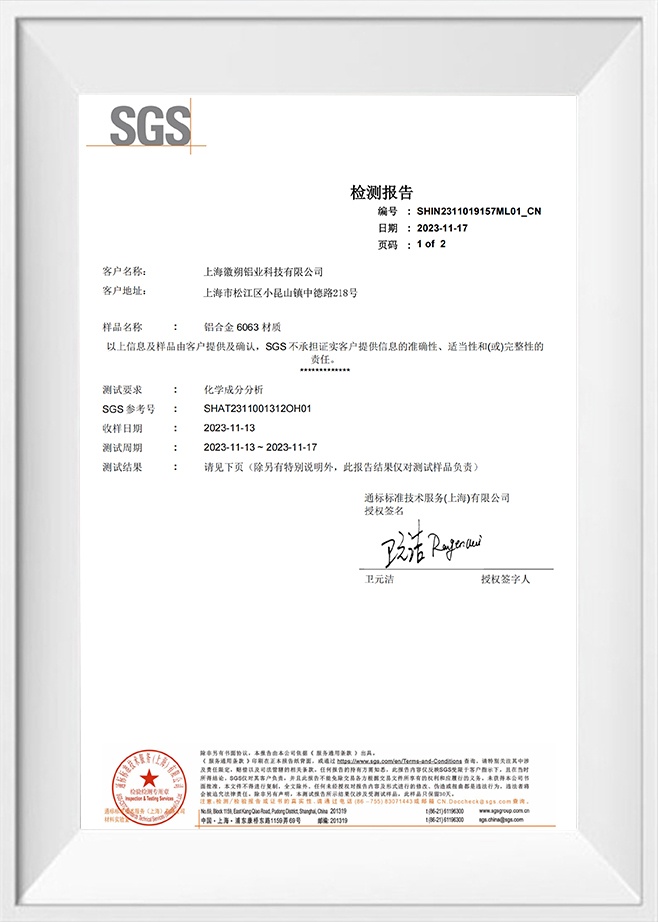
- Quality Certifications – Look for ISO 9001 and product-specific test reports. The Certificate page lists utility model patents and quality management system certification.
- Customization – Can they modify standard parts (e.g., special thread lengths, custom colors)? The Custom page details one-stop services from mold making to surface treatment.
- After-Sales Support – Confirm warranty period and return policy for defective parts.
Frequently Asked Questions
Q: How do I determine the correct load capacity for casters on a mobile frame?
A: Calculate total frame weight plus maximum payload, then divide by the number of casters. Apply a safety factor of 1.5 for dynamic loads. For example, a 1000 kg frame on 4 casters requires each caster to support at least 375 kg static (1000/4 × 1.5).
Q: Can assembly parts be used with any aluminum extrusion series?
A: Most parts are designed for standard T-slots (6mm, 8mm, 10mm). Verify the slot width and profile series (e.g., 15, 20, 30, 40) before ordering. The supplier can provide compatibility charts.
Q: What surface treatments are available for leveling feet?
A: Common options include zinc plating (standard), stainless steel (corrosion-resistant), and black oxide. For food-grade environments, electropolished stainless steel is recommended.
Q: What is the typical lead time for custom assembly parts?
A: Standard parts are often in stock and ship within 1-2 weeks. Custom parts (e.g., special thread lengths or colors) may require 3-4 weeks depending on complexity and order volume.
Q: How should I test assembly parts before full production?
A: Request samples for fit and function testing. Install on a representative frame section, apply rated load, and check for deflection, stability, and ease of movement. Document torque values and any adjustments needed.
Q: Does the supplier offer kitting services for assembly parts?
A: Many manufacturers provide custom kitting—packaging all required parts (casters, feet, handles, fasteners) together per frame. Inquire about kitting options to simplify on-site assembly.

 English
 Español