
 English
 Español
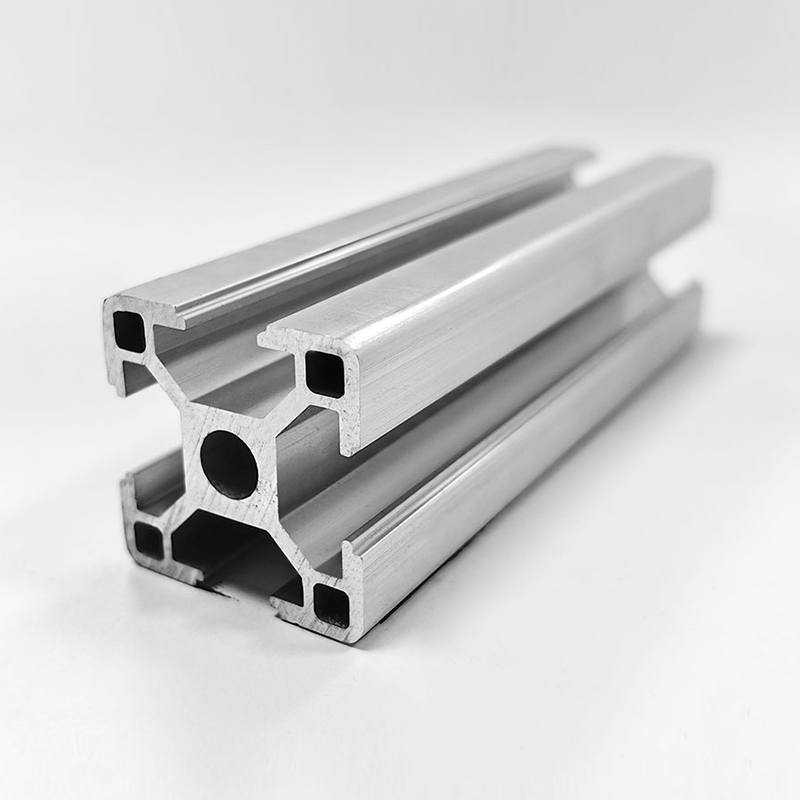

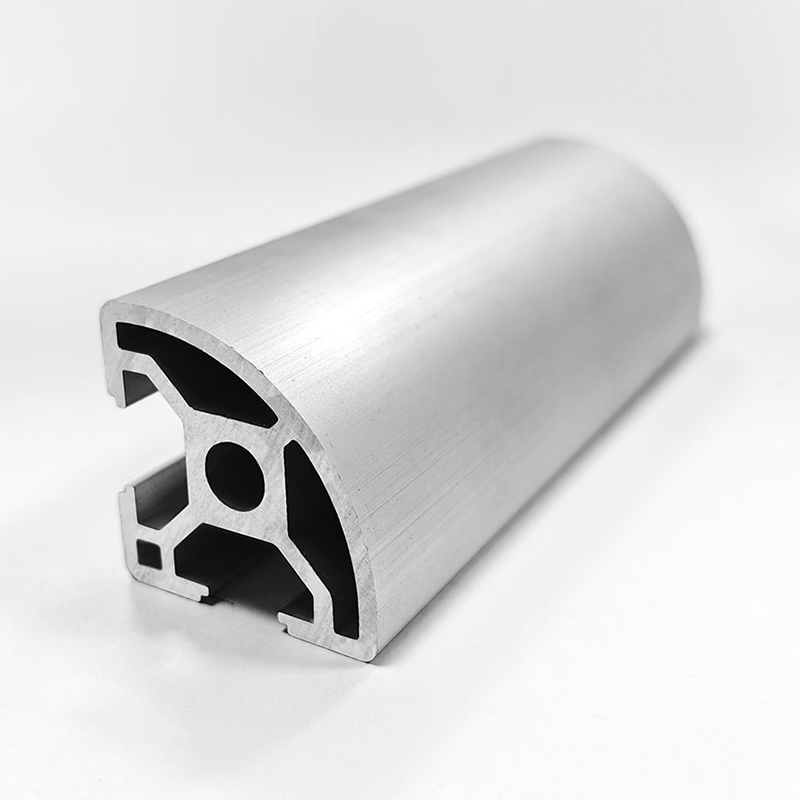
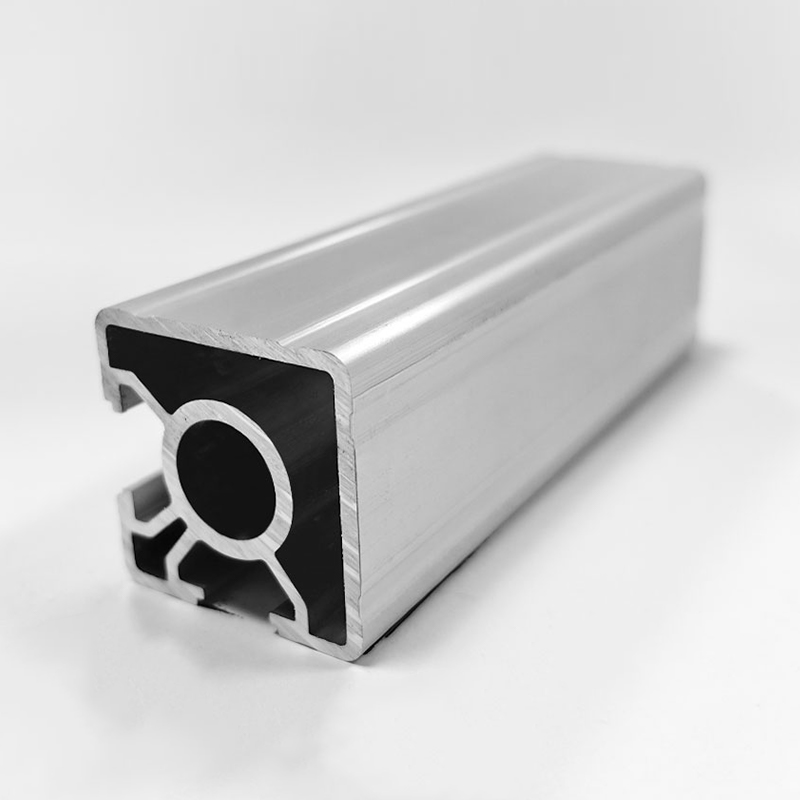
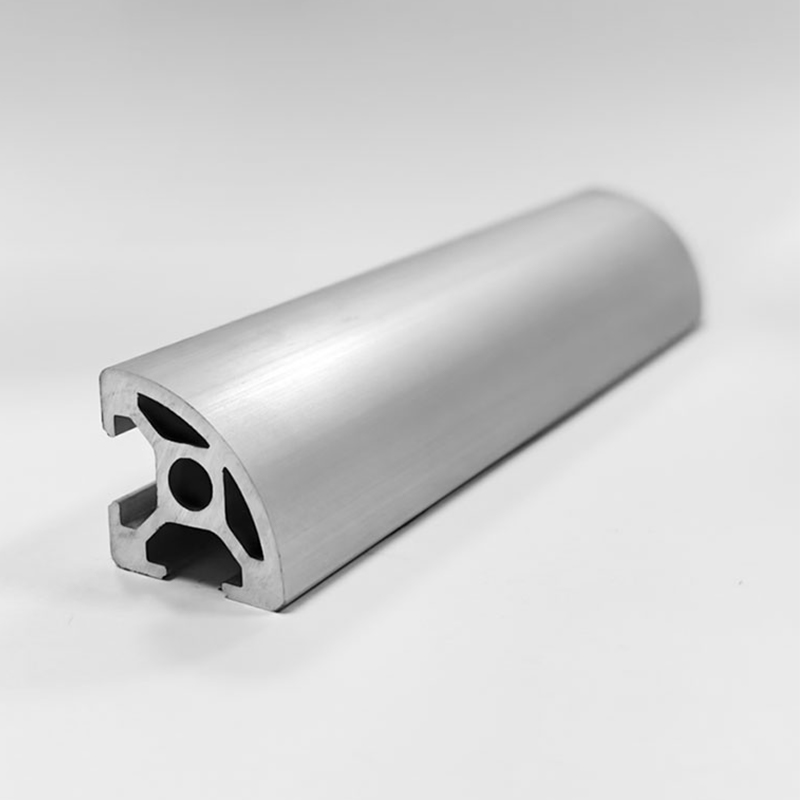
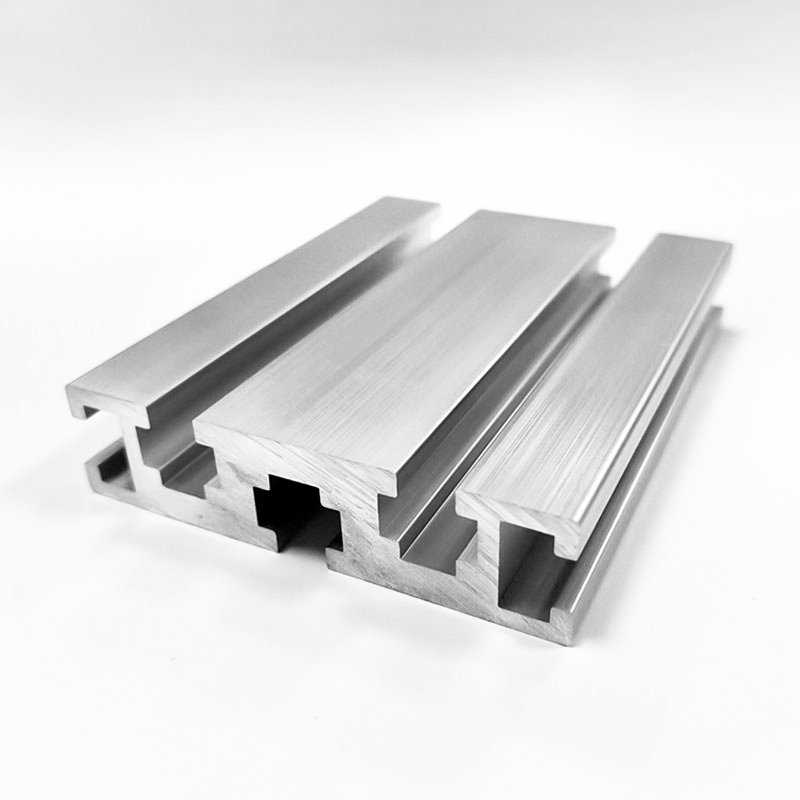
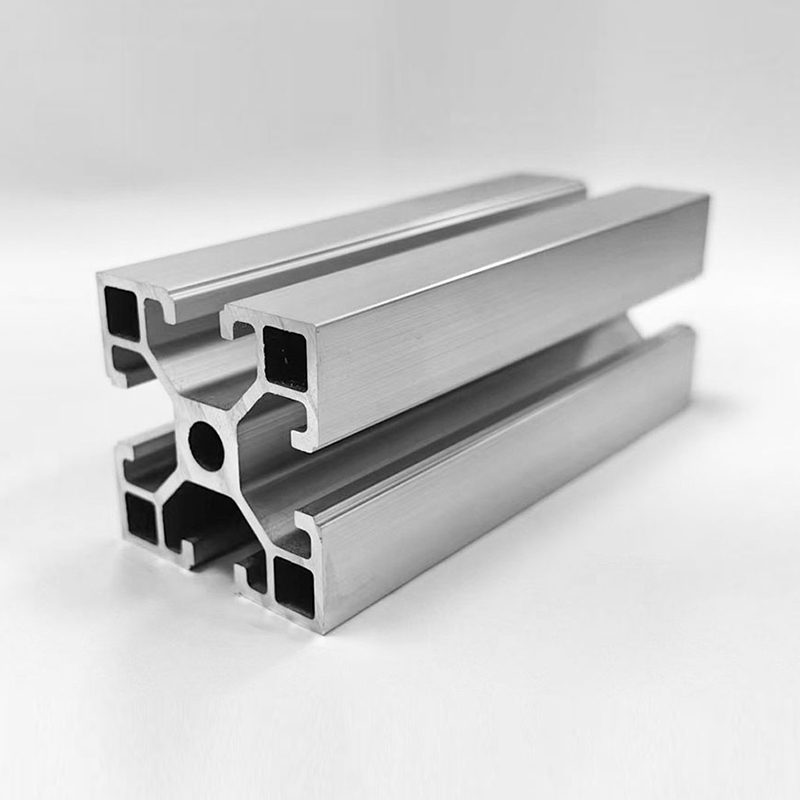
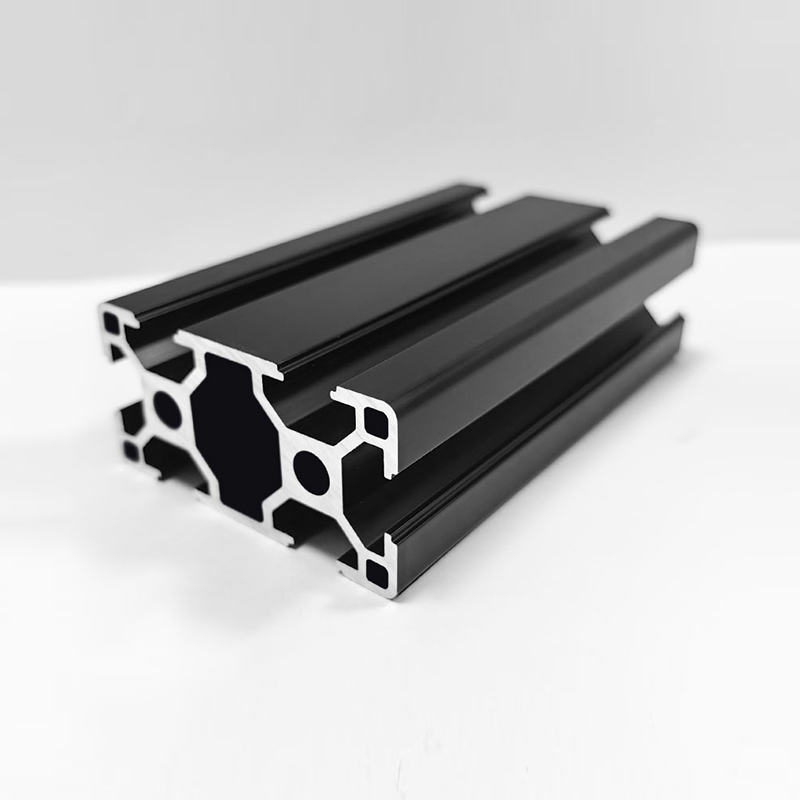
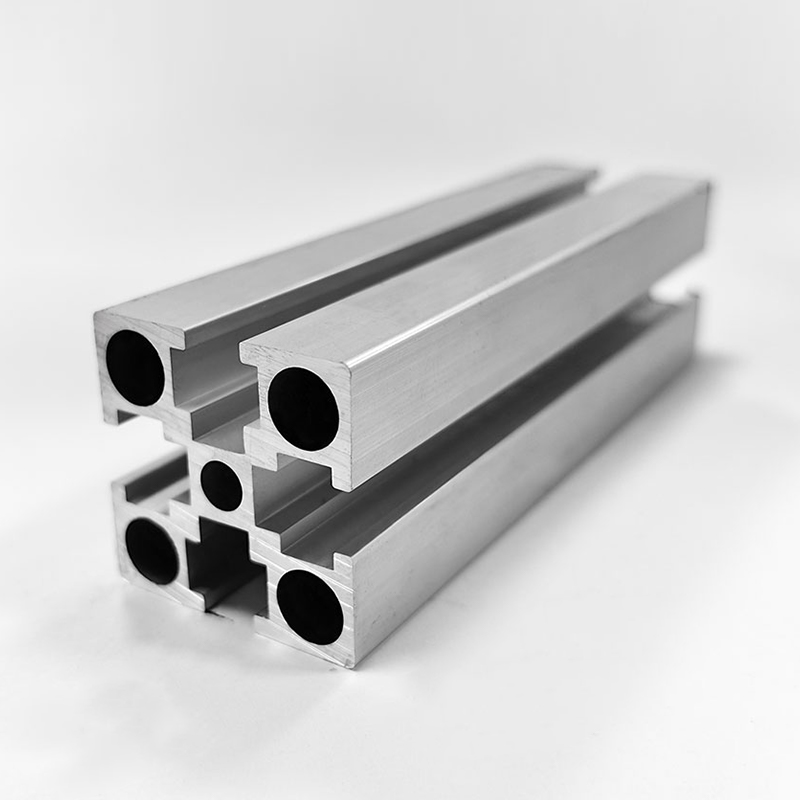
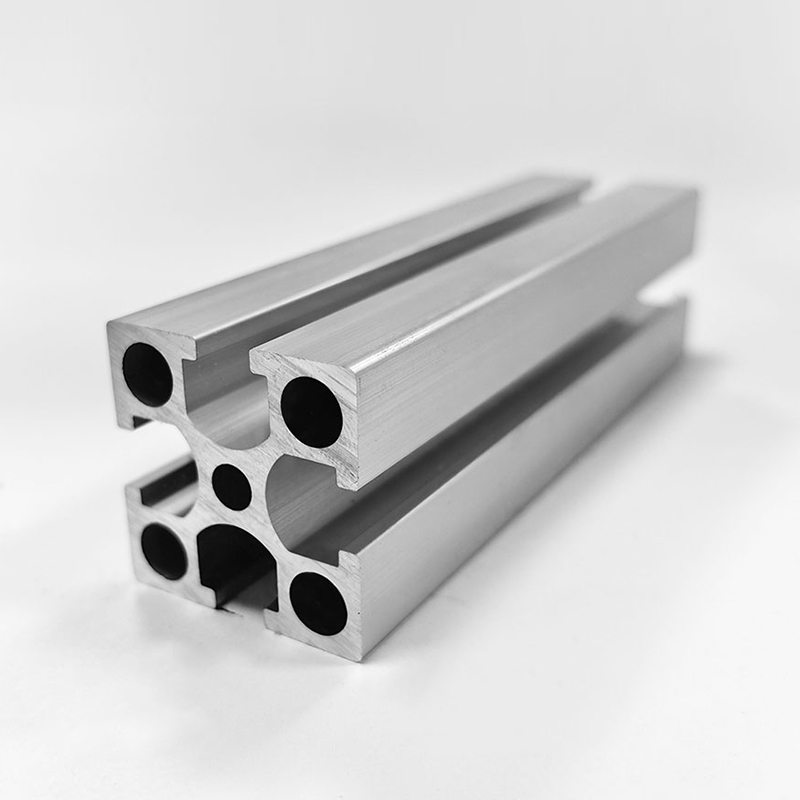
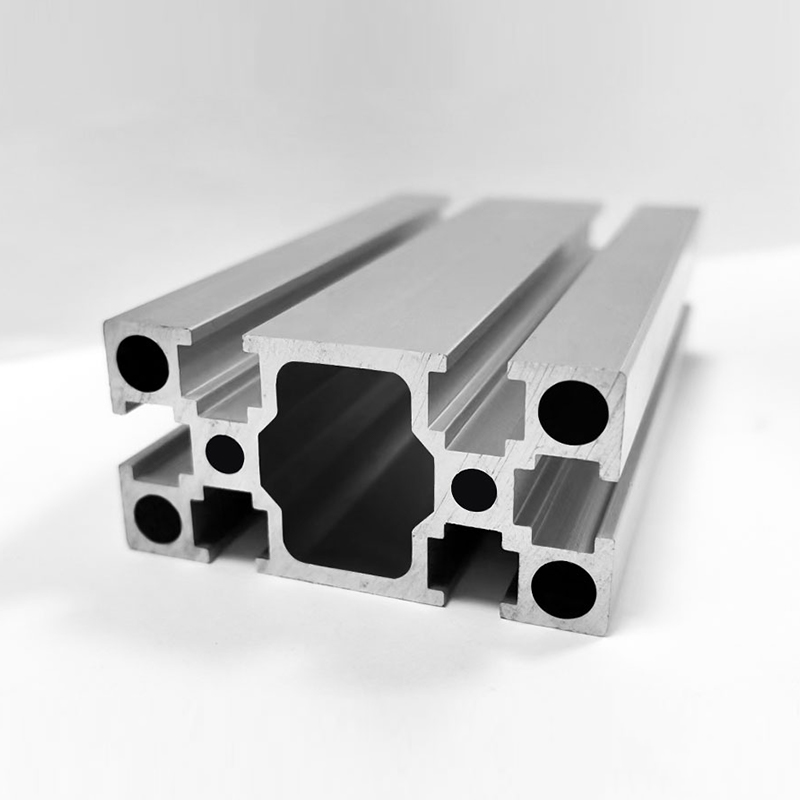
Black Anodized Aluminum Profile
The Black Anodized Aluminum Profile is manufactured by Shanghai Huishuo Aluminum Industry Technology Co., Ltd, a China based industrial aluminum profile manufacturer operating three production bases in Shanghai, Anhui and Jiangsu covering approximately 30000 square meters. The profile is produced through a black anodizing process that forms a dark oxide layer on the aluminum surface, applied across custom cross sections developed for automation, lighting, enclosure and structural frame applications. Production combines extrusion, custom mold making, CNC machining, anodizing and assembly within a single supply chain for orders that require a controlled black surface finish.
Core Advantages
Black anodizing applies an electrolytic oxide layer combined with a black dye stage, producing a uniform dark surface across the extruded profile length.
Controlled Surface Uniformity
Anodizing and dyeing parameters are set for each production batch, supporting a consistent black tone across profiles used in the same assembly.
Custom Cross Section Tooling
Mold making is developed in house for special profile shapes, allowing black anodized profiles to be produced from customer specific drawings.
Integrated CNC Processing
Drilling, cutting, milling and tapping are completed within the same production chain, reducing the number of handling steps between processes.
Multi Site Production Capacity
Three production bases in Shanghai, Anhui and Jiangsu support order volume across regional and export orders.
Black Anodized Finish Compared With Standard Mill Finish
The comparison below outlines differences between a black anodized surface and an untreated standard mill finish profile.
Black Anodized Finish
- Oxide layer thickness between 8 and 20 micrometers
- Increased surface hardness compared to untreated aluminum
- Consistent dark surface tone across the profile length
- Surface resists fingerprints and light surface abrasion
Standard Mill Finish
- No oxide layer applied to the surface
- Natural aluminum color with an unprotected surface
- Lower processing cost per profile length
- Surface exposed to oxidation without a treatment layer
Product Specifications
| Specification | Detail |
| Base Alloy Grades | 6061, 6063, 6005 |
| Surface Treatment | Black anodizing, type II anodic coating |
| Anodic Film Thickness | 8 to 20 micrometers |
| Length Tolerance | Plus or minus 0.3 millimeters per meter |
| Straightness Tolerance | 0.5 millimeters per meter |
| Custom Processing | CNC drilling, cutting, milling and tapping |
| Profile Types | T slot frame profiles, heat sink profiles, enclosure sections, structural brackets |
Application Scenarios
- Camera and Optical Equipment Housings A black anodized surface reduces internal light reflection inside optical and camera equipment enclosures.
- Industrial Control Panels Frame and panel structures use a black surface for visual consistency across control cabinet assemblies.
- LED Lighting Fixtures Heat sink profiles with a black anodized surface are used in fixture housings where surface color and thermal performance are both specified.
- Audio Equipment Frames Structural and enclosure profiles use a black anodized finish for equipment chassis and mounting frames.
Considerations Before Ordering
Black anodized aluminum profile requires the anodic film thickness and dye consistency to be specified before production, since the depth of the black tone is affected by the anodizing time, dye concentration and sealing stage applied after coloring. Batches processed at different times may show minor tone variation, so profiles used together in a single visible assembly should be produced within the same production run.
Frequently Asked Questions
What gives the profile its black surface color
The black color is produced through an anodizing process combined with a dyeing stage, which deposits color into the porous oxide layer formed during anodizing before the surface is sealed.
Does black anodizing change the mechanical strength of the profile
The anodizing process affects the surface layer of the aluminum and does not change the base mechanical strength of the alloy used for the profile core.
Can custom cross sections be produced with a black anodized finish
Custom mold making supports special cross sections, which can then be processed through the same black anodizing line used for standard profile shapes.
How is color consistency maintained across production batches
Anodizing time, dye concentration and sealing parameters are controlled during each batch, and profiles required for a single visible assembly are recommended to be ordered from the same production run.
