
 English
 Español
hsau hsau hsau hsau hsau
hsau hsau hsau hsau

Choosing the right stock aluminum extrusion profiles comes down to matching profile geometry, alloy, and finish to the real mechanical and environmental demands of your project. Engineers, fabricators, and procurement teams rely on these pre-designed sections to skip custom die development, cut lead times, and still get consistent structural performance across every batch.
Content
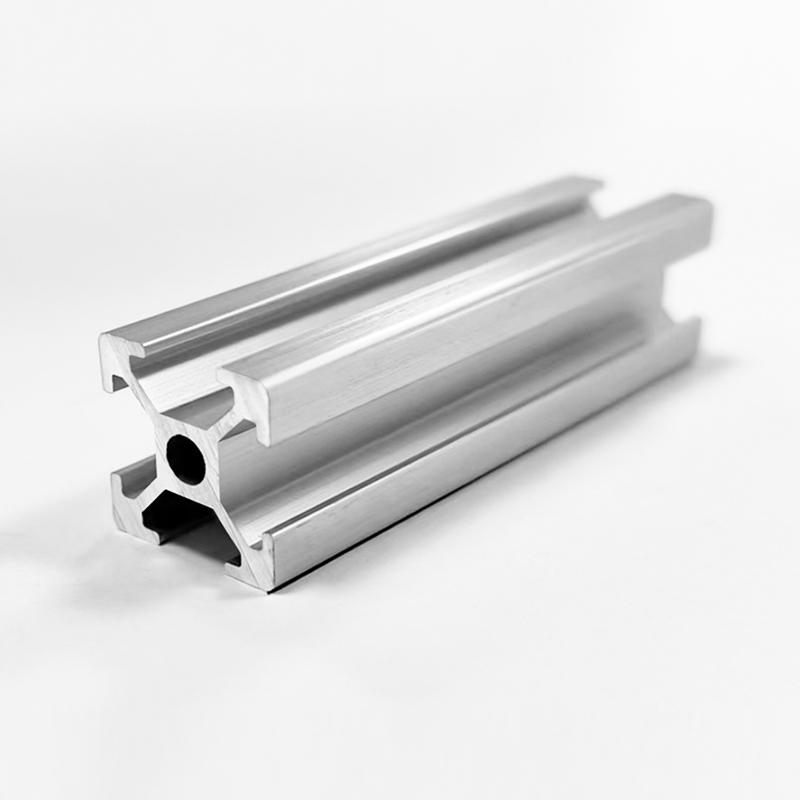
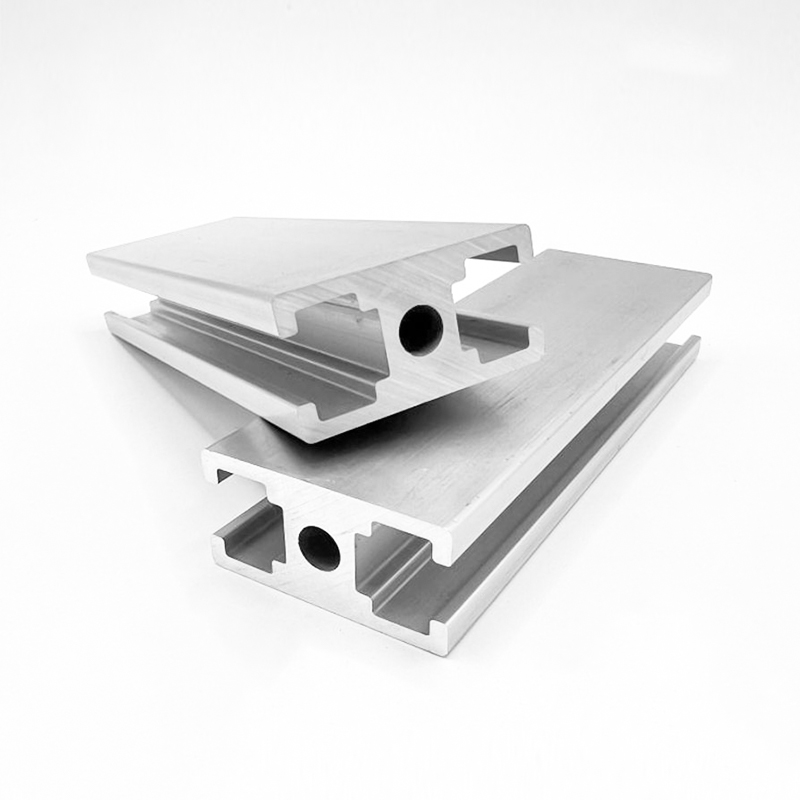
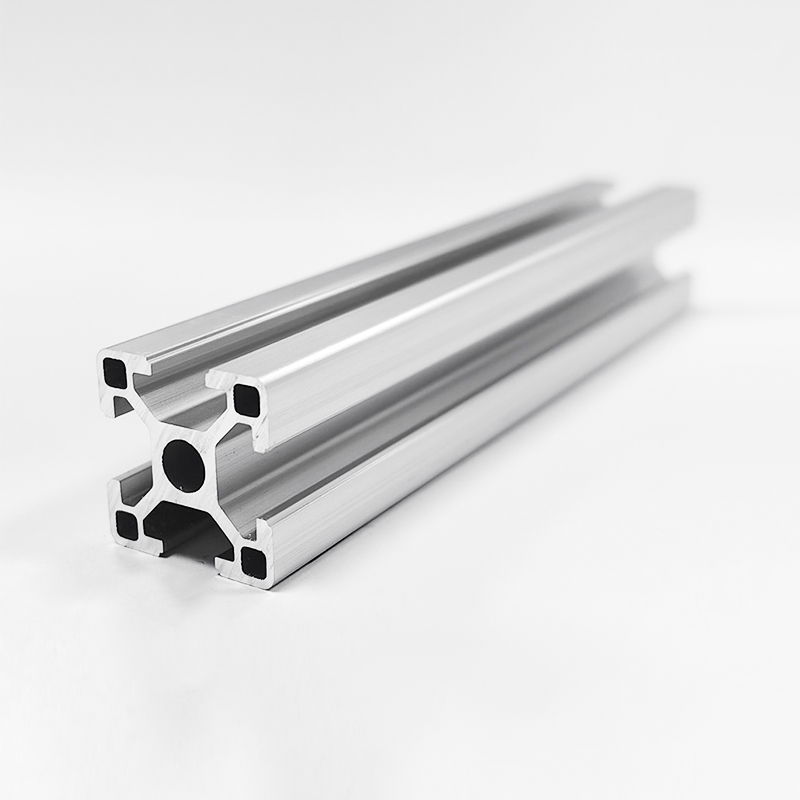
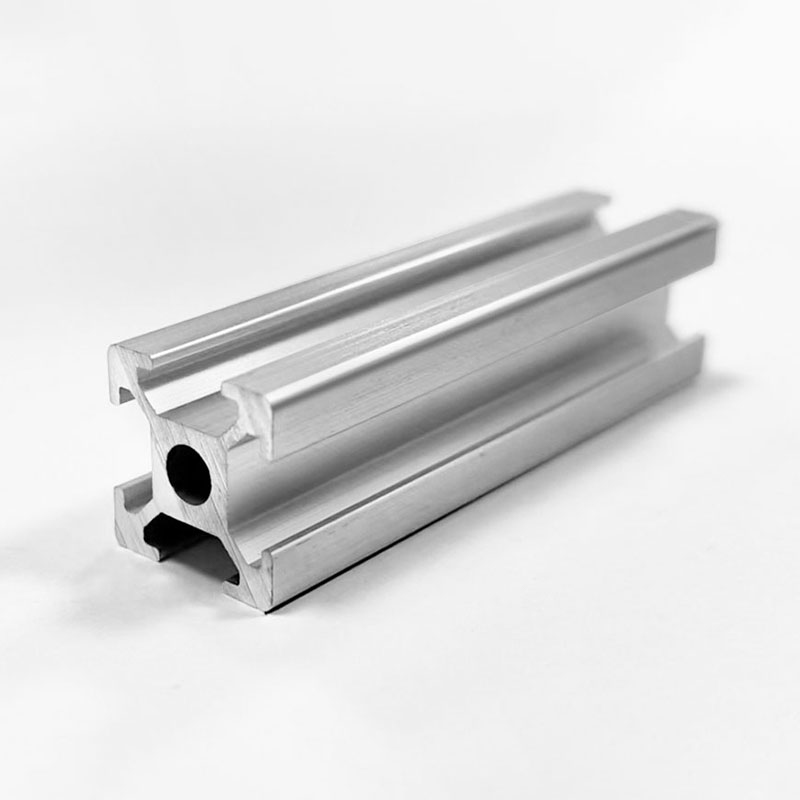
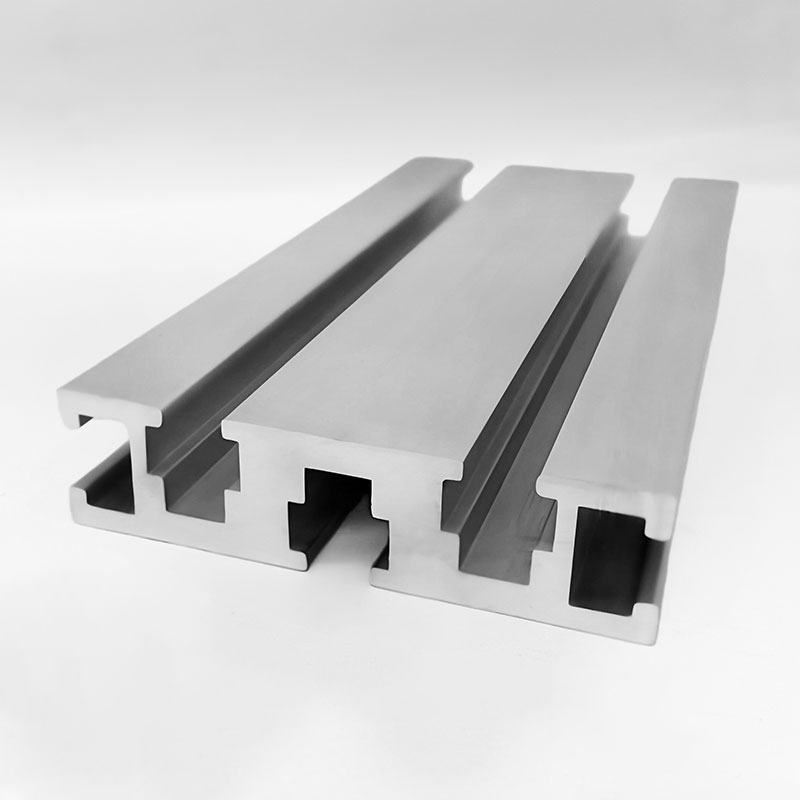
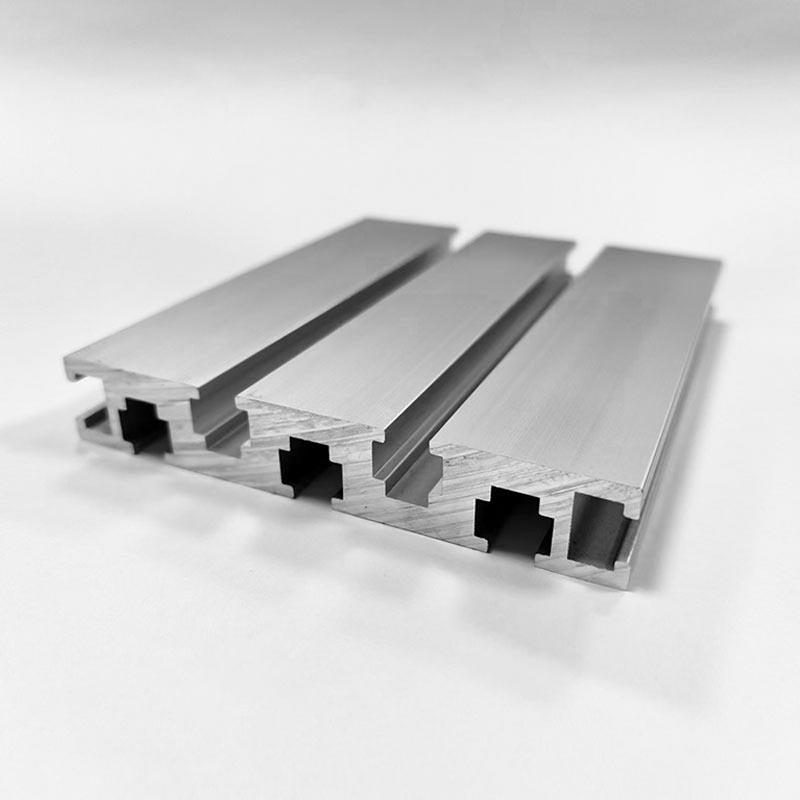
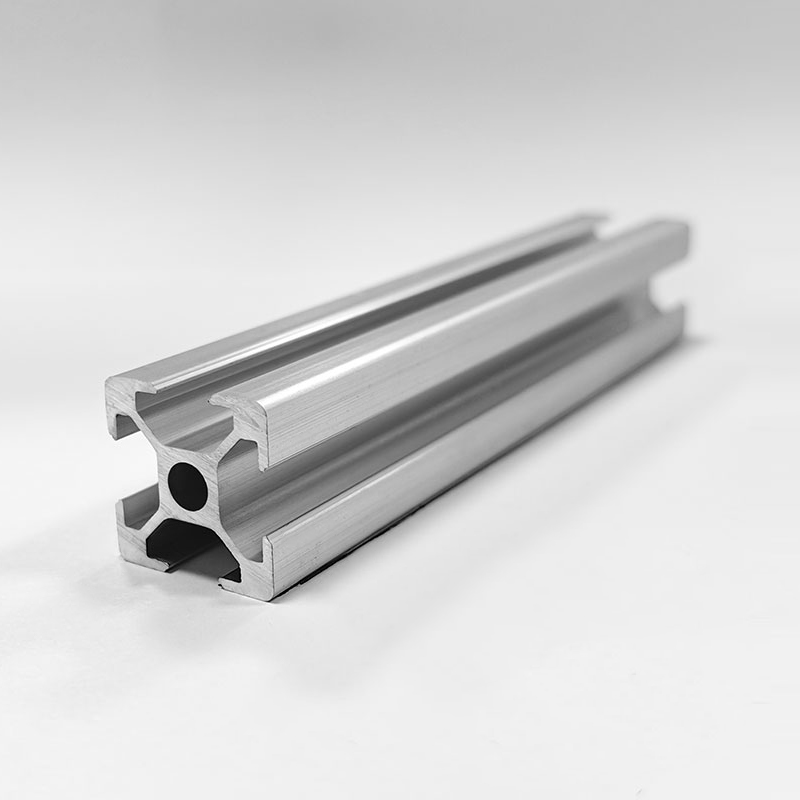
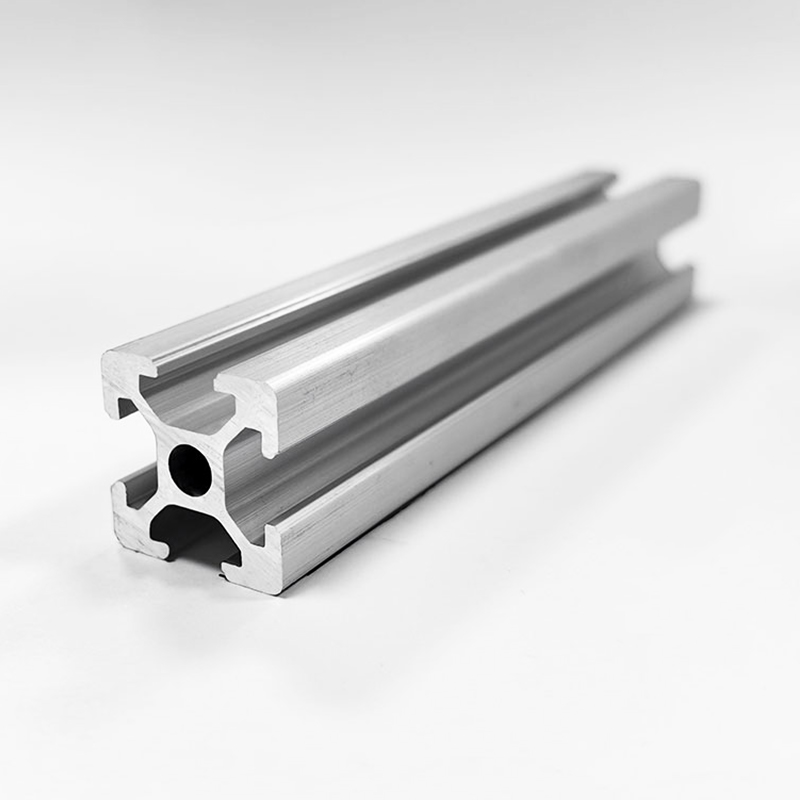
Stock aluminum extrusion profiles are pre-designed, commercially available aluminum sections manufactured to standard cross-sectional shapes, including channels, angles, T-sections, U-sections, square tubes, rectangular tubes, and structural bars. Unlike fully custom extrusions that require a new die, stock profiles are ready for immediate cutting, machining, and assembly.
In practical terms, a stock profile is a repeatable building block: the same cross-section, tolerance, and alloy specification ship consistently from order to order, which makes it the default choice whenever a project does not need a proprietary shape.
Profile geometry determines the job a section can do, so different industries lean on different shapes for structural, thermal, and protective roles.
Machine frames, workstations, conveyor supports, safety guards, curtain wall components, and modular construction framing all depend on stock channels, angles, and structural bars for rigidity without excess weight.
Electronics enclosures, heat sinks, solar panel frames, mounting rails, and automotive brackets use profile geometry for thermal dissipation, weight reduction, and precise mechanical fit.
| Feature | Stock Aluminum Extrusion Profiles | Steel or Custom Extrusion |
| Weight | Lightweight, easier to handle and assemble | Heavier, higher handling and shipping cost |
| Corrosion Resistance | Excellent, improves further with anodizing | Often needs added coating or painting |
| Lead Time | Available from stock, no die development | Custom dies can add weeks to a project |
| Maintenance | Low, especially with surface treatment | Higher due to ongoing corrosion protection |
Decide whether the profile needs to carry structural load, dissipate heat, form an enclosure, or serve a mounting function, and note indoor versus outdoor exposure.
Compare strength, stiffness, thermal conductivity, and expected service life against the total cost of ownership, not just unit price.
Check alloy, temper, wall thickness, weight per meter, tolerance class, and surface finish, and request material certificates for critical applications.
Review stock availability, cutting and machining services, minimum order quantities, lead times, and quality documentation before committing to an order.
Material selection should always follow application requirements rather than price alone. A profile that is cheaper per meter but under-specified for load or environment costs far more in rework and downtime.
6061 and 6063 are the most widely stocked structural alloys, chosen for their balance of strength, corrosion resistance, and machinability across general industrial use.
Yes. Stock profiles can be cut, drilled, CNC machined, welded, anodized, or powder coated to meet project-specific dimensions and finish requirements without a new die.
Stock profiles avoid die development costs and typically ship faster, making them more cost-effective for standard shapes, while custom extrusion suits proprietary geometries at higher volume.
Yes. Their natural oxide layer resists corrosion in humid and outdoor environments, and anodizing or powder coating extends surface durability further for long-term exposure.

Phone
+86-021-5788 5585
+86-133 8191 2789
Address
No. 218, Zhongde Road, Xiaokunshan Town, Songjiang District, Shanghai, China
Media
