Overview: Aluminium Profile Connectors for Structural Joints
Aluminium profile connectors are the critical joining components that transform individual Industrial Aluminum Extrusion Profiles into rigid, load-bearing frames, workstations, conveyors, and machine enclosures. Unlike welded steel structures, these connectors enable rapid assembly, reconfiguration, and maintenance without specialized labor. For procurement managers and plant engineers, selecting the correct connector type—corner bracket, internal joint, or gusset—directly affects frame rigidity, alignment accuracy, and total installed cost.
This category covers connectors designed for T-slot profiles commonly used in automation, material handling, and industrial guarding. As a professional Aluminium Profile Connectors manufacturer, Shanghai Huishuo Aluminum Industry Technology Co., Ltd. offers a range of precision-machined connectors engineered for zero-deflection fit and high-strength, maintenance-free joints.
Types of Aluminium Profile Connectors
Each connector type serves a specific structural role. The table below compares the primary categories and their typical applications.
| Connector Type |
Typical Use |
Load Capacity |
Key Specification |
| Corner Bracket |
Right-angle joints for frames, machine bases, and enclosures |
Medium to high |
Material thickness, bolt size, slot compatibility |
| Internal Joint (T-nut & bolt) |
In-line or concealed connections for clean aesthetics |
Medium |
Thread size, grip range, slot width |
| Gusset / Angle Bracket |
Reinforcing corners under high dynamic loads |
High |
Rib thickness, number of bolt holes |
| Profile-to-Profile Connector |
Joining two profiles end-to-end or at an angle |
Low to medium |
Alignment key, bolt pattern |
Corner Brackets
Corner brackets are the most common connector for 90° joints. They are available in cast or machined aluminium, with thicknesses ranging from 4 mm to 10 mm. For heavy-duty frames, specify brackets with reinforcing ribs and multiple bolt holes. Match the bracket slot width to the profile slot (e.g., 6 mm, 8 mm, 10 mm).
Internal Joints (T-Nuts and Bolts)
Internal joints slide into the profile slot and provide a concealed connection. They are ideal for applications where surface finish matters, such as cleanroom frames or display stands. The T-nut must match the slot geometry precisely to prevent pull-out under load. Specify the thread size (M6, M8, M10) and grip length based on profile wall thickness.
Gussets and Angle Brackets
For frames subject to vibration or cantilever loads, gussets add stiffness at the joint. They are typically thicker (8–12 mm) and have a larger footprint. Verify that the gusset bolt pattern aligns with the profile slot pitch. Some gussets include a central cutout for cable routing.
Critical Specifications for Procurement
- Material: 6061-T6 or 6063-T5 aluminium alloy. T6 offers higher strength for load-bearing joints.
- Surface Treatment: Anodized (clear or black) for corrosion resistance; powder coating for color matching.
- Slot Compatibility: Confirm slot width (6 mm, 8 mm, 10 mm) and slot type (T-slot, square slot).
- Bolt Size and Grade: Stainless steel (A2-70 or A4-80) for corrosive environments; zinc-plated carbon steel for dry indoor use.
- Load Rating: Request static and dynamic load test data from the supplier.
- Precision: Machining tolerance of ±0.1 mm or better for repeatable alignment.
Application Fit and Selection Logic
For light-duty frames (e.g., workstations, display stands), standard corner brackets and internal joints suffice. For heavy-duty automation bases supporting motors and linear guides, use reinforced gussets and high-tensile bolts. In conveyor systems, connectors must resist cyclic loading; specify brackets with fatigue-rated bolts. For cleanroom environments, select anodized connectors with no exposed threads to minimize particle generation.
When integrating connectors with 40 Series Aluminum Extrusion Profile, ensure the connector's slot width and bolt pattern match the 8 mm slot. For 30 Series Aluminum Extrusion Profile (6 mm slot), use connectors designed for that series to avoid misalignment.
Quality Assurance and Acceptance Testing
- Request dimensional inspection reports for critical features (hole spacing, slot width, flatness).
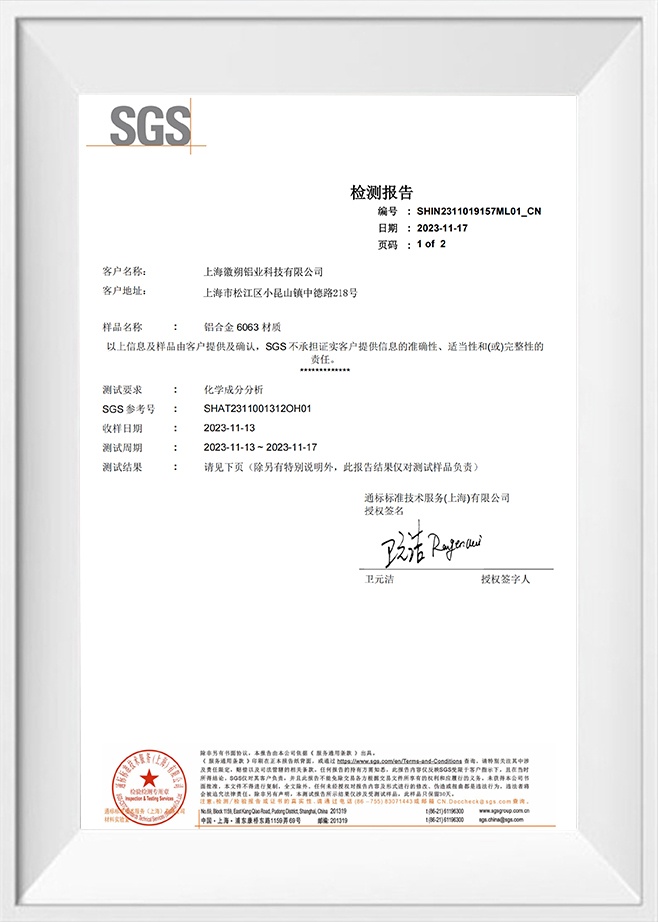
- Verify material certification (mill test report) for alloy and temper.
- Perform a fit test with a sample profile before bulk order.
- Check surface finish for burrs, scratches, or anodizing defects.
Buyer RFQ Checklist
- Profile series and slot width (e.g., 40 series, 8 mm slot)
- Connector type and quantity per joint
- Material and surface finish (e.g., 6061-T6, clear anodized)
- Bolt material, size, and grade (e.g., M8 x 20, A2-70)
- Load requirements (static/dynamic, max force per joint)
- Dimensional tolerances (e.g., ±0.1 mm on hole centers)
- Certification requirements (material cert, test reports)
- Packaging (bulk or kit, labeling)
- Delivery lead time and incoterms
- Sample availability and cost
Supplier Evaluation Criteria
When evaluating an Aluminium Profile Connectors supplier, consider:
- Production capability: in-house machining vs. outsourcing
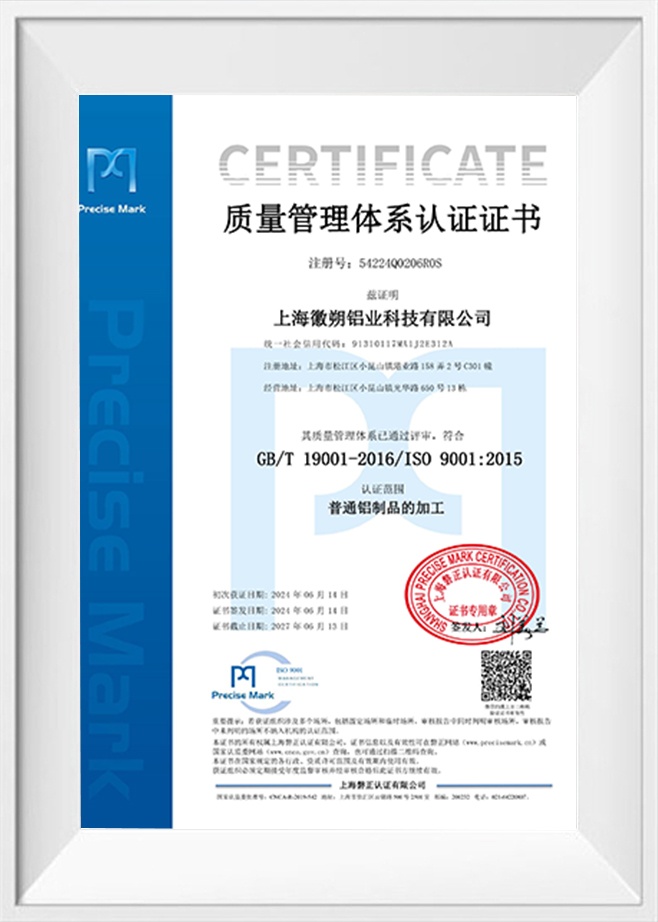
- Quality system: ISO 9001 certification (verify current certificate)
- Inventory of standard connectors vs. custom lead time
- Engineering support for joint design and load calculations
- After-sales service: warranty, replacement policy
Shanghai Huishuo Aluminum Industry Technology Co., Ltd. operates three production bases with CNC machining centers and surface treatment lines, supporting both standard and custom connector production.
Total Cost of Ownership (TCO) Considerations
While per-unit price matters, TCO includes assembly labor, rework costs, and downtime. Precision-machined connectors reduce assembly time and ensure consistent joint quality. For large projects, consider kitting connectors with pre-assembled bolts and T-nuts to streamline installation. Also factor in spare parts for maintenance—standard connectors are easier to replace than custom designs.
Frequently Asked Questions
What is the difference between a corner bracket and a gusset?
A corner bracket is a standard 90° connector for light to medium loads. A gusset is a reinforced bracket with thicker material and additional ribbing, designed for high-load or dynamic applications where extra stiffness is required.
Can I use the same connector for different profile series?
No. Connectors are designed for specific slot widths and profile geometries. Using a 40-series connector on a 30-series profile will result in poor fit and reduced load capacity. Always match the connector to the profile series.
What bolt material is best for outdoor frames?
Stainless steel A4-80 (316 grade) offers the best corrosion resistance for outdoor or washdown environments. For indoor dry applications, A2-70 (304) is sufficient and more cost-effective.
How do I calculate the number of connectors needed for a frame?
Count all joints in the frame. For each joint, determine the number of connection points (e.g., a corner joint may use one bracket or two). Add 5–10% spare for adjustments and future modifications.
What is the typical lead time for custom connectors?
Lead time depends on complexity and quantity. Standard connectors are often stocked. Custom machined connectors typically require 2–4 weeks after design approval. Confirm with the supplier during RFQ.
Do connectors come with bolts and T-nuts?
Some suppliers offer connectors as standalone parts; others provide kits with fasteners. Specify in your RFQ whether you require complete assembly hardware. Kitting reduces procurement effort but may increase unit cost.

 English
 Español