50 Series Aluminum Extrusion Profile – Engineered for Heavy Loads
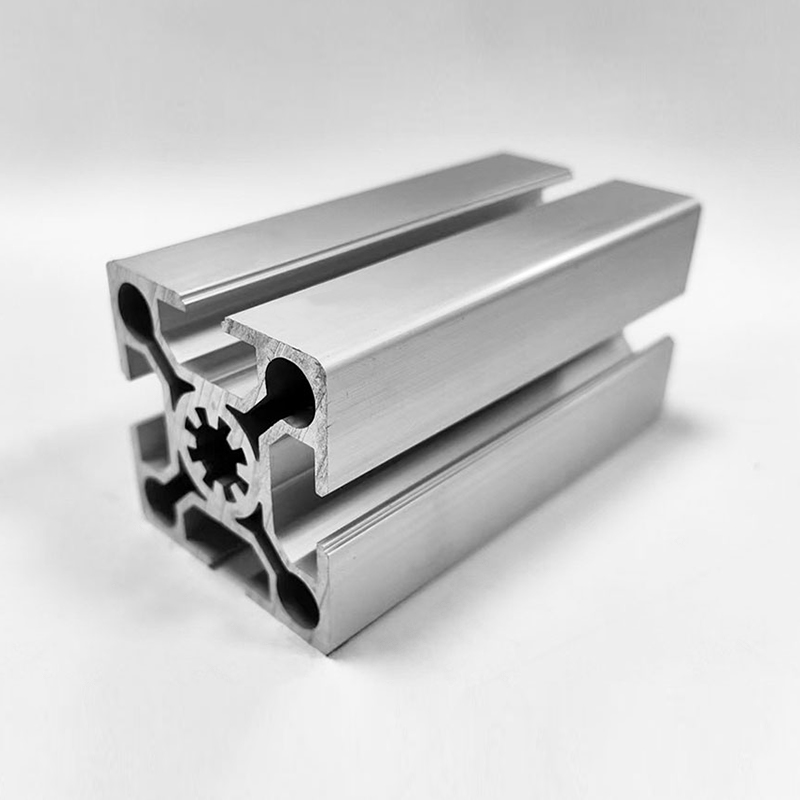
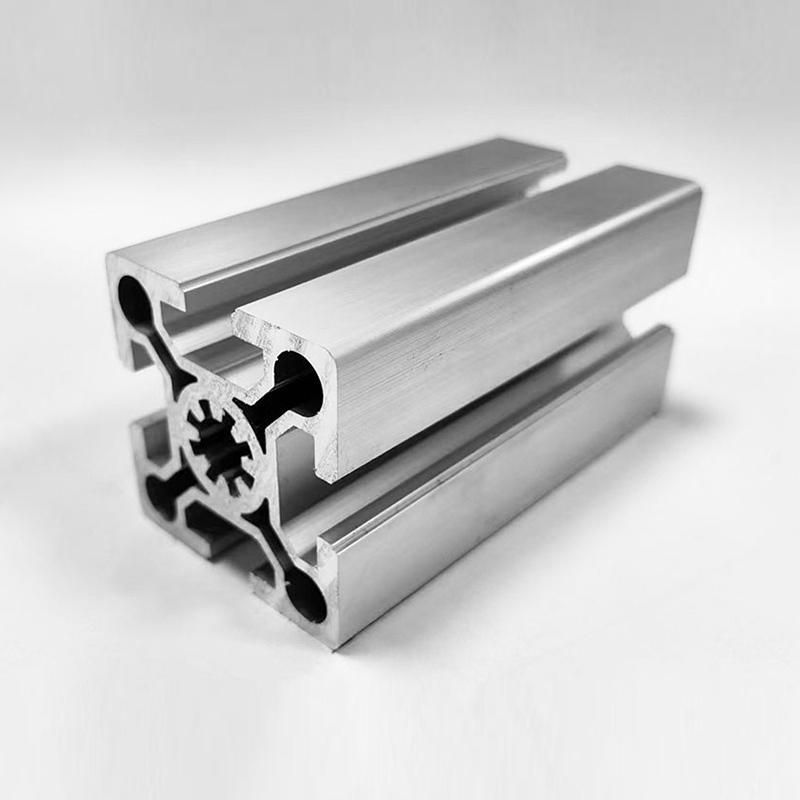
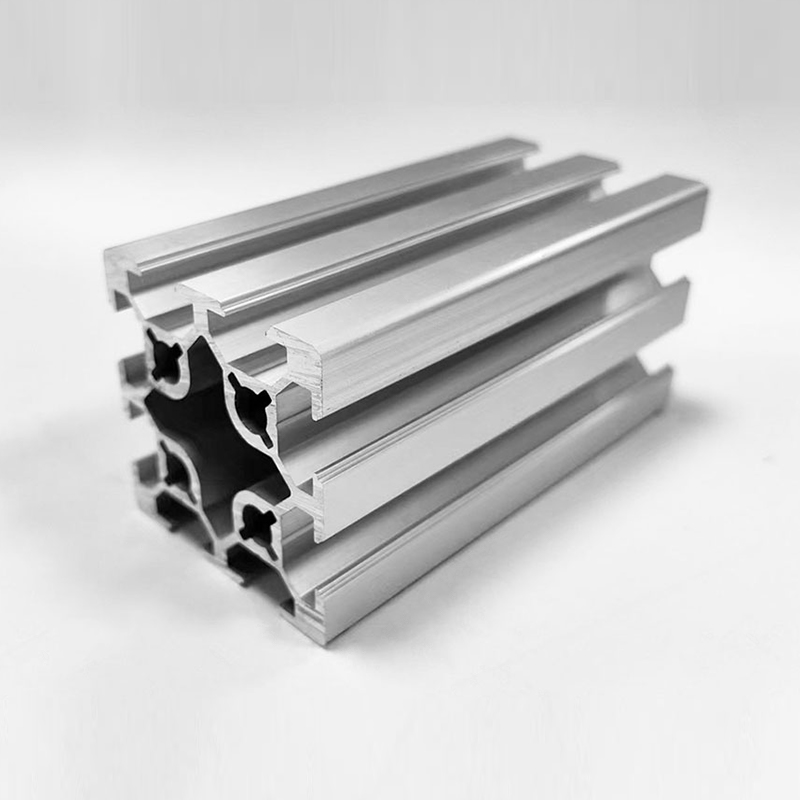
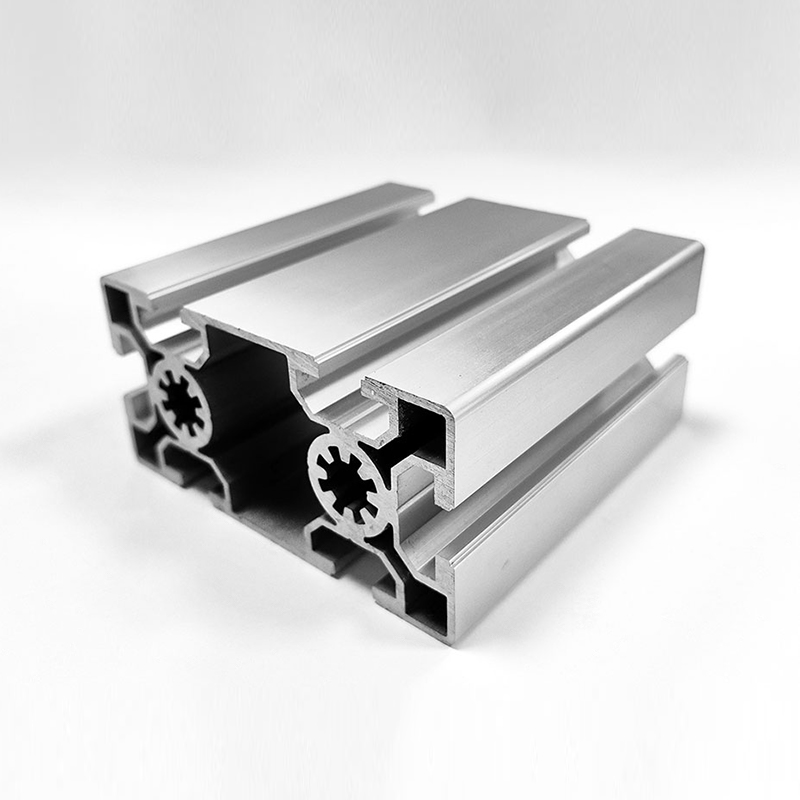
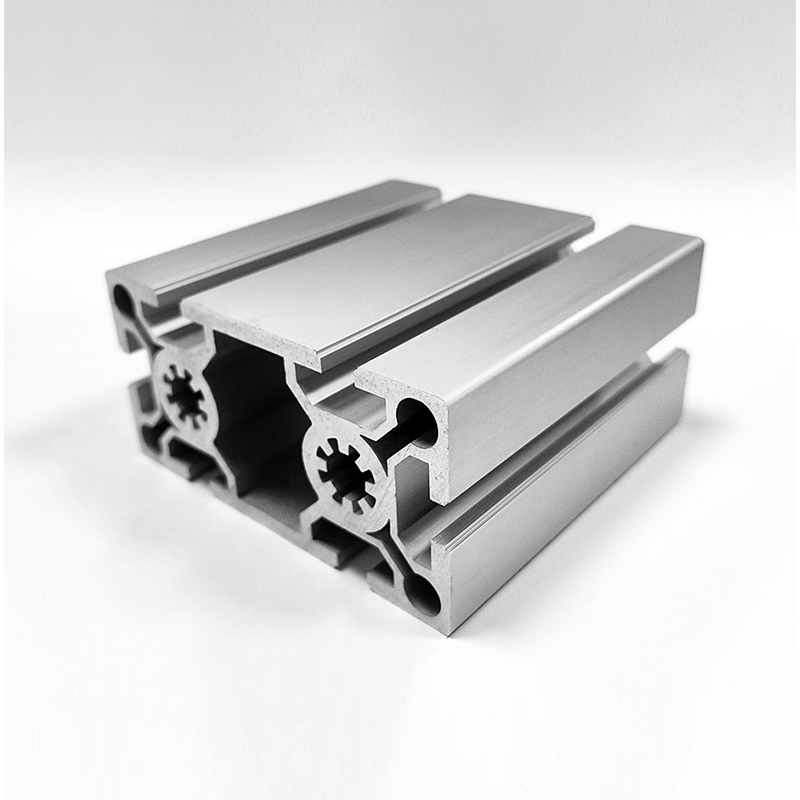
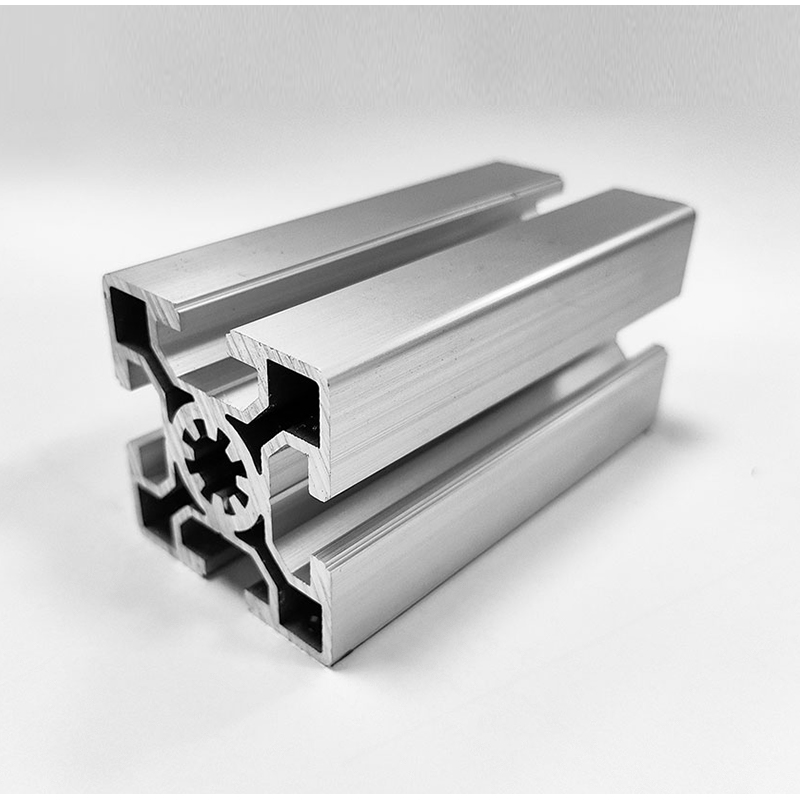
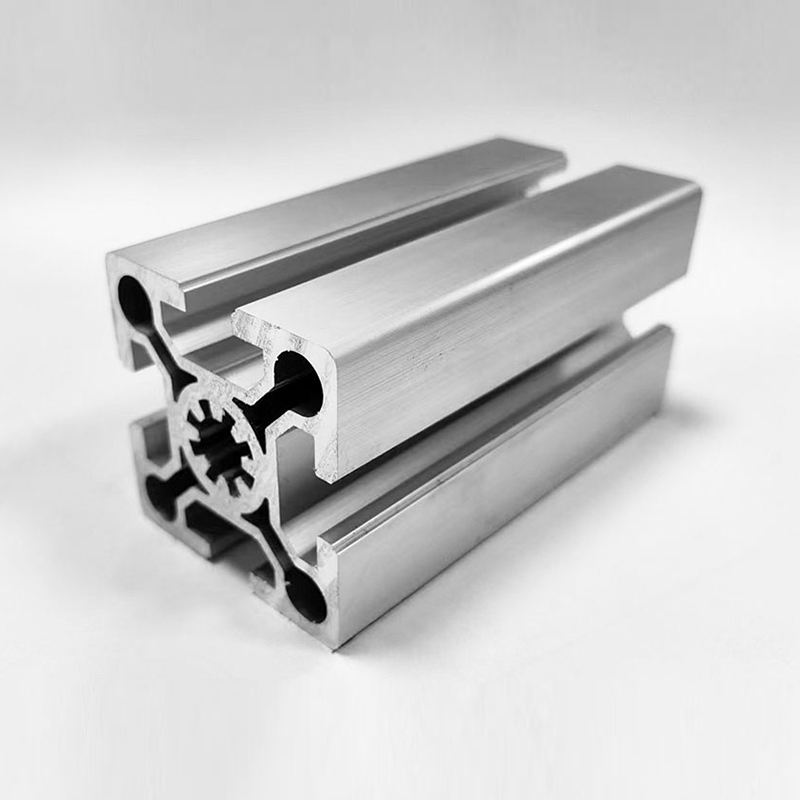
The 50 series aluminum extrusion profile is a structural T-slot profile designed for applications requiring higher load capacity and rigidity than smaller series. With a nominal cross-section of 50 mm, these profiles are the preferred choice for building robust machine bases, heavy-duty shelving, large-span support frames, and automation equipment foundations. As a 50 Series Aluminum Extrusion Profile manufacturer, Shanghai Huishuo Aluminum Industry Technology Co., Ltd. offers multiple variants to match specific structural and budgetary requirements.
Key Specifications and Variants
The 50 series includes profiles with different slot widths (8 mm and 10 mm), wall thicknesses, and cross-sectional geometries. The table below summarizes the main options available from this supplier.
| Model |
Cross-Section (mm) |
Slot Width (mm) |
Wall Thickness |
Typical Application |
| HS-8-5050 |
50×50 |
8 |
Standard |
General-purpose machine frames, workstations |
| HS-8-5050W |
50×50 |
8 |
Thickened |
Heavy-load supports, high-stress joints |
| HS-8-5050K |
50×50 |
8 |
Lightweight (thin-walled) |
Light-duty guarding, low-cost framing |
| HS-10-5050 |
50×50 |
10 |
Standard |
Heavy-duty automation bases, high-stability frames |
| HS-10-5050W |
50×50 |
10 |
Extra-heavy-duty |
Arc welding workstations, extreme load supports |
| HS-10-50100 |
50×100 |
10 |
Standard |
Long-span beams, conveyor supports |
| HS-8-50100W |
50×100 |
8 |
Thickened wide |
Heavy-duty wide-span structures |
Material and Surface Treatment
All 50 series profiles are extruded from 6063-T5 or 6061-T6 aluminum alloy, depending on the required strength and corrosion resistance. Standard surface finish is silver anodizing (AA10–AA15), which provides good wear resistance and a uniform appearance. For enhanced durability or aesthetic requirements, powder coating, electrophoretic coating, or brushing can be specified. The supplier’s Industrial Aluminum Extrusion Profiles line includes these options.
Slot Width Selection: 8 mm vs. 10 mm
The slot width determines compatibility with standard T-nuts, bolts, and accessories. The 8 mm slot (HS-8 series) is the most common and offers a wide range of off-the-shelf connectors and fasteners. The 10 mm slot (HS-10 series) provides larger contact surfaces for higher clamping forces and is preferred when using heavy-duty brackets or when the frame will experience dynamic loads. Review the Aluminium Profile Accessories catalog to confirm fastener compatibility.
Load Capacity and Structural Performance
Load capacity depends on wall thickness, cross-section geometry, and span length. For a simply supported beam at 1 m span, a standard HS-8-5050 profile typically supports a uniform load of approximately 200–300 kg, while the thickened HS-8-5050W can handle 30–50% more. The rectangular profiles (50×100) offer significantly higher bending stiffness in the major axis. Always verify deflection limits for your specific application. The supplier’s Custom Mold Making service can produce non-standard cross-sections if needed.
Precision Machining and Integration
For seamless integration into production lines, profiles can be supplied with pre-drilled holes, tapped ends, milled slots, or cut to exact lengths. The supplier operates 26 CNC machining centers with a tolerance of ±0.01 mm and a maximum machining diameter of 6.5 m. This allows for high-precision features such as counterbored holes for hidden fasteners or custom cutouts for sensors and cable ducts. Include a detailed machining drawing with your RFQ.
Assembly and Connector Systems
50 series profiles are assembled using standard T-slot connectors, angle brackets, and corner joints. The Aluminium Profile Connectors and Aluminium Profile Fasteners categories list compatible components. For high-strength joints, consider using heavy-duty cast brackets or internal connectors. The supplier also offers Aluminum Profile Frame design and assembly services, which can reduce on-site labor.
Quality Assurance and Testing
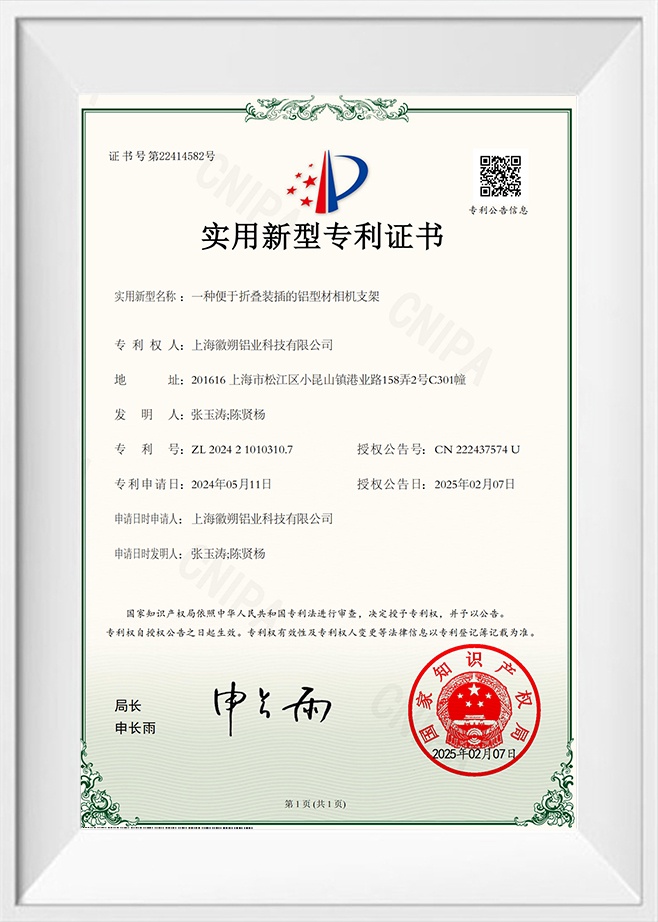
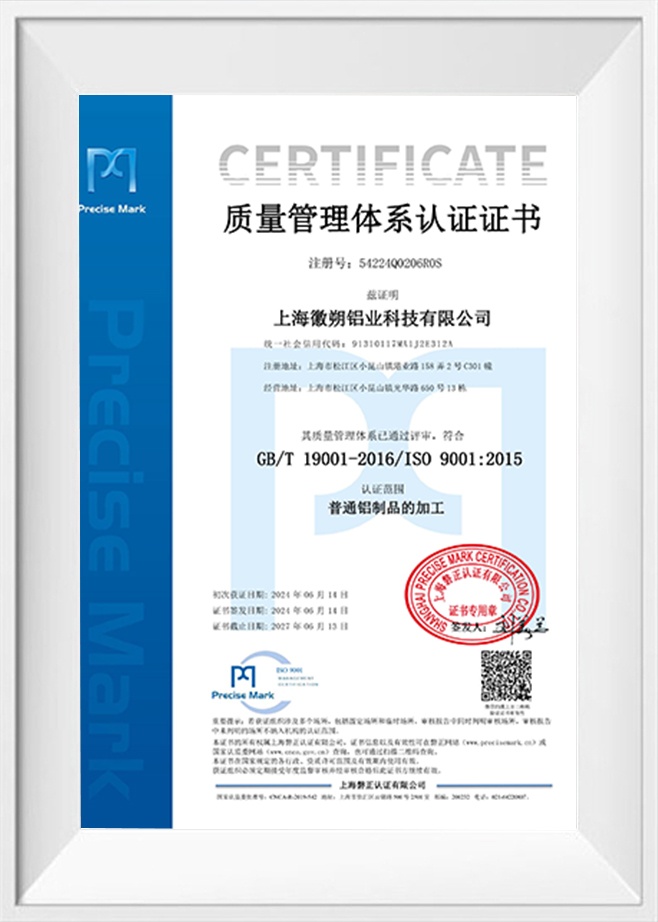
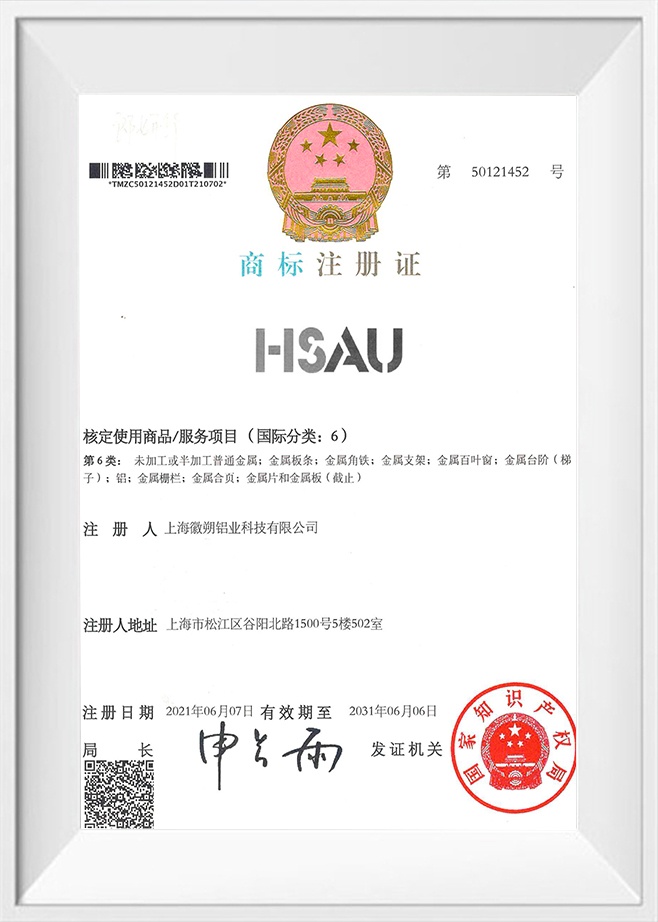
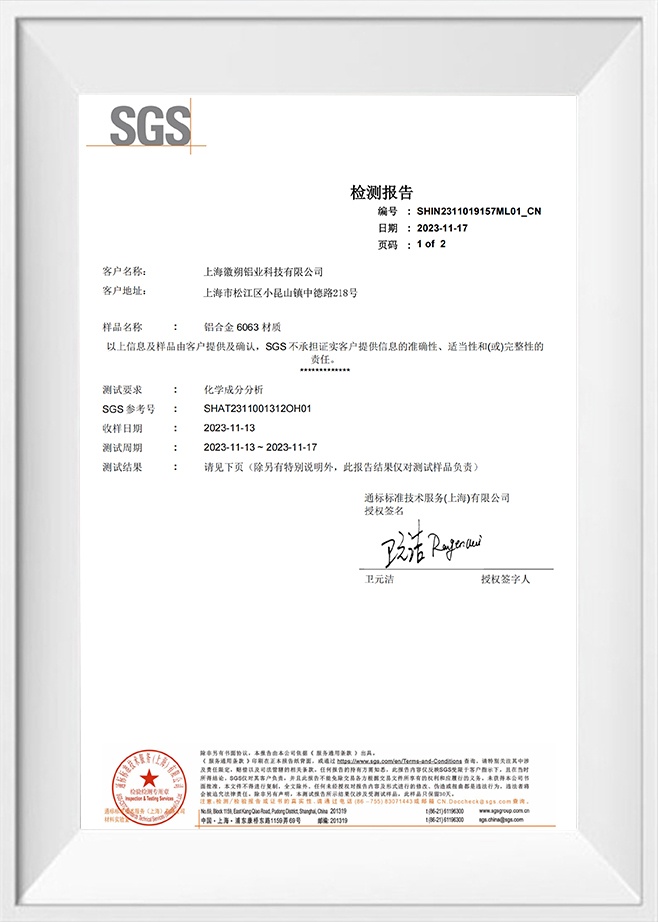
The supplier’s quality control department uses image measuring instruments, tensile testing machines, and coordinate measuring machines to verify dimensional accuracy and mechanical properties. Certificates include a Quality Management System Certification and a Utility Model Patent. Request a test report for the specific alloy and temper with your order.
Buyer RFQ Checklist
- ☐ Specify profile model and cross-section (e.g., HS-8-5050W).
- ☐ Provide cut lengths and total quantity per length.
- ☐ Indicate alloy and temper (6063-T5 or 6061-T6).
- ☐ Define surface finish (anodizing color, powder coating RAL, etc.).
- ☐ Attach machining drawing for holes, slots, or tapping.
- ☐ State acceptable tolerances (linear, twist, flatness).
- ☐ Confirm packaging requirements (bundled, crated, or palletized).
- ☐ Request load test data or material certificates.
- ☐ Specify delivery lead time and incoterms.
- ☐ Ask about minimum order quantity and sample availability.
Frequently Asked Questions
What is the difference between 8 mm and 10 mm slot profiles?
The 8 mm slot is standard and compatible with most T-nuts and accessories. The 10 mm slot provides larger contact area for higher clamping forces and is recommended for heavy-duty or dynamic load applications.
Can 50 series profiles be used for machine bases?
Yes, the 50×50 and 50×100 profiles are commonly used for machine bases, especially when combined with thickened walls or 10 mm slots for added rigidity. For extreme loads, consider the extra-heavy-duty HS-10-5050W.
What surface treatments are available?
Standard is silver anodizing. Optional treatments include powder coating (any RAL color), electrophoretic coating, brushing, and fluorocarbon painting. The supplier has 6 surface treatment lines.
How do I select the right wall thickness?
Use standard thickness for general framing, thickened for higher loads or longer spans, and lightweight thin-walled for low-stress guarding or cost-sensitive projects. Provide your load and span data to the supplier for a recommendation.
Can I get custom lengths and machining?
Yes, the supplier offers cutting to length, drilling, tapping, milling, and other CNC machining services. Provide a detailed drawing for accurate quotation.
What is the typical lead time for 50 series profiles?
Lead time depends on quantity, surface treatment, and machining complexity. Standard extrusions without machining typically ship within 7–15 days after order confirmation. Contact the supplier for current lead times.

 English
 Español