
 English
 Español
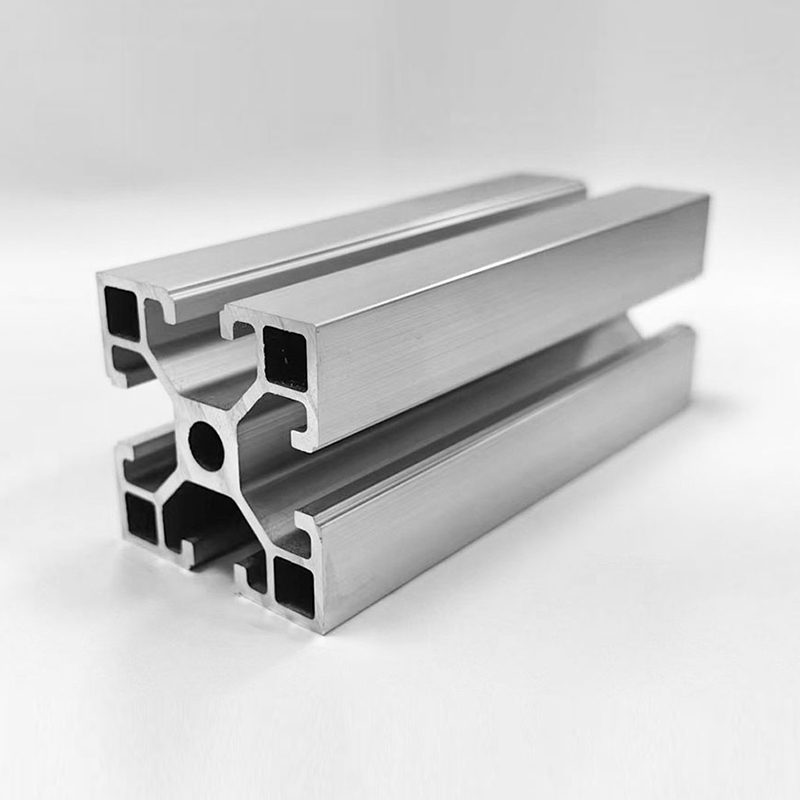

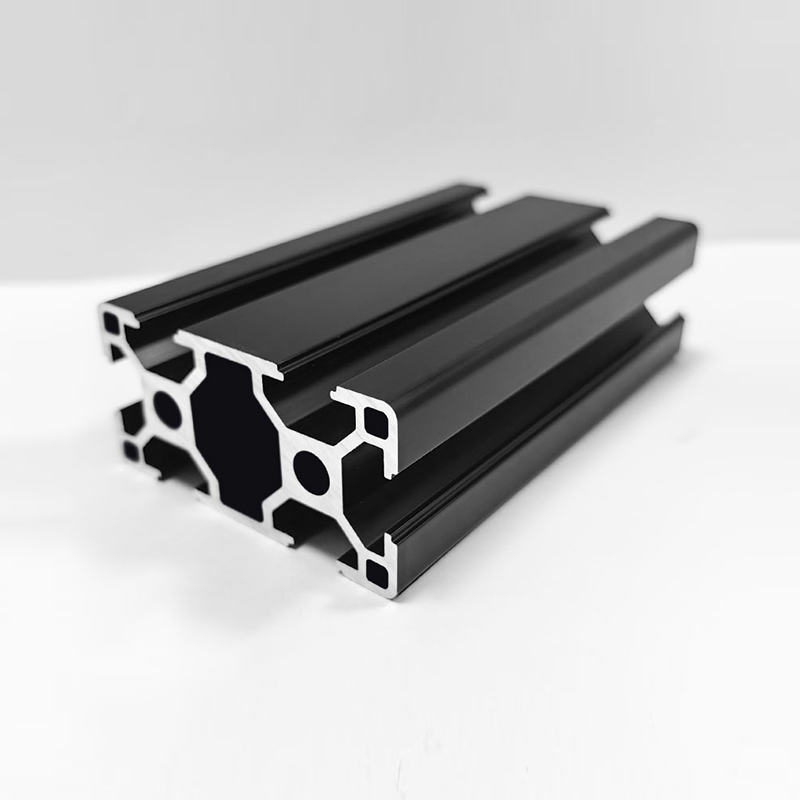
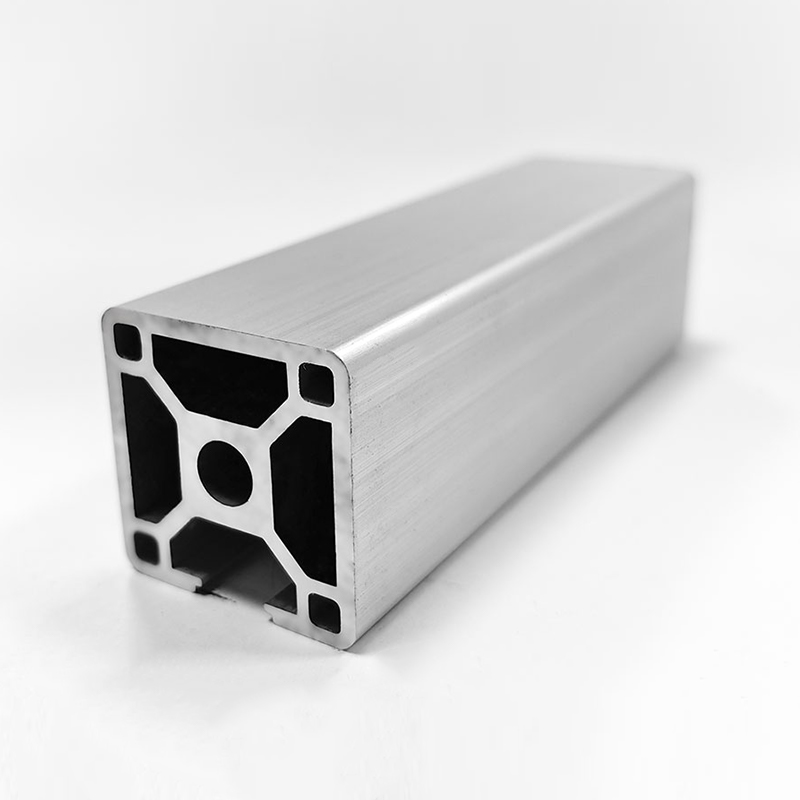
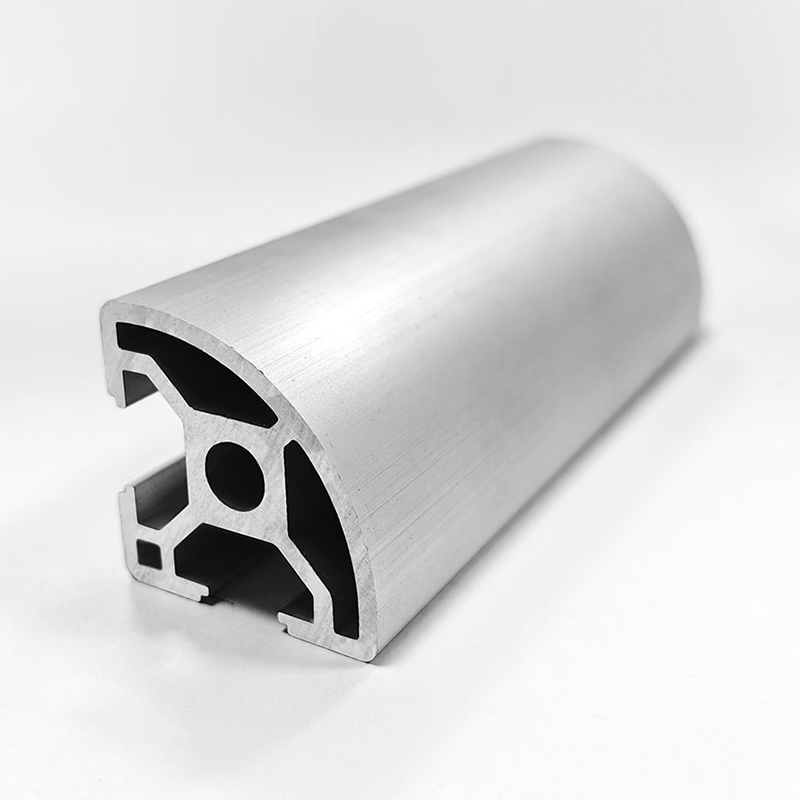
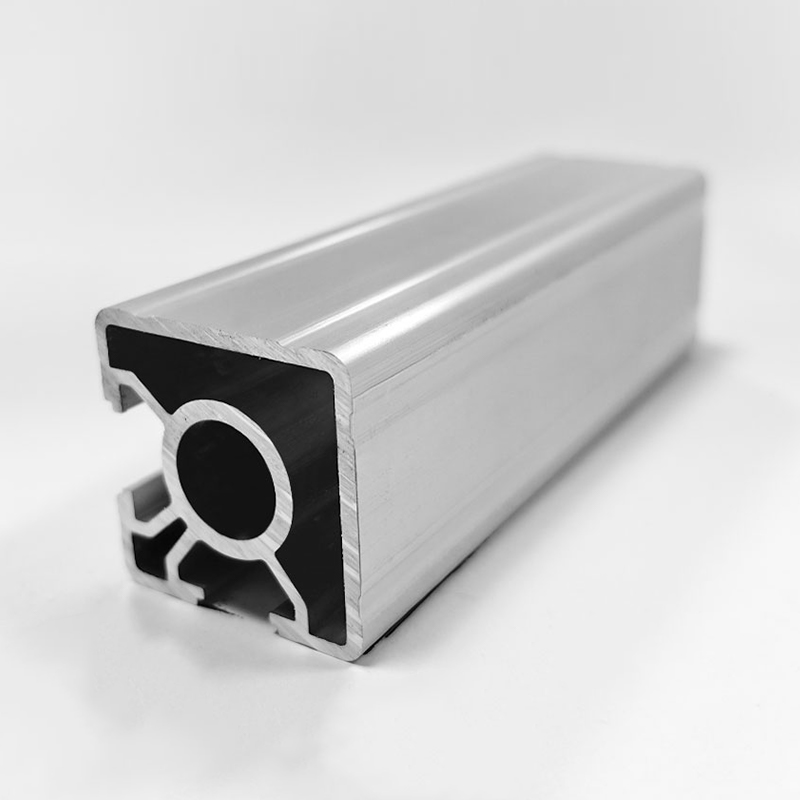
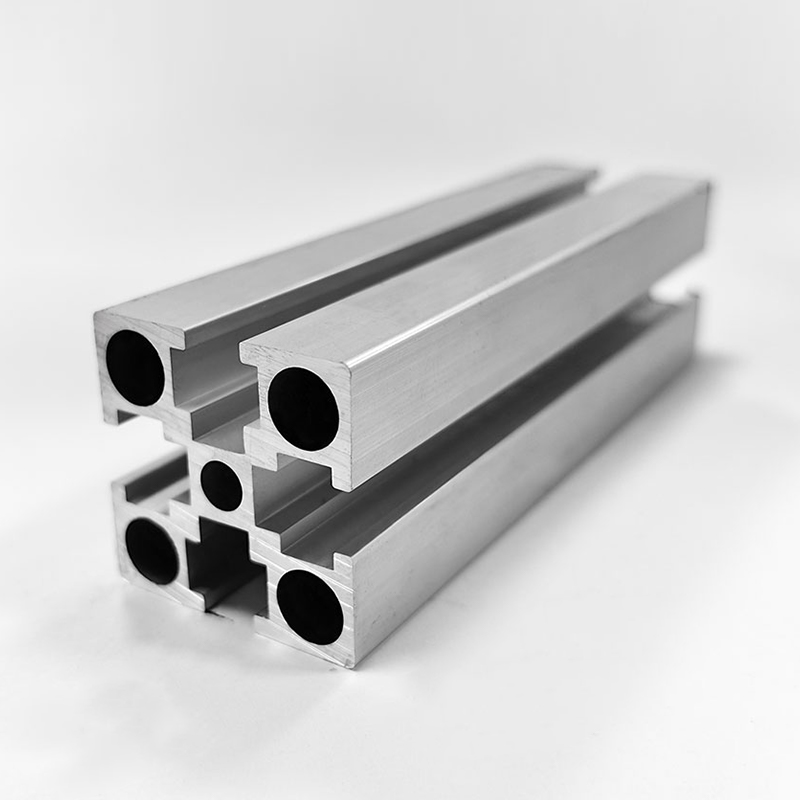
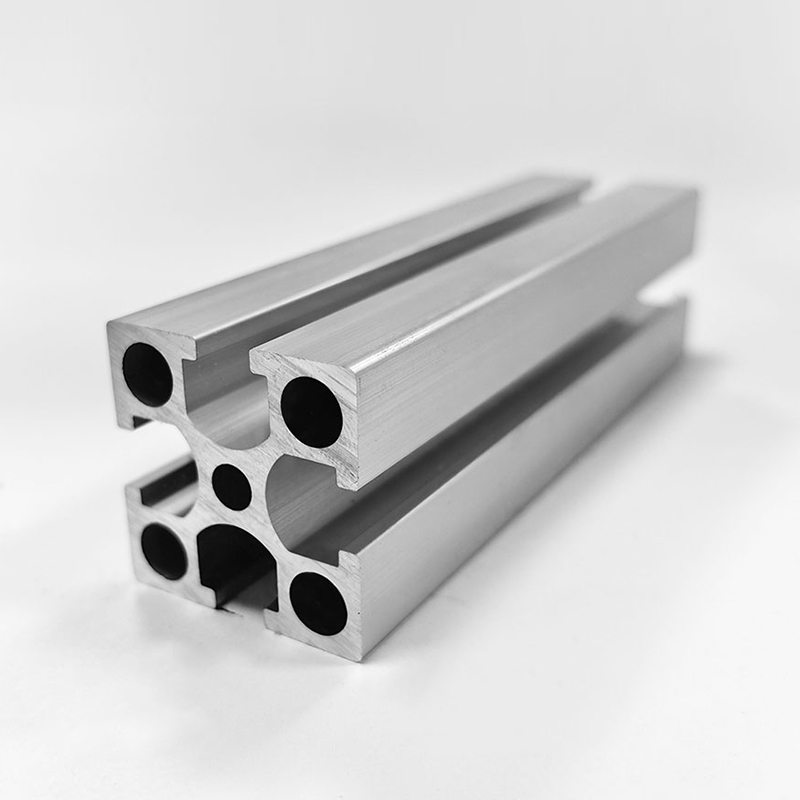
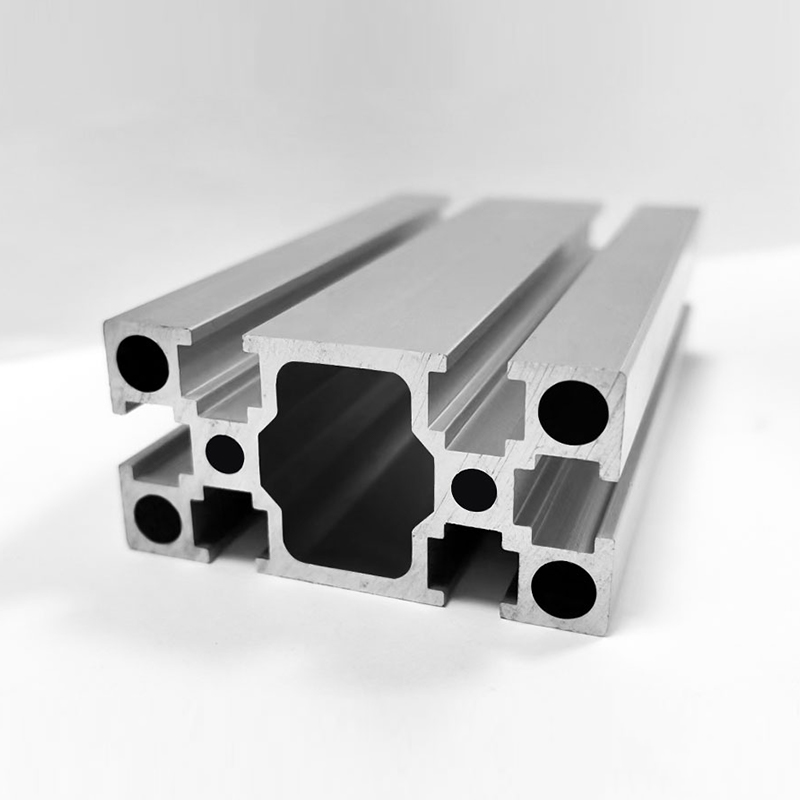
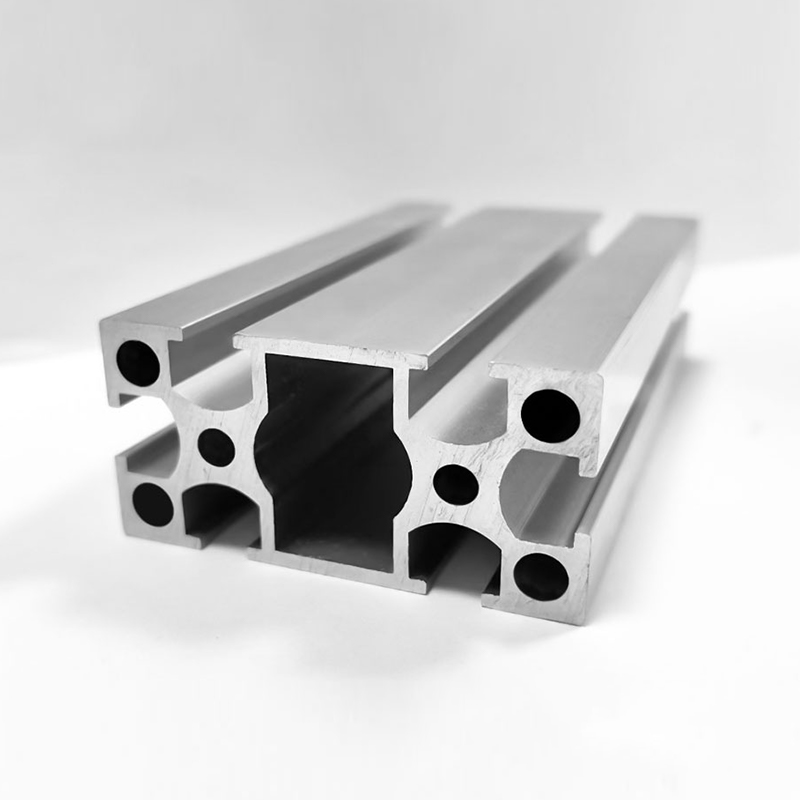
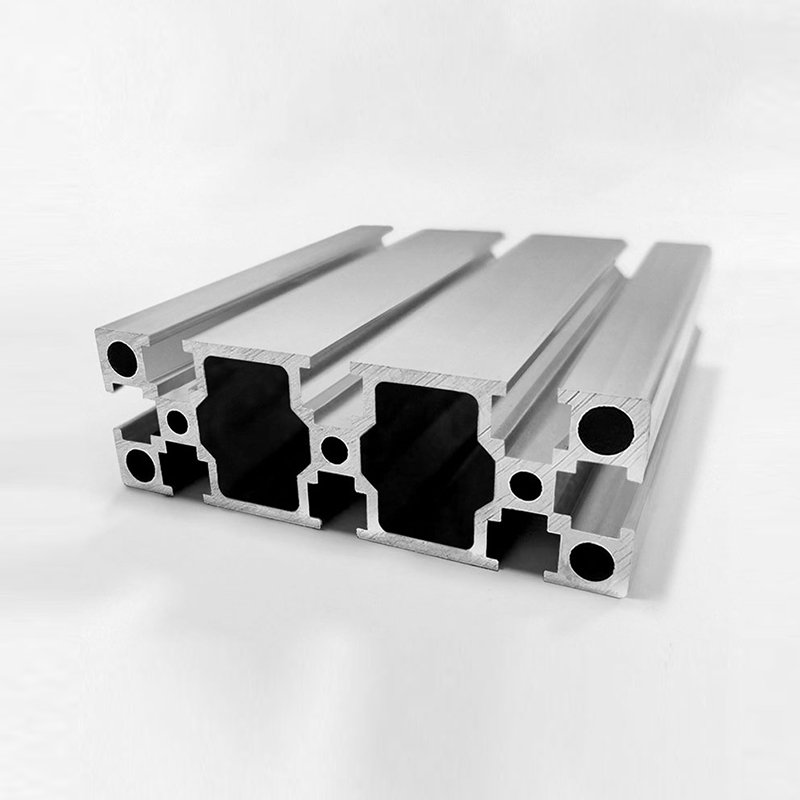
Sandblasted Aluminum Profile 6061 · 6063 · 6005
Core Advantages
Uniform Matte Surface Texture
Controlled abrasive media applied under regulated pressure produces a consistent non directional surface pattern across the profile length.
Concealment of Minor Surface Marks
The blasting process reduces the visibility of minor extrusion die lines and surface marks present before finishing.
Compatible With Anodizing
Sandblasted surfaces can proceed to an anodizing stage, combining a matte texture with an oxide protective layer on the same profile.
Controlled Grit Selection
Different abrasive grit sizes are available during processing to produce different levels of surface roughness on request.
Sandblasted Finish vs. Standard Mill Finish
Matte, non directional surface texture with reduced visibility of extrusion marks, suitable for anodizing as a following stage.
Natural extruded surface with visible die lines and no additional surface treatment applied.
Product Specifications
| Specification | Detail |
| Base Alloy Grades | 6061, 6063, 6005 |
| Surface Treatment | Abrasive blasting, with optional anodizing after blasting |
| Surface Roughness | Ra 1.5 to 4.5 micrometers |
| Length Tolerance | Plus or minus 0.3 millimeters per meter |
| Straightness Tolerance | 0.5 millimeters per meter |
| Custom Processing | CNC drilling, cutting, milling and tapping |
| Profile Types | Structural brackets, enclosure sections, decorative trim profiles |
Application Scenarios
Architectural Trim and Panels
Matte surface panels and trim profiles use sandblasting for a uniform non reflective surface appearance.
Electronic Equipment Housings
Enclosure profiles use a blasted surface to reduce glare and provide a consistent tactile finish on visible panels.
Giftware and Display Fixtures
Structural components for display fixtures use sandblasted surfaces prior to anodizing for a matte decorative finish.
Pre Anodizing Surface Preparation
Blasting is used as a preparation stage before anodizing when a matte base texture is specified ahead of the oxide layer.
Considerations Before Ordering
Surface roughness and grit size should be specified at the drawing stage, since the blasting parameters are set according to the target surface texture and any anodizing stage planned after blasting. Profiles blasted in separate production runs may show minor texture variation, so components used together in a single visible assembly should be processed within the same production run.
Frequently Asked Questions
The matte texture is produced by propelling abrasive media against the profile surface under controlled pressure, which removes surface gloss and creates a non directional pattern.
Sandblasting is commonly used as a preparation stage before anodizing, allowing the matte texture to be combined with the oxide layer produced during anodizing.
Surface roughness produced during blasting affects how the anodic layer appears on the surface, so the grit size is selected according to the intended final appearance.
Custom mold making supports special cross sections, which can then be processed through the same blasting line used for standard profile shapes.
