
 English
 Español
hsau hsau hsau hsau hsau
hsau hsau hsau hsau

Content
Modular aluminum extrusion systems have fundamentally transformed industrial equipment design, assembly automation, cleanroom architecture, and structural framing. Among the standard metric sizing categories, 30 Series aluminum extrusion profiles occupy a pivotal position between light-duty mounting channels and heavy-duty structural pillars.
Built on a standardized 30 millimeter grid increment, 30 Series profiles offer a balanced ratio of structural bending rigidity to linear weight. They provide sufficient mechanical strength for mid-sized machine guards, ergonomic workstations, conveyor frame rails, and material handling racks, while avoiding the weight and cost penalties associated with heavier structural series.
For original equipment manufacturers, system integrators, and plant engineers, selecting and configuring 30 Series profile systems requires evaluating core metallurgical properties, cross-sectional geometry variations, slot dimensions, hardware loading limits, and surface protection systems. This technical guide delivers an in-depth analysis of 30 Series profiles to assist engineering teams in optimizing modular structural designs.
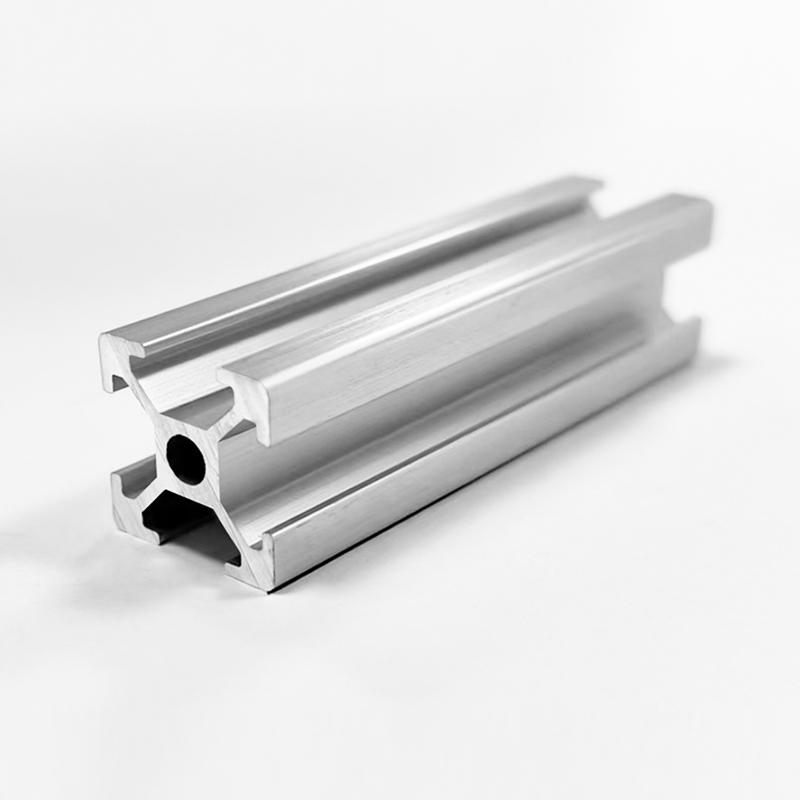
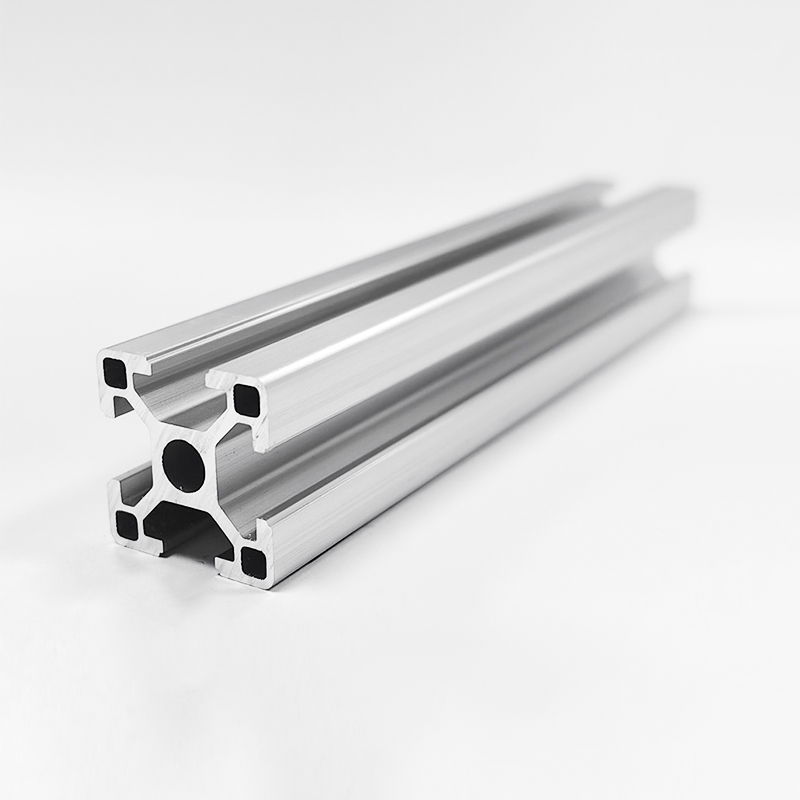
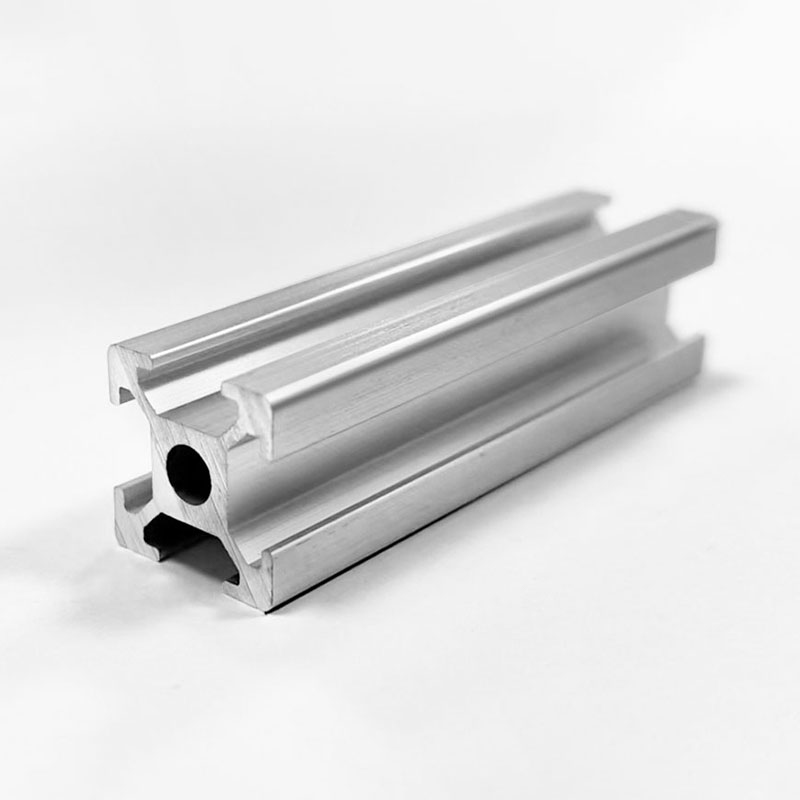
The defining parameter of the 30 Series classification is its baseline 30 millimeter square outer boundary dimension. However, single square shapes represent only a portion of the functional family. Aluminum extruders produce a comprehensive matrix of cross-sectional geometries based on the 30 millimeter module to accommodate asymmetrical bending moments and structural connection requirements.
| Profile Designation | Outer Dimensions | Number of Open Slots | Center Core Bore Diameter | Typical Mass Density | Primary Application Scope |
|---|---|---|---|---|---|
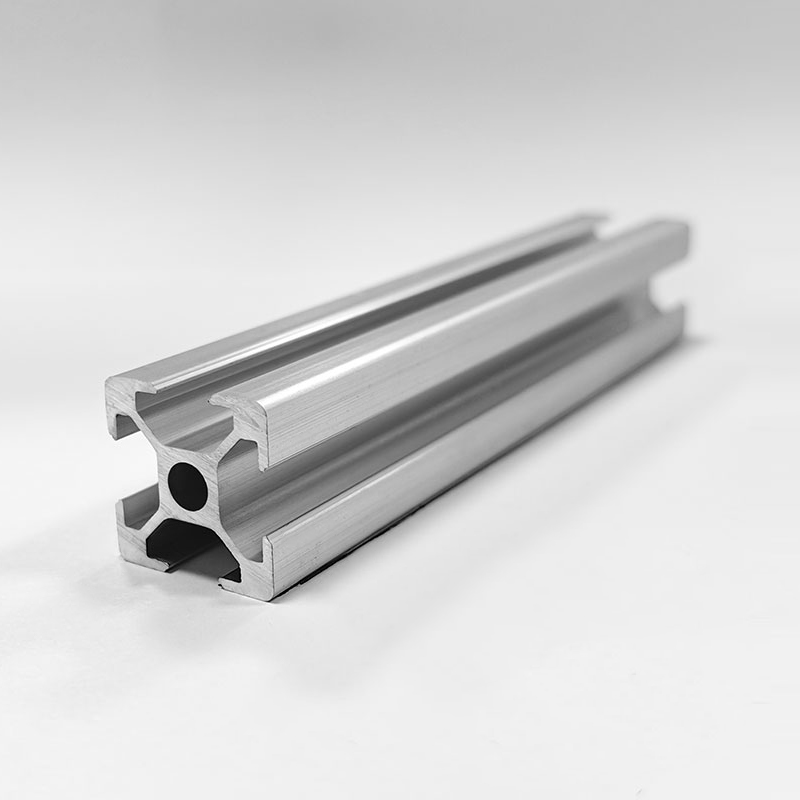
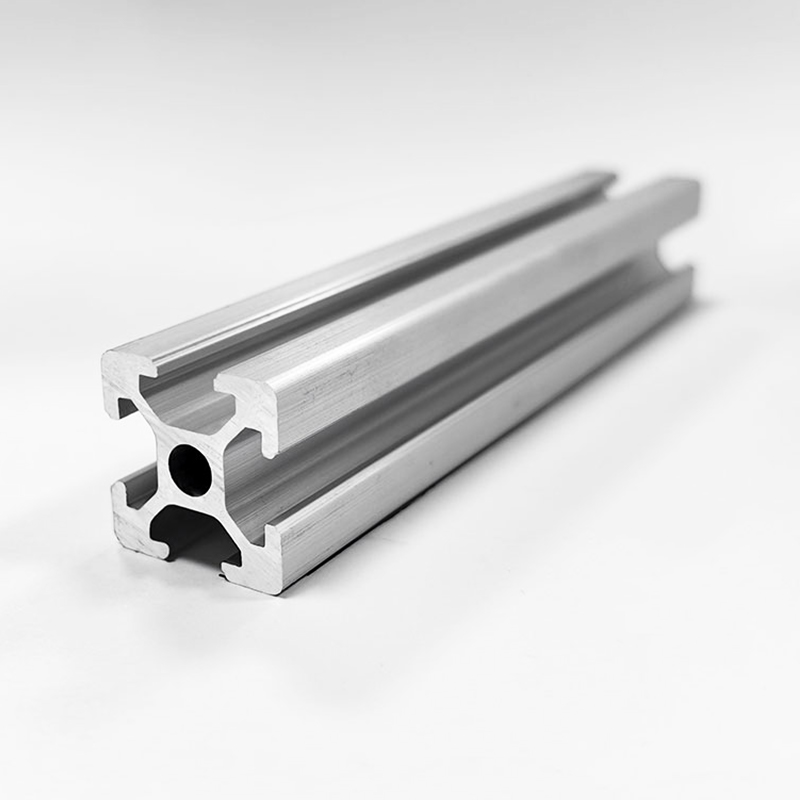
| 3030 Light | 30mm by 30mm | 4 Slots | 6.8 mm | 0.85 kilograms per meter | Protective display panels, lightweight enclosures |
| 3030 Standard | 30mm by 30mm | 4 Slots | 6.8 mm | 1.05 kilograms per meter | Workstation uprights, assembly cell framing |
| 3030 Heavy | 30mm by 30mm | 4 Slots | 6.8 mm | 1.25 kilograms per meter | Linear actuator mounts, medium machine bases |
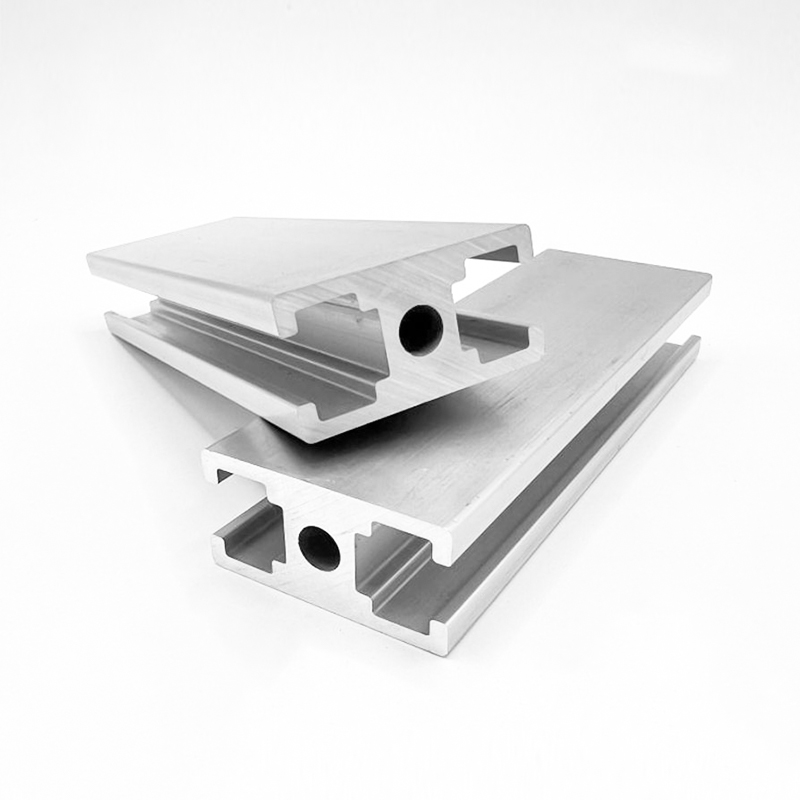
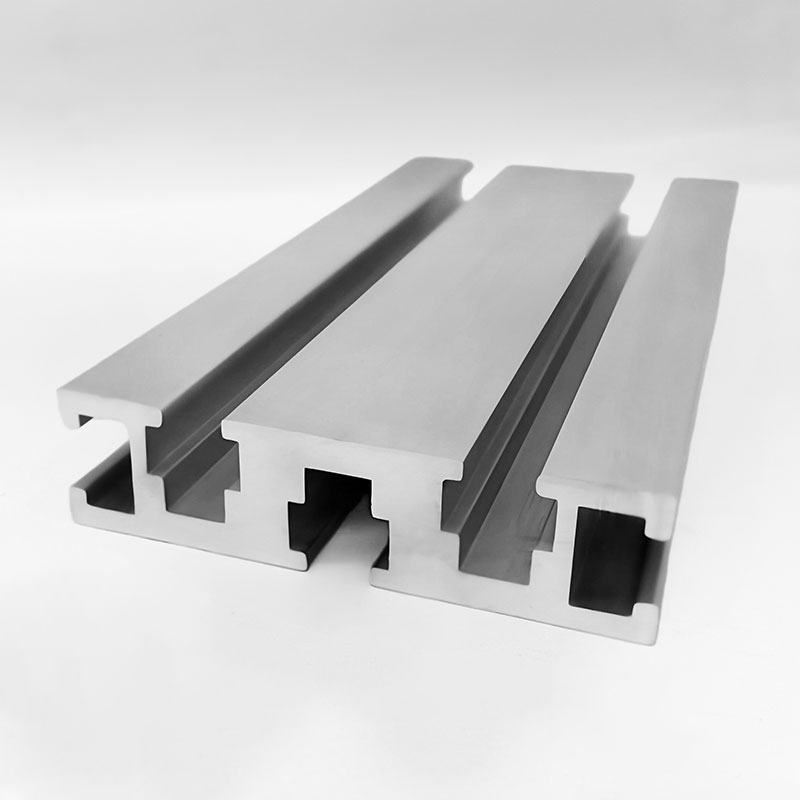
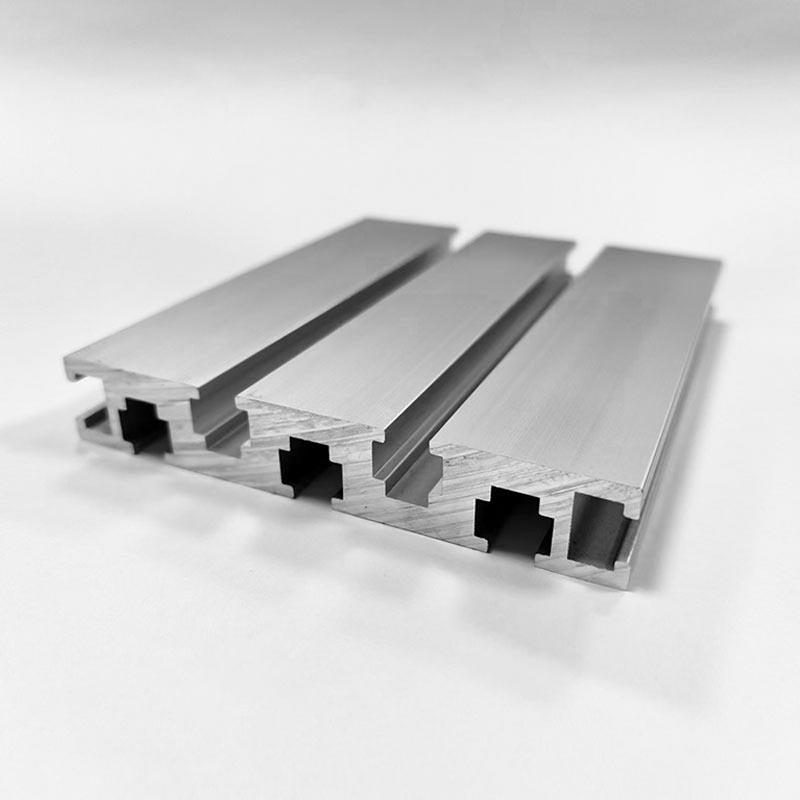
| 3060 Standard | 30mm by 60mm | 6 Slots | Dual 6.8 mm | 1.85 kilograms per meter | Conveyor guide rails, horizontal frame beams |
| 3090 Standard | 30mm by 90mm | 8 Slots | Triple 6.8 mm | 2.70 kilograms per meter | Long span crossbeams, multi-axis gantry tracks |
| 6060 Standard | 60mm by 60mm | 8 Slots | Quad 6.8 mm | 3.20 kilograms per meter | Primary load support posts, heavy robot cells |
The structural capabilities of a 30 Series profile depend heavily on the chemical composition of its aluminum alloy and the precise artificial thermal aging process applied following extrusion.
The vast majority of 30 Series industrial profiles are extruded from 6xxx series aluminum alloys containing magnesium and silicon as their principal alloying elements, which form magnesium silicide to enable precipitation hardening.
The modular flexibility of 30 Series profiles relies on the standardized dimensions of its longitudinal T-slots. Industrial 30 Series profiles typically feature an 8 millimeter slot width (often designated as Slot 8 or B-Type / I-Type slot geometry depending on the manufacturer ecosystem).
The T-slot channel consists of an outer slot opening width of 8.2 millimeters, an inner chamber width of 16.0 to 16.5 millimeters, and a lip retention thickness engineered to withstand pull-out forces. When a T-nut is tightened inside the slot, the clamping force applies shear stress directly onto the internal aluminum slot lips. Standard 30 Series Slot 8 profiles exhibit a maximum safe static tensile pull-out strength ranging from 2,500 to 4,000 Newtons per fastener connection point, depending on whether a light or heavy profile wall structure is selected.
Designing robust 30 Series machinery frames requires evaluating beam bending deflection under static point loads, distributed loads, and dynamic torsional forces.
Beam deflection in a 30 Series structural frame is governed by three main variables: the unsupported span length between structural supports, the elasticity modulus of the aluminum alloy (approximately 68.9 Gigapascals), and the Area Moment of Inertia of the selected profile cross-section.
Because bending deflection increases with the cube of the unsupported span length, doubling the length of a horizontal 3030 profile beam increases its deflection under the same center load by eight times. Engineers can address deflection issues by transitioning from a single 3030 profile to a 3060 profile oriented vertically, which increases the area moment of inertia along the load axis by more than four times without altering the surrounding 30 millimeter mounting hardware.
| Profile Cross-Section | Primary Axis Moment of Inertia | Secondary Axis Moment of Inertia | Bending Resistance Index | Recommended Maximum Span for 100kg Load |
|---|---|---|---|---|
| 3030 Light Profile | 2.10 cm4 | 2.10 cm4 | Moderate | Up to 600 millimeters |
| 3030 Standard Profile | 2.85 cm4 | 2.85 cm4 | Standard Baseline | Up to 850 millimeters |
| 3030 Heavy Profile | 3.30 cm4 | 3.30 cm4 | High Rigidity | Up to 1,000 millimeters |
| 3060 Standard (Vertical Axis) | 12.80 cm4 | 3.10 cm4 | Very High | Up to 1,500 millimeters |
| 3090 Standard (Vertical Axis) | 38.50 cm4 | 4.20 cm4 | Exceptional | Up to 2,100 millimeters |
| 6060 Standard Profile | 32.40 cm4 | 32.40 cm4 | Maximum Multi-Axis | Up to 2,400 millimeters |
Industrial operational environments expose 30 Series profiles to humidity, chemical lubricants, washdown detergents, and atmospheric particulates. Surface treatment selection determines both longevity and visual appearance.
Anodizing is an electrochemical process that converts the outer aluminum layer into a durable aluminum oxide ceramic barrier.
Powder coating applies electrostatically charged dry polymer powder cured at elevated temperatures (180 to 200 degrees Celsius) to form a continuous surface layer measuring 60 to 100 microns. Powder-coated 30 Series profiles offer high impact resistance and allow custom safety color coding (such as industrial safety yellow for perimeter fencing).
Precision alignment in modular machinery frames requires strict dimensional control during extrusion, high-speed cutting, and secondary CNC machining operations.
30 Series profiles intended for industrial automation are extruded in compliance with precision European standards such as EN 12020-2:
To assist design engineers in specifying the correct 30 Series profile configuration, the following matrix outlines recommended profile choices across primary industrial applications.
| Industrial Sector | Specific Equipment Case | Recommended Profile Model | Preferred Surface Finish | Essential Connecting Hardware |
|---|---|---|---|---|
| Factory Automation | Light to medium safety cell guarding | 3030 Light / 3030 Standard | Clear Anodized (10-15um) | Drop-in roll nuts, yellow PVC slot covers, hinges |
| Material Handling | Small belt conveyor frame rails | 3060 Standard Profile | Clear Anodized | Corner gusset plates, floor support brackets |
| Ergonomic Furniture | Modular height-adjustable workbenches | 3030 Heavy / 6060 Standard | Clear Anodized / Powder Coated | Internal bolt connectors, M8 thread leveling feet |
| Medical and Biotech | Analytical laboratory equipment frames | 3030 Standard Profile | Smooth Clear Anodized | Flush slot cover strips (prevents dust collection) |
| Electronics Assembly | SMT line feeder racks and inspection bays | 3030 Standard / 3060 | Black Anodized | Anti-static ESD grounding terminal nuts |
The primary difference is dimensional size and load-bearing capacity. 30 Series profiles are built on a 30 millimeter grid with an 8 millimeter slot width, making them lighter, more compact, and lower in cost for light to medium-duty applications. 40 Series profiles are built on a 40 millimeter grid with an 8 millimeter or 10 millimeter slot width, featuring thicker outer walls and higher section inertia designed for heavy structural machine bases and heavy automation gantries.
Yes, you can use M6 hardware in a 30 Series Slot 8 profile provided you select 30 Series T-nuts that feature an M6 threaded core combined with a body width designed for 8 millimeter slots. While M8 is the maximum and standard thread size for Slot 8 profiles, M6 T-nuts are widely used for mounting lighter accessories, sensors, and panel brackets into the same channel.
Dust accumulation in open 30 Series slot channels can be prevented by installing flush PVC or aluminum slot cover strips. These flexible plastic or extruded aluminum strips press directly into the open 8 millimeter slot channel, creating a smooth exterior surface that can be wiped down easily in cleanroom, medical, or food processing environments.
6063-T5 aluminum alloy offers exceptional extrudability, allowing die manufacturers to produce complex hollow cavities, thin wall sections, and precise slot geometry with high surface smoothness. It also anodizes to a brighter, more uniform metallic finish than 6061. While 6061-T6 provides higher ultimate strength, 6063-T5 provides the ideal balance of mechanical strength, dimensional precision, and aesthetic finish for modular framing.
A single 3060 profile provides significantly higher structural integrity, torsional rigidity, and bending resistance than two separate 3030 profiles joined with fasteners. The unified internal webbing of a factory-extruded 3060 profile eliminates mechanical joint slippage, reduces total assembly labor time, and delivers a cleaner aesthetic appearance.

Phone
+86-021-5788 5585
+86-133 8191 2789
Address
No. 218, Zhongde Road, Xiaokunshan Town, Songjiang District, Shanghai, China
Media
