Industrial Aluminum Extrusion Profiles – Procurement Overview
Industrial aluminum extrusion profiles are the backbone of modular framing systems for automation equipment, machine guards, workstations, conveyors, and material handling structures. As a procurement manager or plant engineer, you need to select the correct series based on load capacity, slot size, and compatibility with accessories. these selection criteria covers the full range from 15 to 120 series, plus auxiliary profiles, and provides a practical RFQ checklist to streamline supplier evaluation.
Series Selection: Which Profile Series Fits Your Application?
The series number (e.g., 40 series) refers to the nominal width in millimeters of the profile's cross-section. Larger series offer higher load capacity and larger T-slot widths. Below is a comparison of the key series offered by Shanghai Huishuo Aluminum Industry Technology Co., Ltd., a China-based manufacturer with over 16 years of experience in aluminum profile processing.
| Series |
Typical Slot Width |
Common Cross-Sections |
Load Capacity |
Typical Applications |
| 15 Series |
6 mm (T-slot or square) |
1515, 1530, 1560G, 1590G |
Light |
Lab frames, sensor mounts, electronics enclosures |
| 20 Series |
6 mm or 8 mm |
2020, 2040, 2060, 2080 |
Light to medium |
3D printer frames, small machine guards, test units |
| 25 Series |
6 mm |
2525, 2550 |
Medium |
Display systems, material handling racks, workstations |
| 30 Series |
8 mm |
3030, 3060 |
Medium |
Machine frames, conveyors, safety guards |
| 40 Series |
8 mm or 10 mm |
4040, 4080 |
Medium to heavy |
Automation bases, heavy guards, structural supports |
| 45 Series |
10 mm |
4545, 4590 |
Heavy |
Industrial framing, heavy machinery bases |
| 50 Series |
10 mm |
5050, 50100 |
Heavy |
Welding stations, heavy automation supports |
| 60 Series |
10 mm |
6060, 60120 |
Extra heavy |
Large automation lines, heavy-duty frames |
| 80 Series |
10 mm |
8080, 80160 |
Extra heavy |
Large-span frames, heavy conveyor supports |
| 90 Series |
10 mm |
9090 |
Ultra heavy |
High-load industrial structures |
| 100 Series |
10 mm |
100100 |
Ultra heavy |
Extreme load automation supports |
| 120 Series |
10 mm or 12 mm |
120120 |
Ultra heavy |
Large-scale industrial framing, heavy machinery |
Light-Duty Series: 15, 20, 25
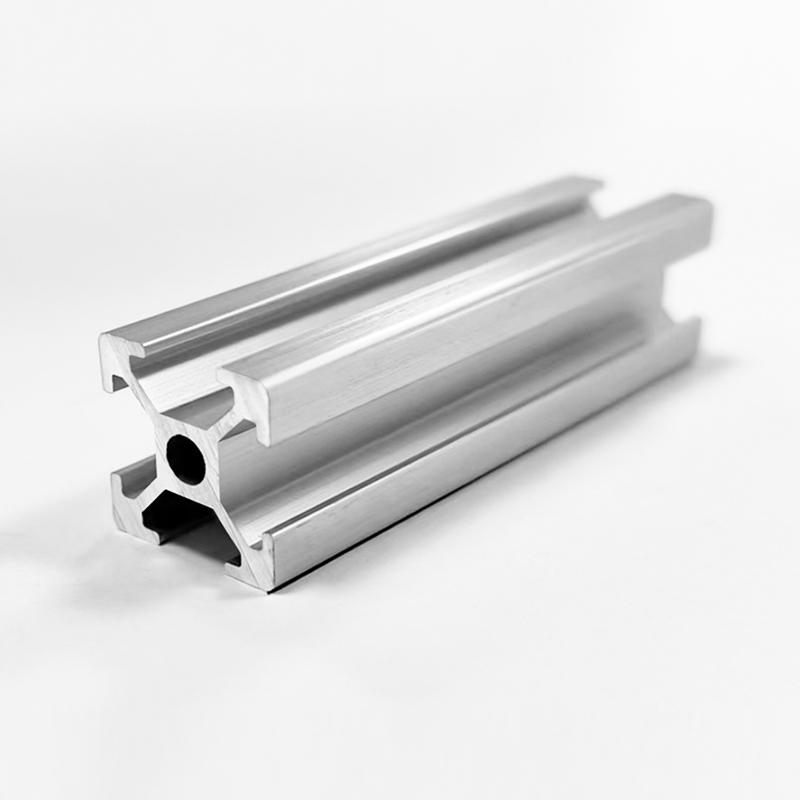
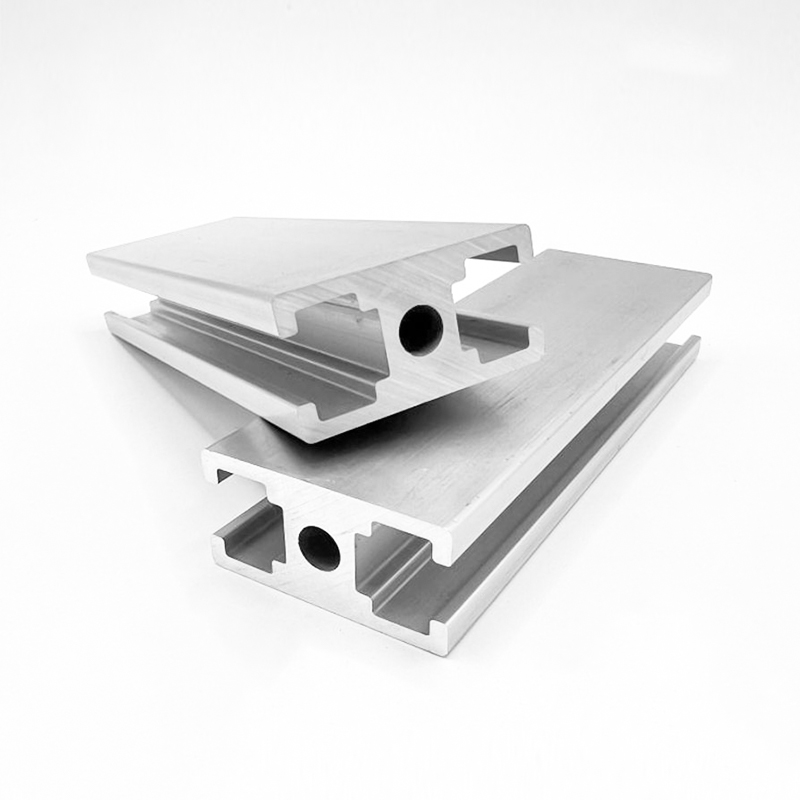
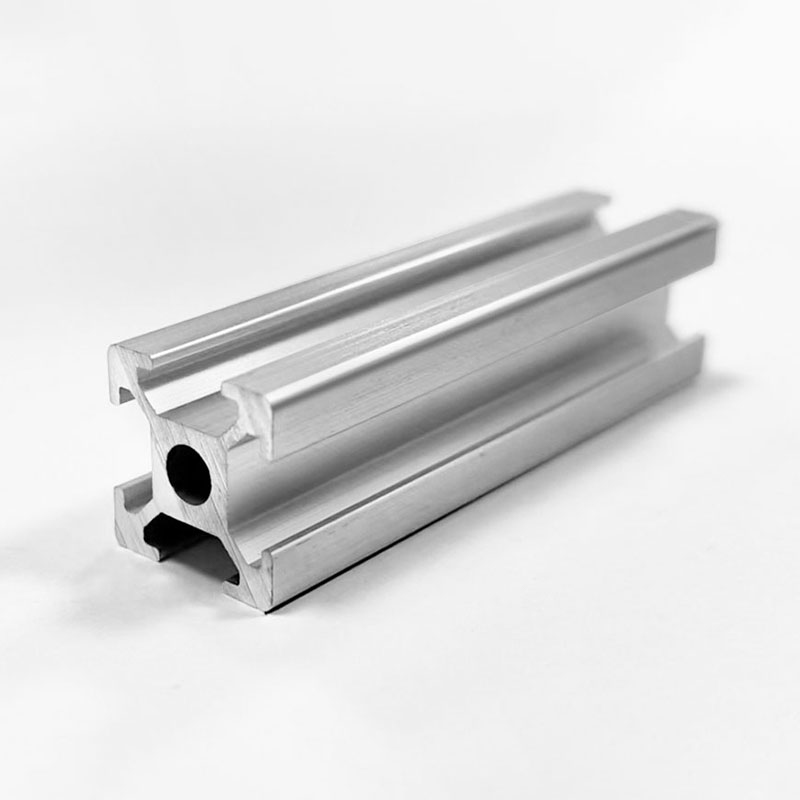
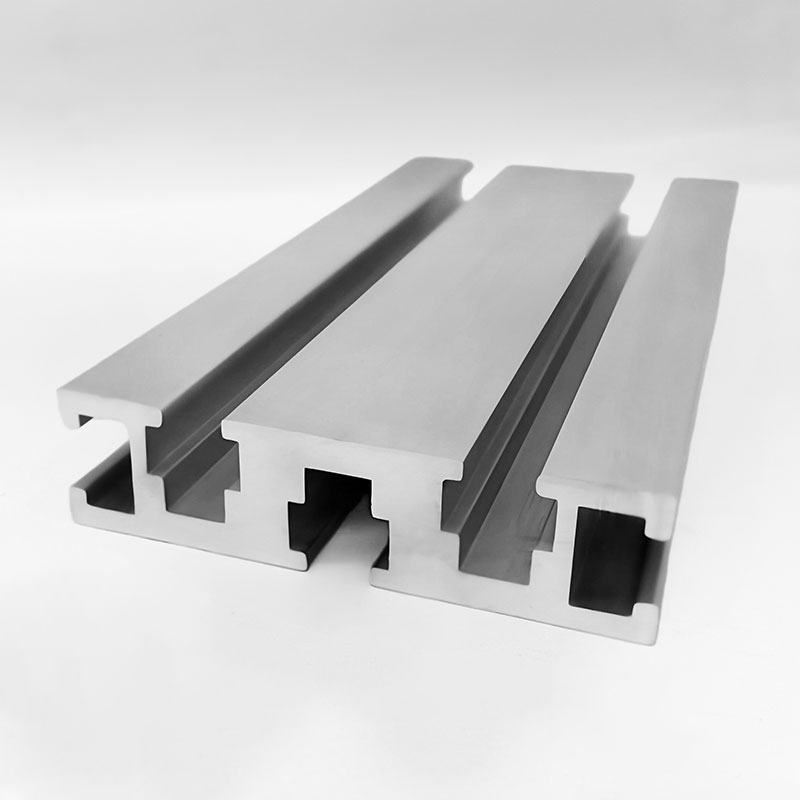
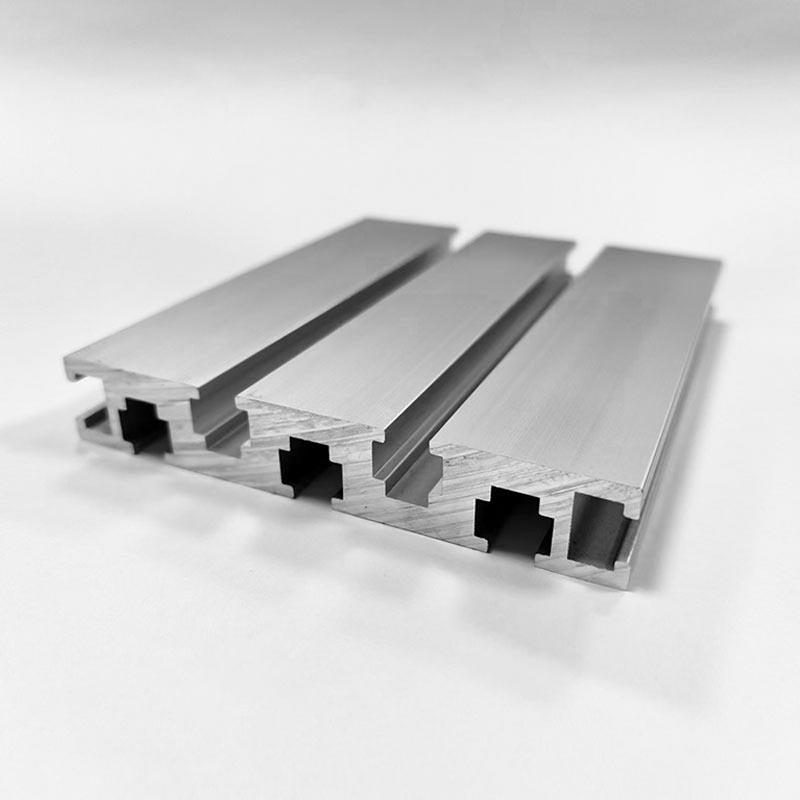
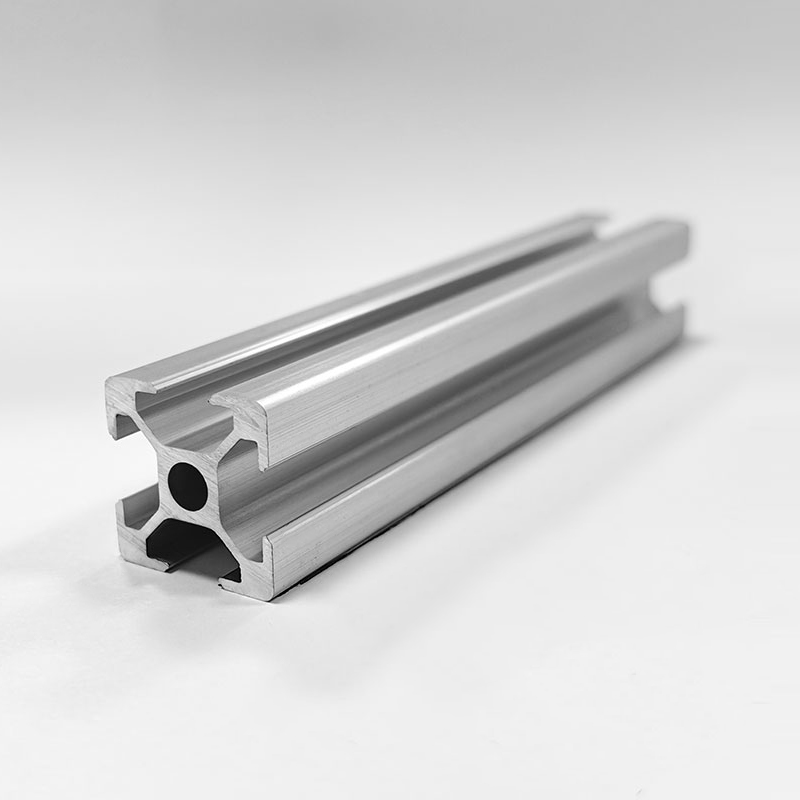
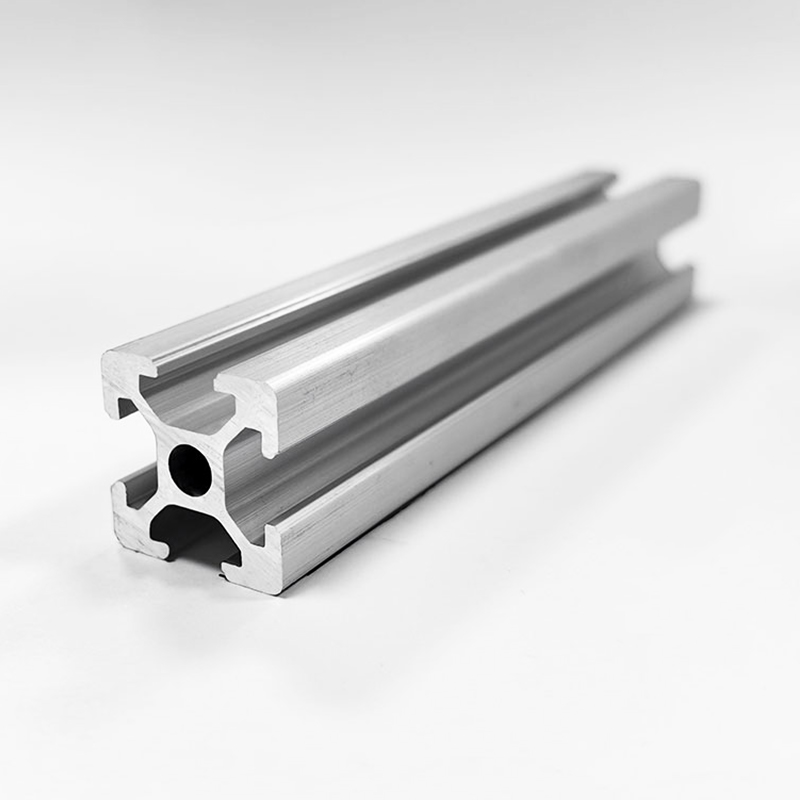
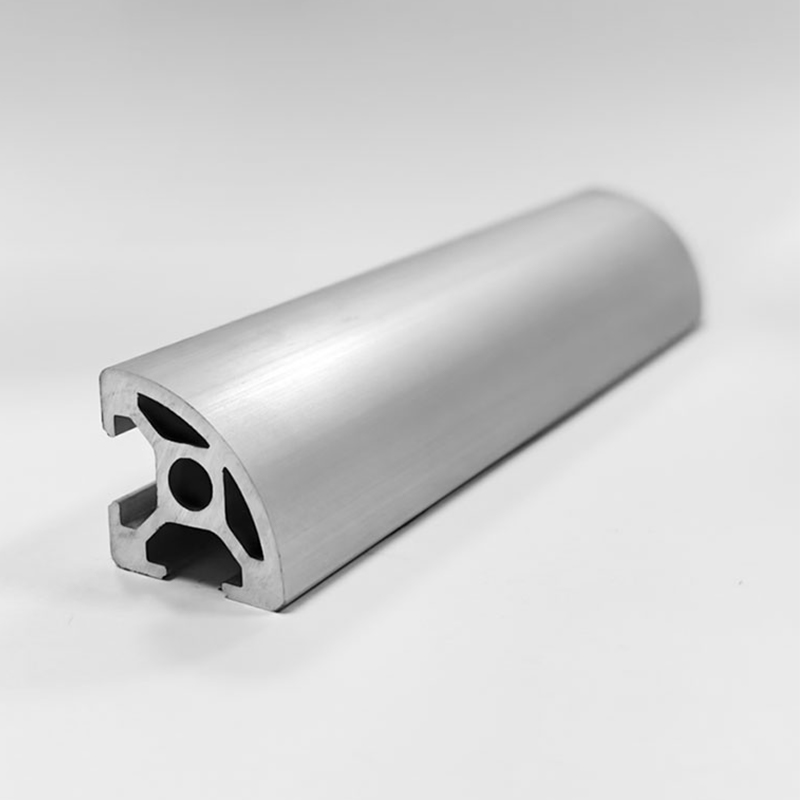
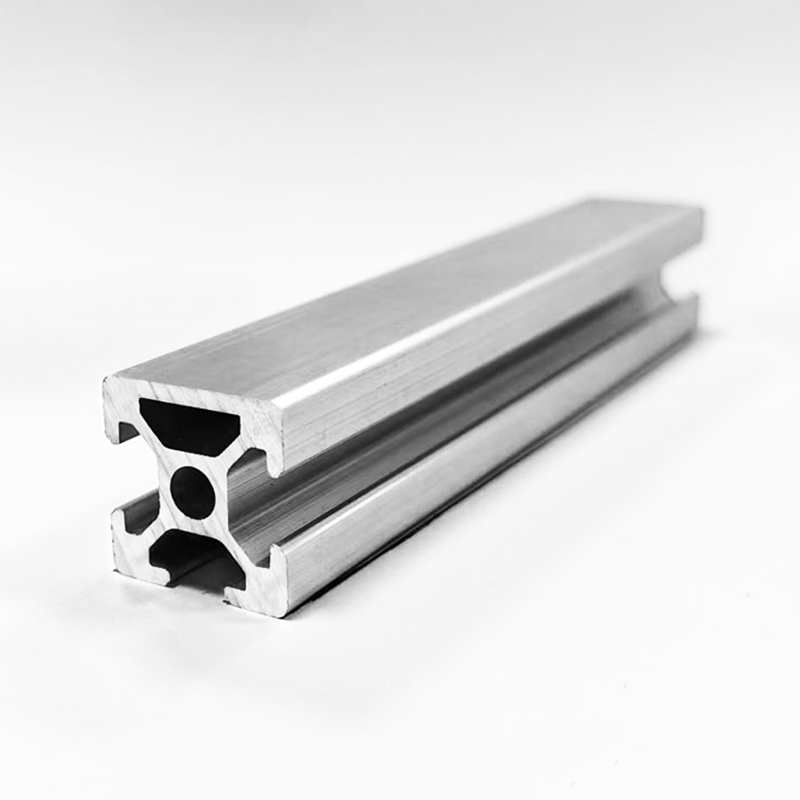
For applications where weight and space are critical, the 15, 20, and 25 series offer compact profiles with 6 mm slots. The 15 Series Aluminum Extrusion Profile is ideal for laboratory instruments and sensor mounts. The 20 Series Aluminum Extrusion Profile is widely used in 3D printer frames and small machine guards. The Custom 25 Series Aluminum Extrusion Profile Manufacturers provide a balance of strength and weight for display systems and medium-duty racks.
Medium-Duty Series: 30, 40, 45
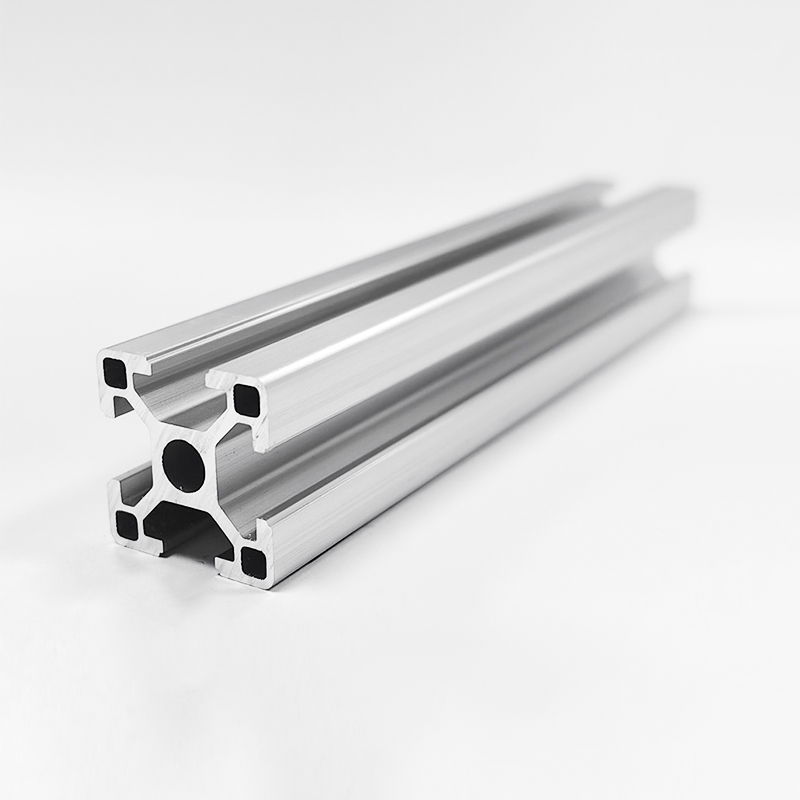
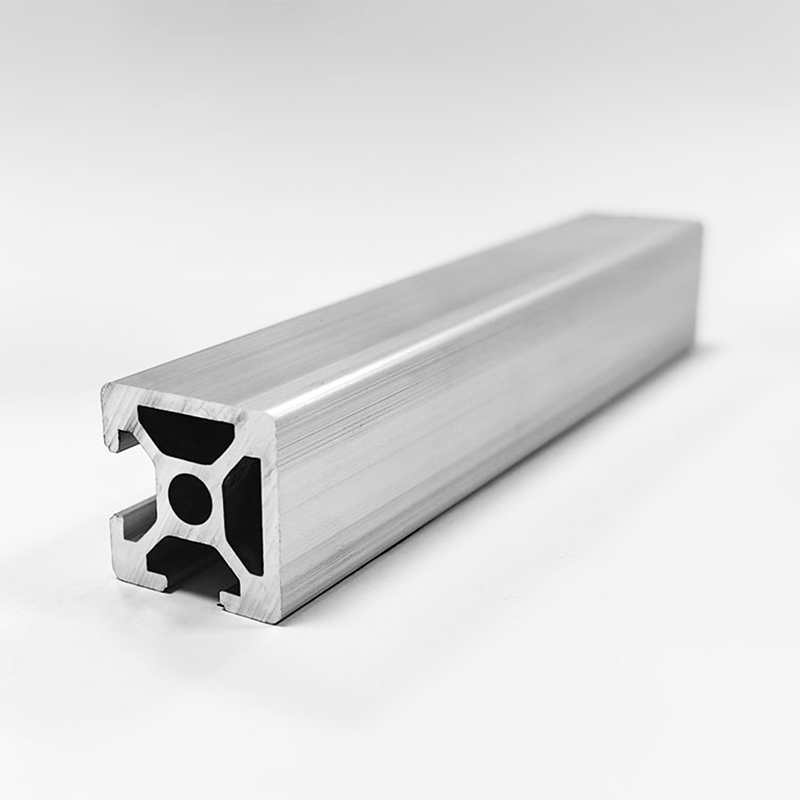
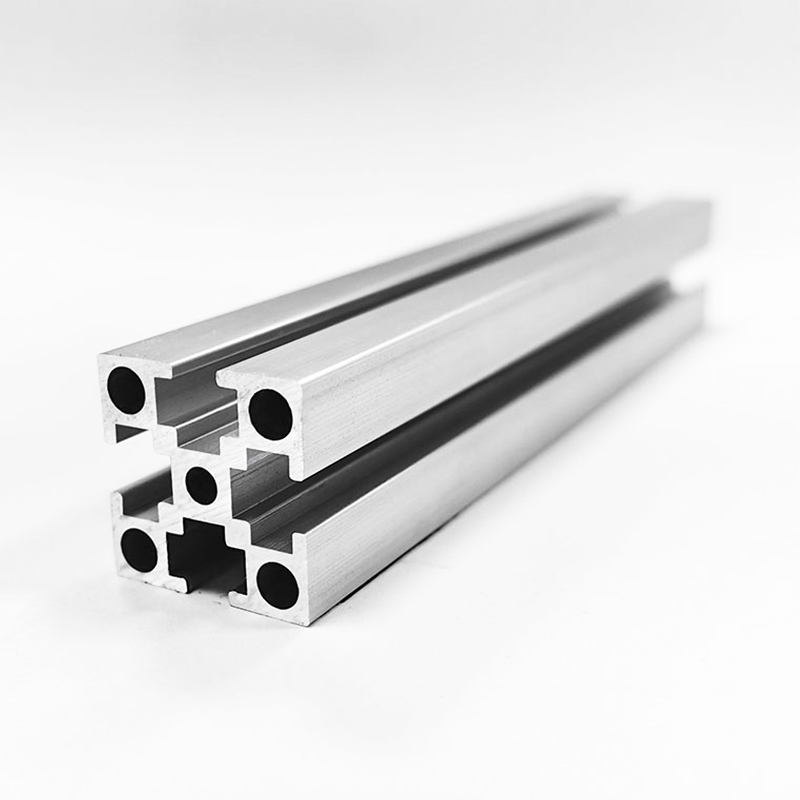
These series are the workhorses of industrial framing. The 30 series (8 mm slot) suits machine frames and conveyors. The 40 series (8 or 10 mm slot) is a global standard for automation bases. The 45 series (10 mm slot) offers higher load capacity for heavy machinery bases. Shortlist 40 series for most automation projects; use 45 series when higher rigidity is needed.
Heavy-Duty Series: 50, 60, 80, 90, 100, 120
For extreme loads and large spans, these series feature thick walls and wide slots (10 mm or more). The 50 Series Aluminum Extrusion Profile is used in welding stations; the 60 Series Aluminum Extrusion Profile supports large automation lines. The 80 Series Aluminum Extrusion Profile and above are for heavy-duty conveyor supports and large-span frames.
Auxiliary Aluminum Profiles
In addition to standard T-slot profiles, Auxiliary Aluminum Profiles include edge trim, corner guards, and reinforcement profiles. These are used to complete framing systems, provide cable management, or add structural support in niche applications.
Material and Surface Treatment
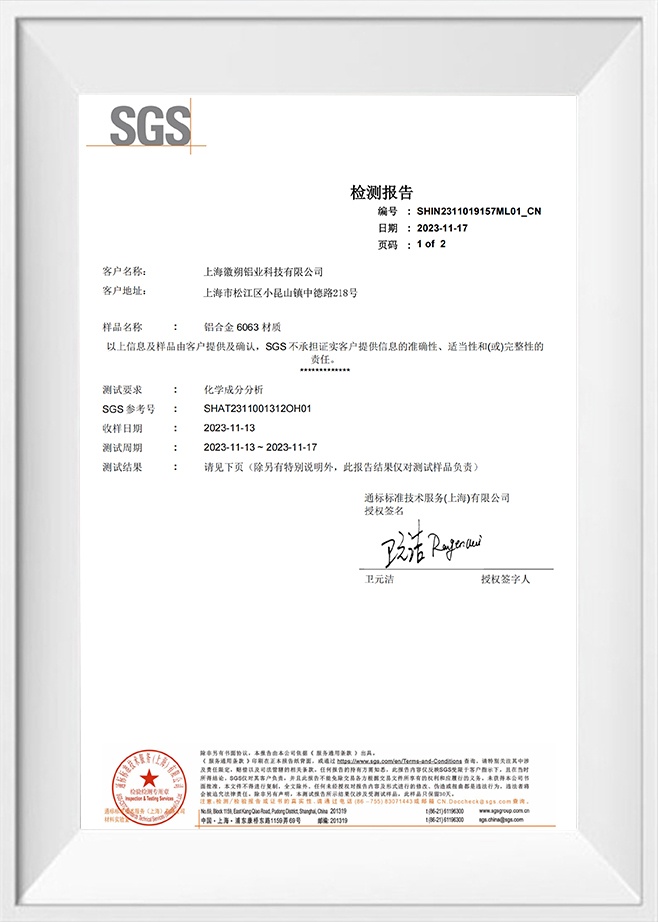
Most industrial profiles are extruded from 6063-T5 aluminum alloy, which offers good strength, corrosion resistance, and extrudability. Standard surface treatments include anodizing (silver or black), powder coating, and electrophoresis. Anodizing provides a hard, wear-resistant layer; powder coating offers color options and additional corrosion protection. Specify the required finish in your RFQ.
Accessories and Integration
To assemble profiles into structures, you need compatible connectors, fasteners, and finishing parts. The Aluminium Profile Accessories range includes connectors, fasteners, finishing parts, assembly parts, and support parts. Ensure the supplier offers a full accessory range to simplify procurement.
Customization and Machining
Many projects require custom lengths, drilling, tapping, or milling. The manufacturer provides Custom Mold Making for non-standard profiles and CNC Aluminum Processing for precision machining. Confirm the supplier's capability for burr-free cutting, tolerance control (e.g., ±0.1 mm), and surface finish.
Buyer RFQ Checklist
- Profile series and cross-section: Specify series (e.g., 4040) and exact dimensions.
- Material grade: 6063-T5 is standard; confirm if 6061 or other alloys are needed.
- Surface treatment: Anodized (clear, black), powder coated (color code), or as-extruded.
- Length and tolerances: Cut lengths with tolerance (e.g., ±0.5 mm).
- Machining requirements: Drilling, tapping, countersinking, or milling – provide drawings.
- Quantity and packaging: Pieces per bundle, protective wrapping for surface finish.
- Accessories: List required connectors, fasteners, end caps, etc.
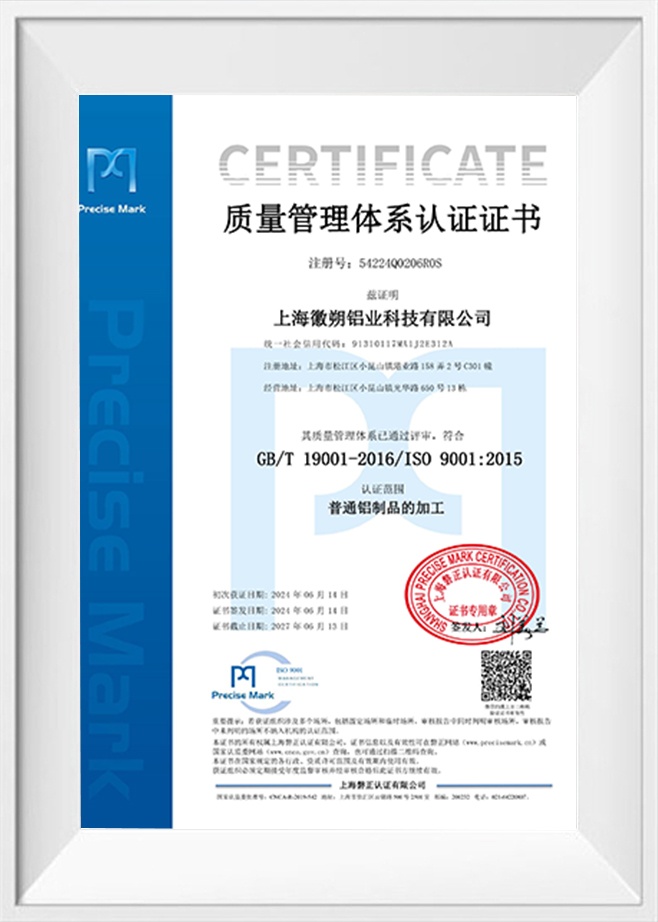
- Certifications: Request material test certificates and quality management system certification (e.g., ISO 9001).
- Lead time and delivery: Confirm production lead time and shipping terms (Incoterms).
- Sample policy: Ask for samples for dimensional and finish approval before mass production.
Supplier Evaluation Criteria
When evaluating an Industrial Aluminum Extrusion Profiles manufacturer, consider:
- Production capacity: Number of extrusion lines and maximum press tonnage (e.g., 600T to 5000T).
- Machining capability: CNC centers with large travel (e.g., up to 6.5 m) and precision (0.01 mm).
- Surface treatment lines: Anodizing, powder coating, electrophoresis – in-house or outsourced.
- Quality control: Tensile testing, hardness testing, dimensional inspection equipment.
- Experience: Years in business and portfolio of custom mold projects.
- After-sales support: Engineering consultation, warranty, and spare parts availability.
Frequently Asked Questions
What is the difference between 40 series and 45 series aluminum extrusion?
The 40 series typically has an 8 mm slot width and is suitable for medium-duty frames. The 45 series has a 10 mm slot and thicker walls, offering higher load capacity and rigidity for heavy industrial applications.
Can I get custom lengths and machining for aluminum profiles?
Yes, most suppliers offer cut-to-length services and CNC machining (drilling, tapping, milling). Provide detailed drawings with tolerances to ensure accurate fabrication.
What surface treatment is best for outdoor use?
For outdoor environments, powder coating or electrophoretic coating provides superior UV and corrosion resistance compared to standard anodizing. Specify the required coating thickness and color.
How do I select the correct profile series for my load requirements?
Calculate the maximum bending moment and deflection based on the span and load. Use supplier-provided load tables or consult engineering support. For light loads, 20 or 25 series; for medium loads, 30 or 40 series; for heavy loads, 50 series and above.
What accessories are needed to assemble a frame?
Basic accessories include T-nuts, bolts, corner brackets, and end caps. For structural integrity, use heavy-duty connectors and gusset plates. The supplier's accessory catalog should match the profile series.
What is the typical lead time for custom aluminum profiles?
Lead time depends on mold making (if new cross-section), extrusion, machining, and surface treatment. Standard profiles with simple cutting can ship in 1-2 weeks; custom profiles may take 4-6 weeks. Confirm with the supplier.


 English
 Español