
 English
 Español



16+
Years in aluminum profile customization
3
Production bases in Shanghai, Anhui, Jiangsu
30,000
Square meters of production area
1
Stop service from extrusion to assembly
Product Overview
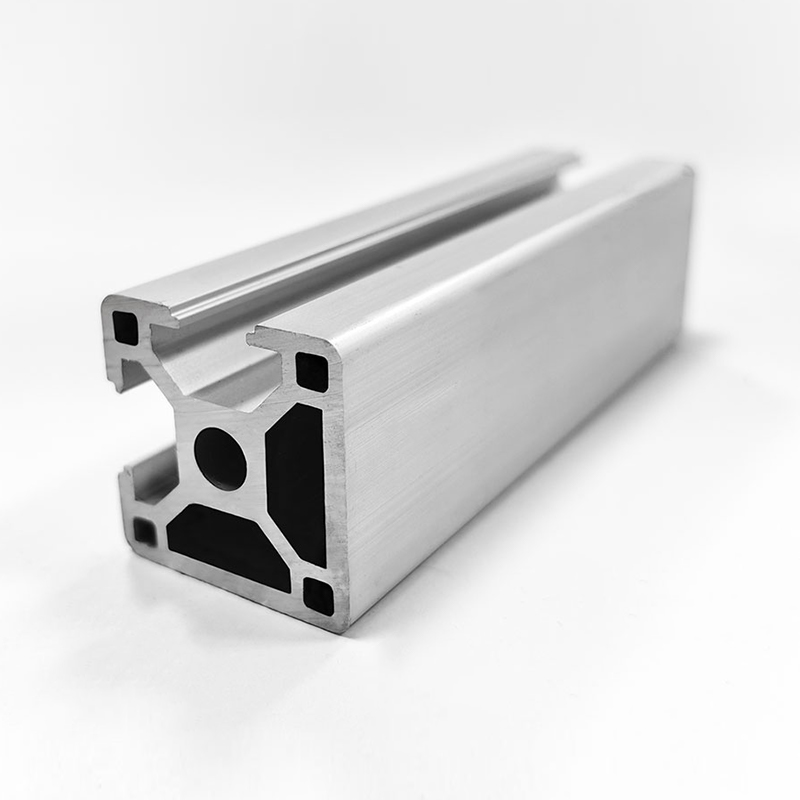
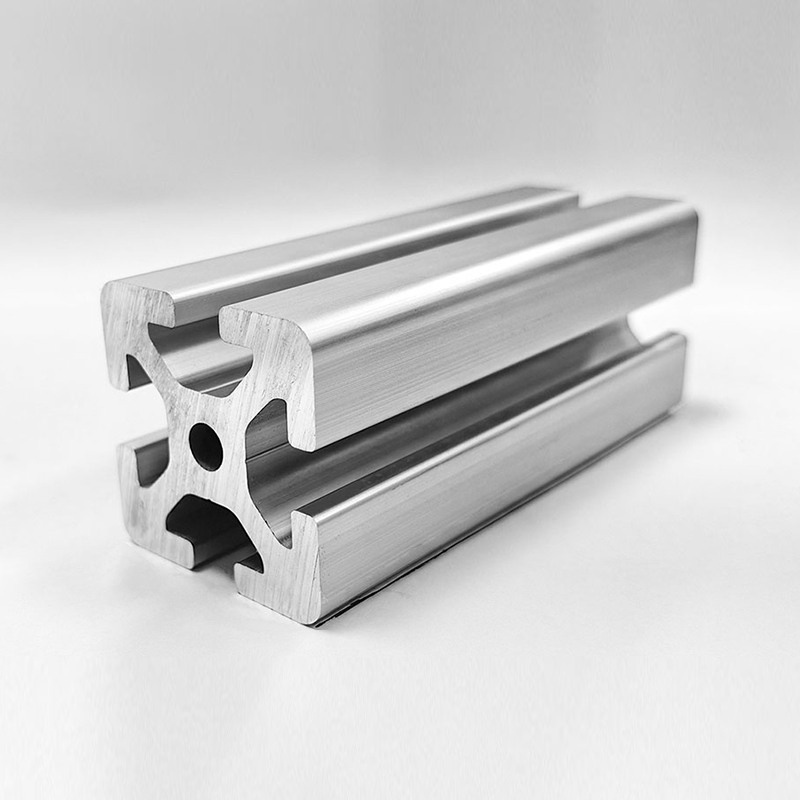
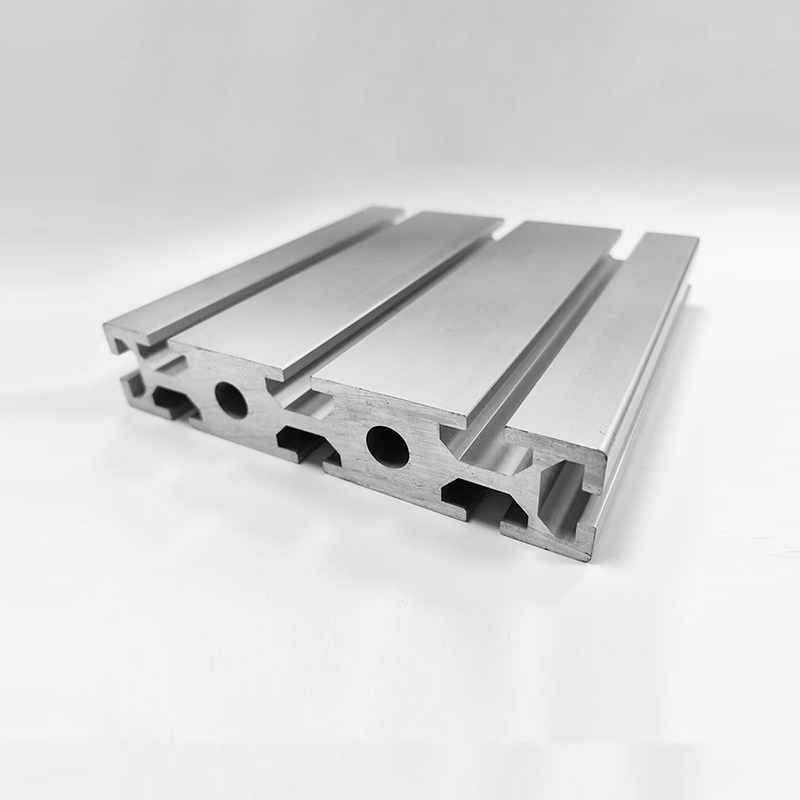
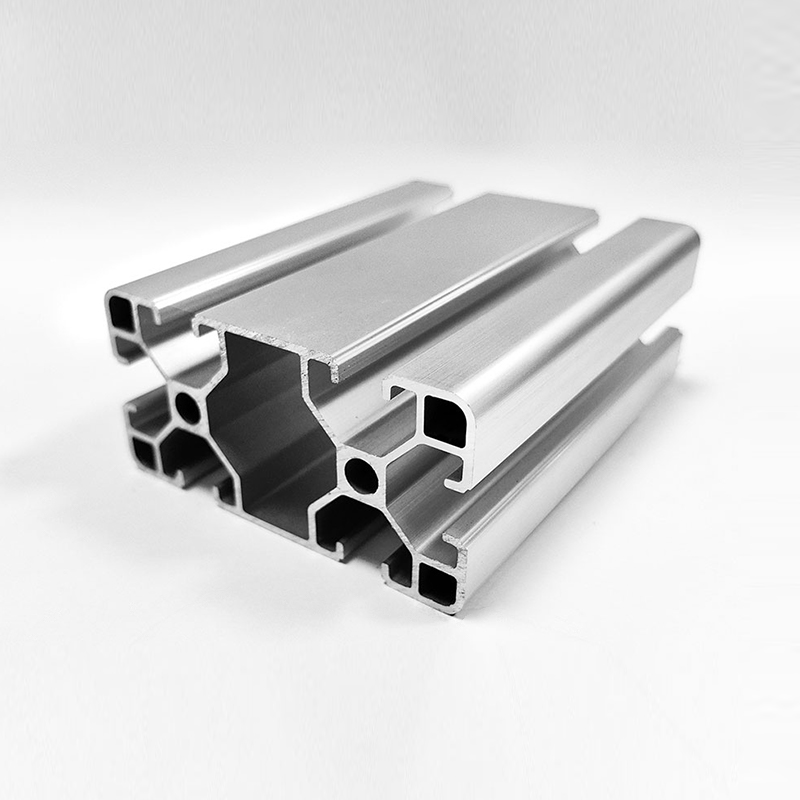
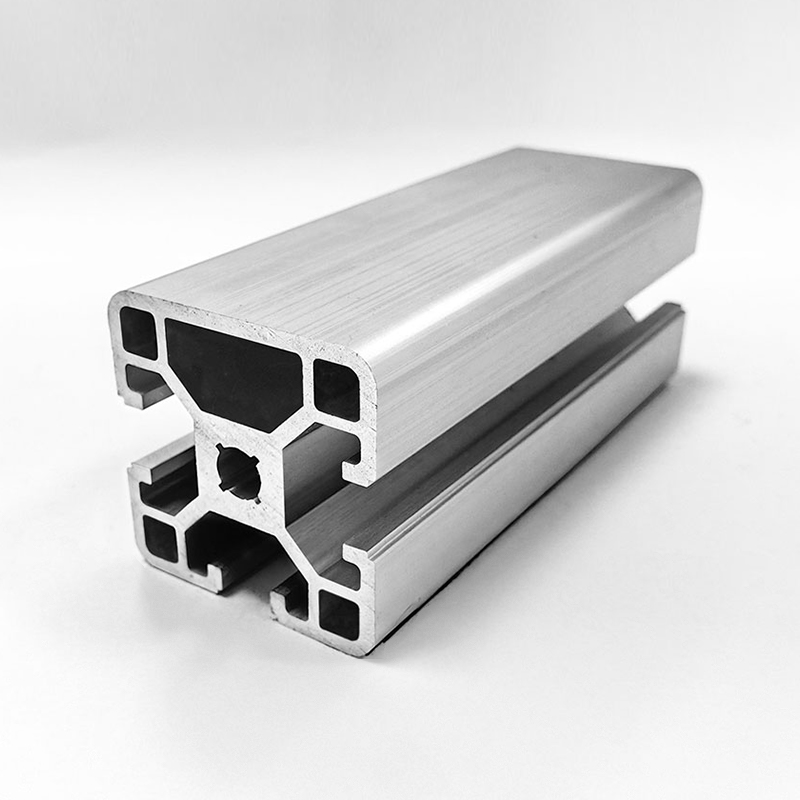
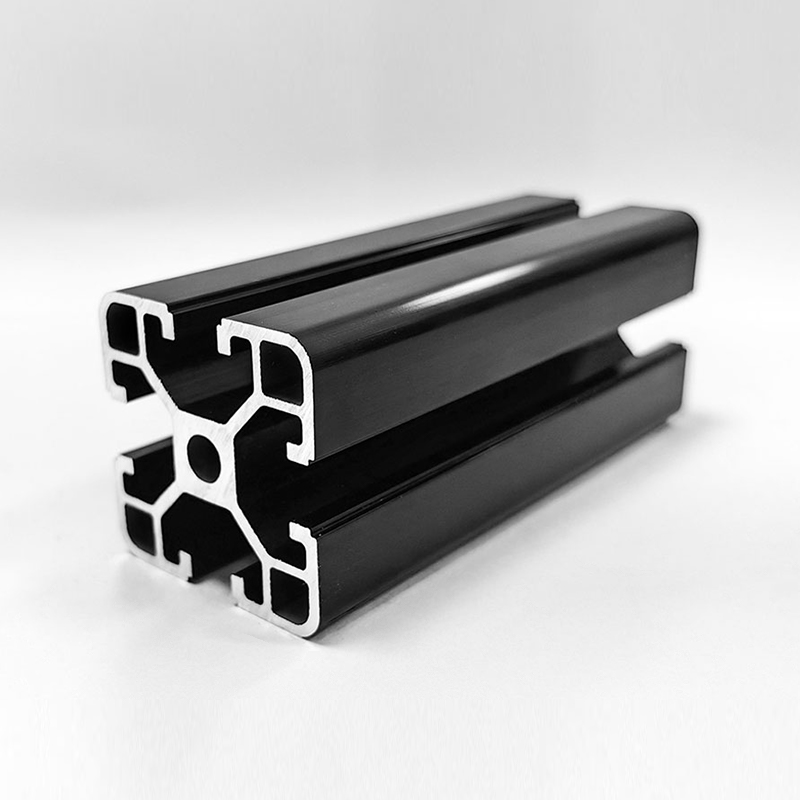
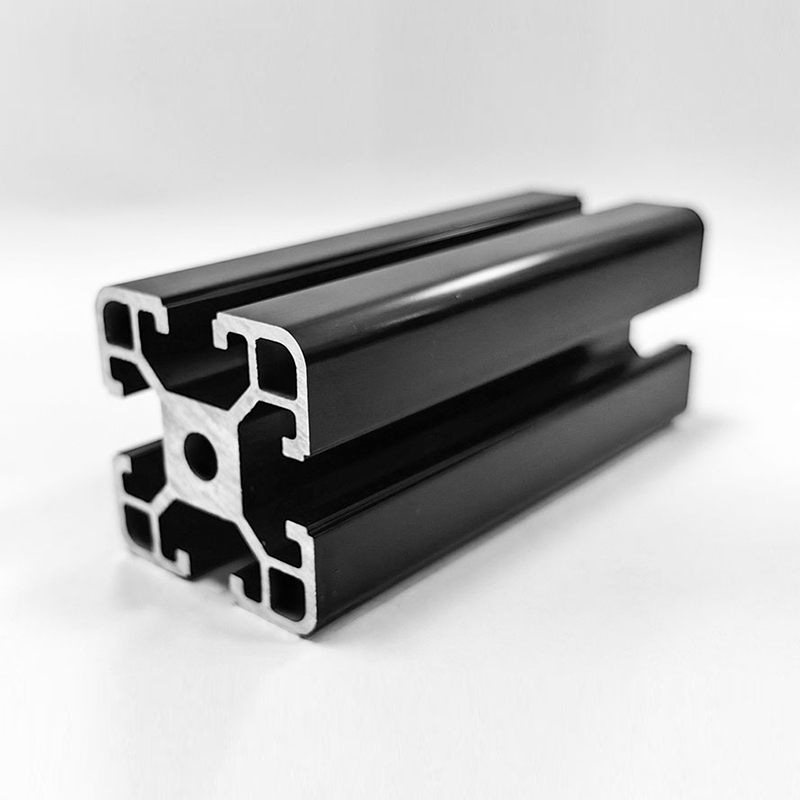
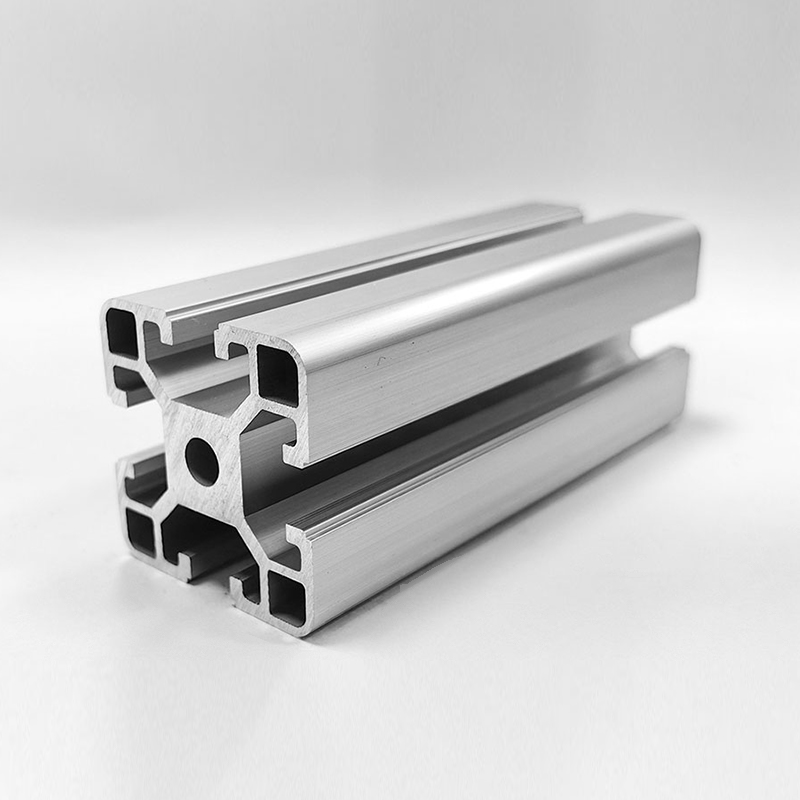
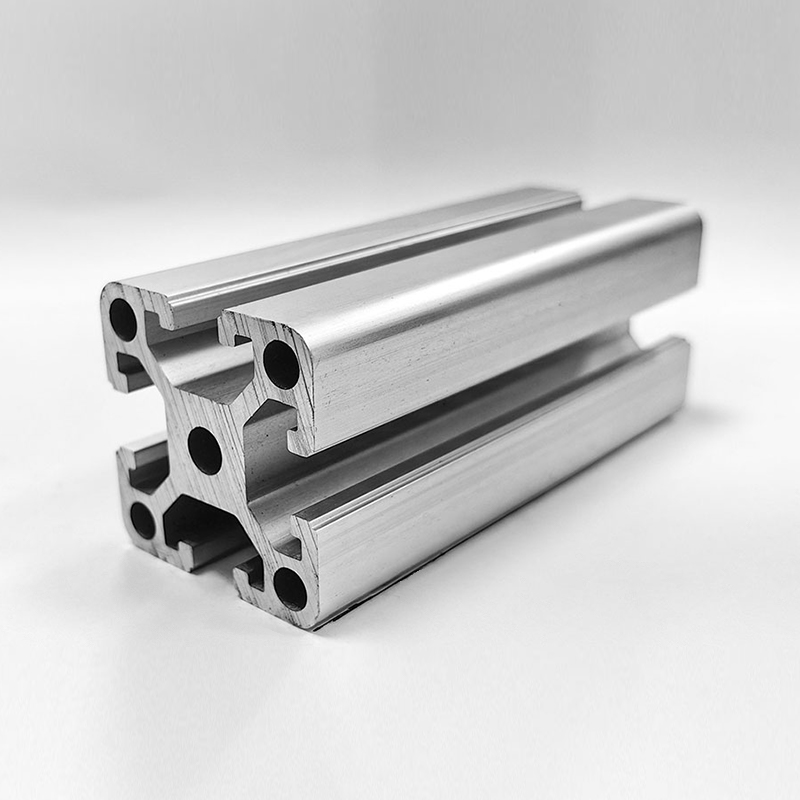
Heavy duty industrial profiles are made from aluminum alloys such as 6061, 6005, and 6063, with cross-sections developed for structural applications. Compared with standard profiles, they typically use larger outer dimensions, thicker walls, and reinforced internal ribs to increase stiffness and load capacity.
These profiles are produced through hot extrusion, then cut and machined according to drawings. Options include anodizing, electrophoresis, spraying, and brushing for surface protection. Huishuo Aluminum handles mold design, extrusion, CNC machining, and surface treatment within its own facilities, which supports consistency across production batches.
Design and Processing Support
Heavy duty profiles often require coordinated design between the profile cross-section and the connection points. Huishuo Aluminum provides aluminum frame design and assembly as part of its one-stop services, allowing profile selection, machining, and assembly to be reviewed together.
For non-standard cross-sections, the company provides custom mold making. The process includes mold design, development, and extrusion molding for special shapes and functional requirements. Customers can supply drawings or samples for evaluation before production.
CNC precision machining covers drilling, milling, cutting, tapping, and bending, with stable dimensions and controllable tolerances according to drawing requirements.
Core Advantages
Product Characteristics
| Material | Aluminum alloy 6061, 6005, 6063, or specified grade |
| Wall Thickness | Thicker walls available according to load requirements |
| Cross-Section | Standard heavy series and custom designs |
| Surface Treatment | Anodizing, electrophoresis, powder coating, brushing, or mill finish |
| Length | Custom cut to specified dimensions |
| Machining | Drilling, milling, cutting, tapping, bending |
| Tolerance | Controllable according to drawing requirements |
| Connection Method | T-slot nuts, brackets, bolts, or specified fasteners |
Application Scenarios
Common Questions and Solutions
How do I determine whether a heavy duty profile is needed?
Selection depends on load, span, connection method, and deflection limits. Heavy duty profiles are used when standard profiles do not provide sufficient stiffness or load capacity. Huishuo Aluminum can review drawings and load conditions to support profile selection.
Can heavy duty profiles be produced in custom cross-sections?
Yes. Huishuo Aluminum provides custom mold making for irregular profiles, including heavy duty cross-sections. The process includes mold design, development, and extrusion molding. Customers can supply drawings or samples for evaluation.
What machining operations are available for heavy duty profiles?
Huishuo Aluminum provides CNC precision machining including drilling, milling, cutting, tapping, and bending. Machining is performed according to customer drawings with stable dimensions and controllable tolerances.
What surface treatments can be applied to heavy duty profiles?
Available treatments include anodizing, electrophoresis, spraying, and brushing. These treatments support corrosion resistance, wear resistance, and appearance. Huishuo Aluminum operates oxidation and spraying lines in-house.
Do you provide frame assembly for heavy duty profiles?
Yes. Huishuo Aluminum offers aluminum frame design and assembly as part of its one-stop services. This includes designing frame structures, supplying profiles and connectors, and assembling frames according to customer requirements.
What information is needed to quote a heavy duty profile order?
Useful information includes the cross-section drawing, material grade, length, quantity, machining operations, surface treatment requirements, and tolerance requirements. Providing these details allows Huishuo Aluminum to review feasibility and prepare a quotation.
Precautions for Use
Store heavy duty industrial profiles in a dry, ventilated area. Avoid contact with sharp objects that may damage the surface. When cutting or machining, follow safety procedures and use appropriate tools. For load-bearing structures, verify the structural design with qualified personnel. Ensure that fasteners are correctly tightened and that connections are checked periodically. Clean with mild detergent and a soft cloth. Avoid abrasive cleaners on treated surfaces. Handle profiles with care during transport and assembly to reduce surface damage.
