
 English
 Español

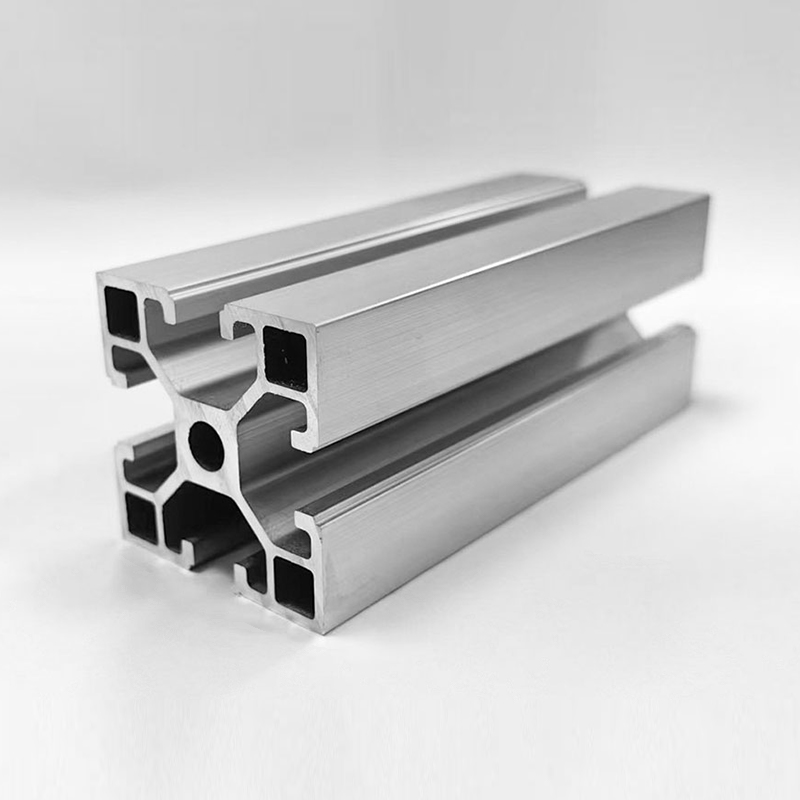

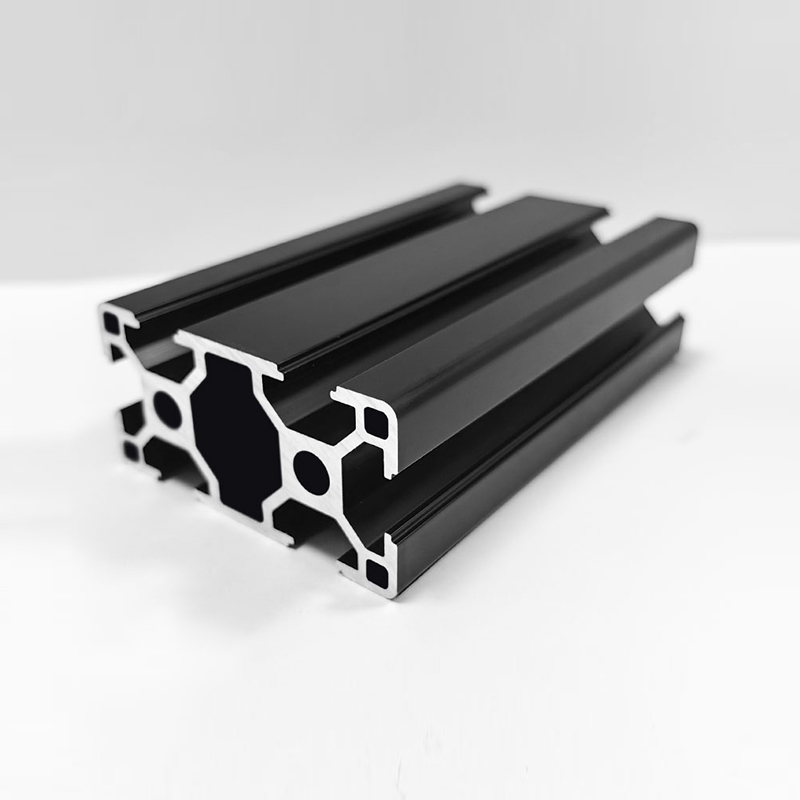
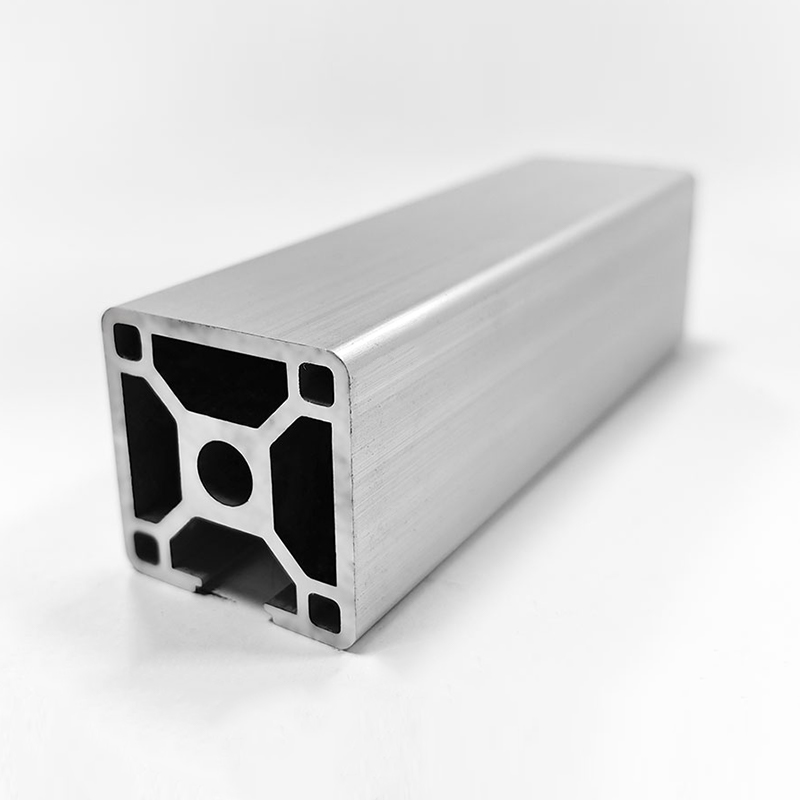
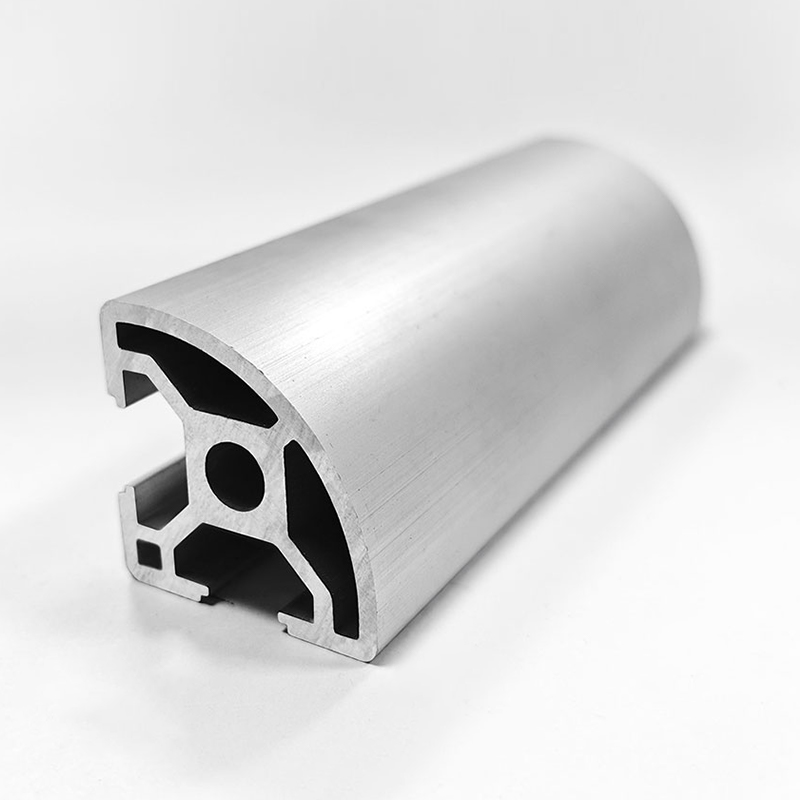
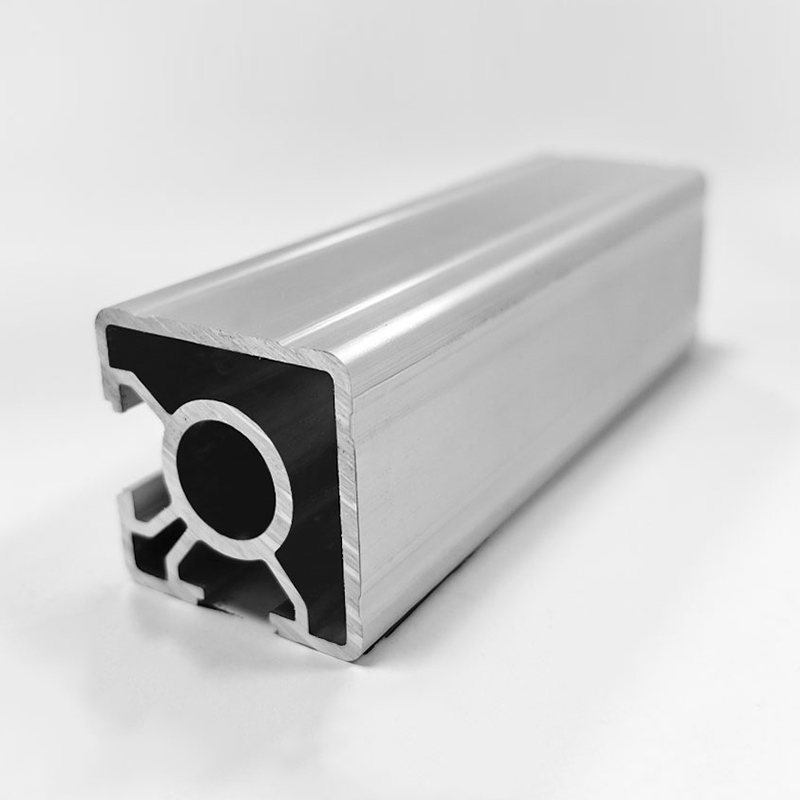
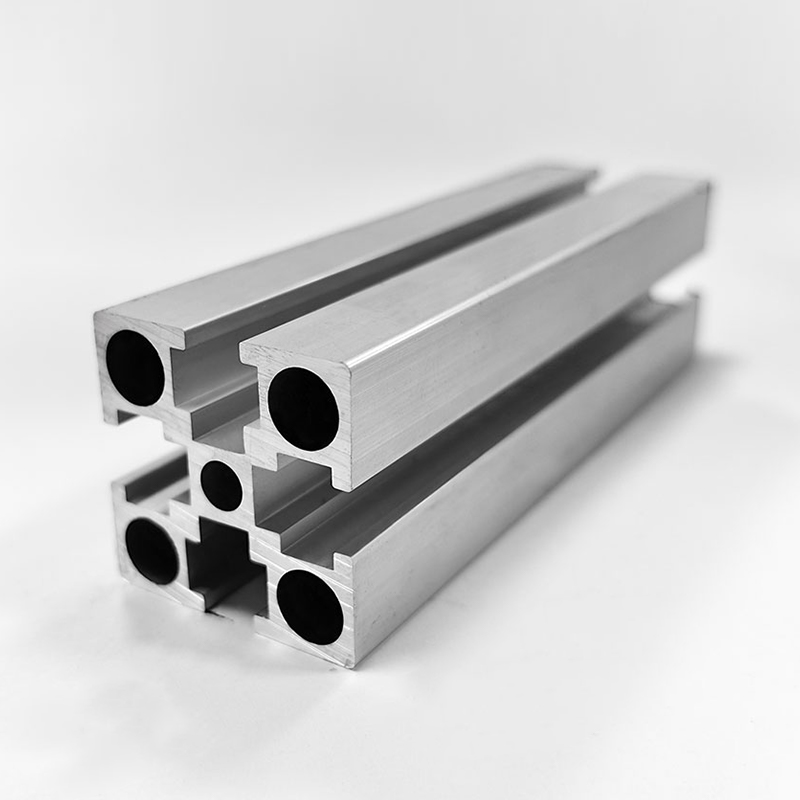
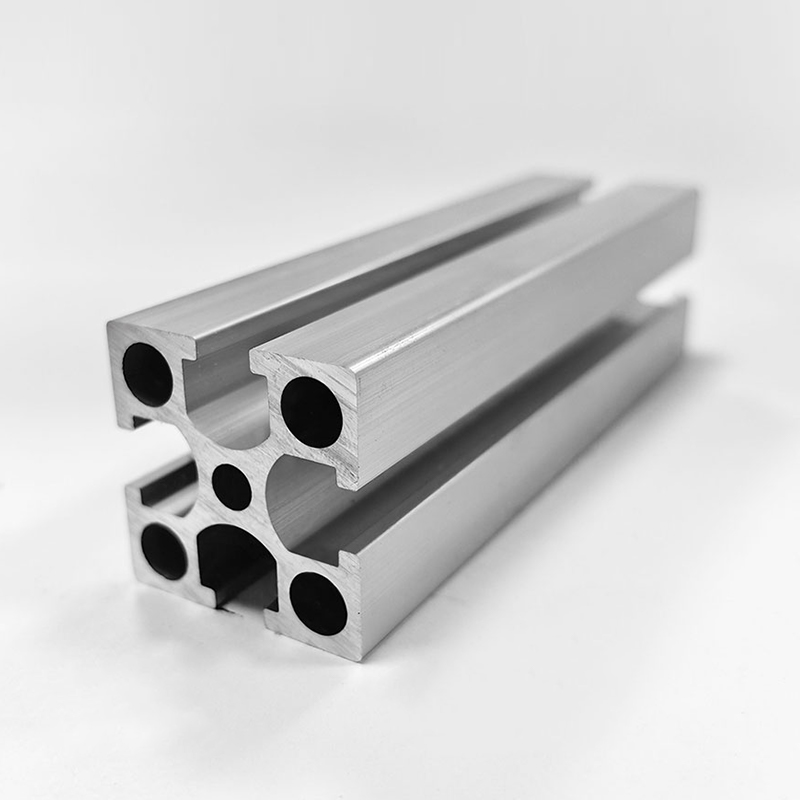
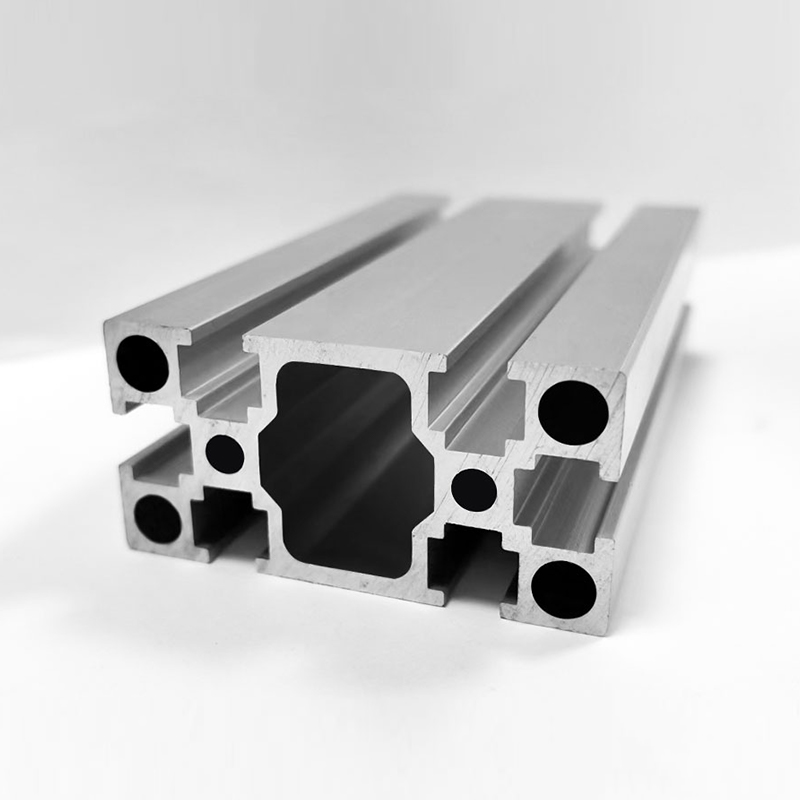
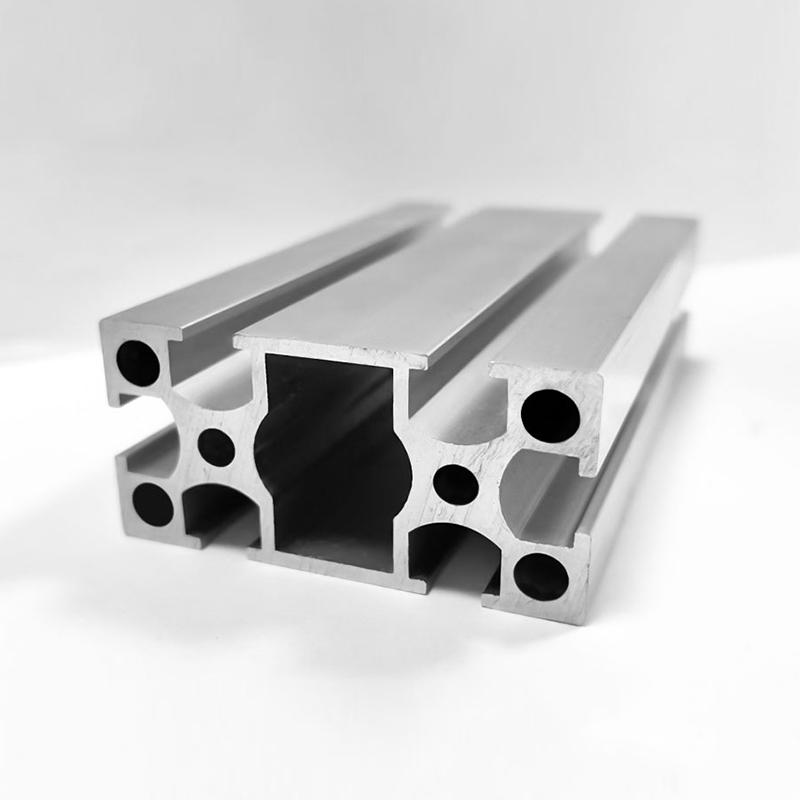
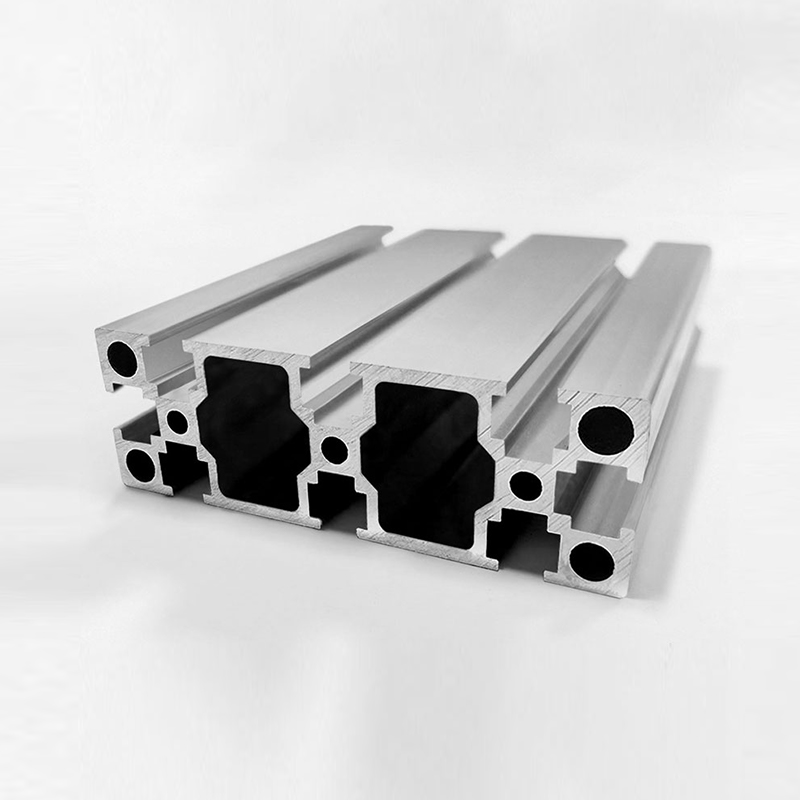
Corner Radius Aluminum Extrusions
Corner radius aluminum extrusions are aluminum profiles produced with controlled rounding at the outer corners of the cross-section. Shanghai Huishuo Aluminum Technology Co., Ltd. manufactures these profiles at its three production bases in Shanghai, Anhui, and Jiangsu, covering approximately 30,000 square meters. With over 16 years of aluminum profile customization and processing experience, the company supplies corner radius profiles in standard series and custom cross-sections, with in-house mold making, CNC precision machining, surface treatment, and frame assembly services.
16+
Years in aluminum profile customization
3
Production bases in Shanghai, Anhui, Jiangsu
30,000
Square meters of production area
1
Stop service from extrusion to assembly
Product Overview
Corner radius aluminum extrusions are profiles where the outer corners of the cross-section are rounded to a specified radius. The radius is formed in the extrusion die, so the rounded corner is produced as part of the profile rather than added through secondary machining. This feature is used where a smooth outer edge is required for handling, appearance, or assembly clearance.
The corner radius can be specified together with other cross-section features such as walls, cavities, slots, and ribs. Because the radius is built into the die, it is controlled within the extrusion tolerance and remains consistent along the length of the profile. Huishuo Aluminum produces corner radius profiles from alloys such as 6063, 6005, and 6061.
Surface treatment options include anodizing, electrophoresis, powder coating, and brushing. Profiles can be cut, drilled, milled, tapped, and bent according to drawings. Custom cross-sections with specified corner radii are developed through in-house mold design and extrusion molding.
Why Corner Radius Matters
Rounded outer corners change how a profile behaves in handling, assembly, and appearance compared with sharp corners. The main considerations include:
- Reduced risk of edge damage during transport and assembly
- Smoother contact surfaces where hands or cables pass along the profile
- Consistent appearance along the length of the extrusion
- Clearance for mating parts and hardware near the profile edge
- Die design that controls the radius within extrusion tolerance
Specifying Corner Radius
Corner radius is specified on the cross-section drawing together with the outer dimensions and wall thickness. Points to confirm include:
- Which corners require a radius and which remain sharp
- The nominal radius value and acceptable tolerance
- Whether the radius applies to an outer corner or an internal corner
- Relationship between the radius and adjacent features such as slots
- Surface treatment effect on final edge appearance
Core Advantages
01
Over 16 years of experience in aluminum profile customization and processing
02
Three production bases in Shanghai, Anhui, and Jiangsu covering approximately 30,000 square meters
03
In-house mold design and development, including corner radius features in the die
04
One-stop services: extrusion, mold making, CNC machining, surface treatment, and frame assembly
05
CNC precision machining with stable dimensions and controllable tolerances
06
Production capacity that supports large-volume and urgent orders
Product Characteristics
Corner Feature
Outer corner radius formed in the extrusion die
Material
Aluminum alloy 6063, 6005, 6061, or specified grade
Radius Value
Specified according to drawing requirements
Cross-Section
Standard series and custom designs with corner radius
Surface Treatment
Anodizing, electrophoresis, powder coating, brushing, or mill finish
Length
Custom cut to specified dimensions
Machining
Drilling, milling, cutting, tapping, bending
Tolerance
Controllable according to drawing requirements
Application Scenarios
Common Questions and Solutions
How is the corner radius produced on an aluminum extrusion?
The corner radius is formed in the extrusion die. The die opening includes the rounded corner geometry, so the radius is produced as the aluminum passes through the die. This means the radius is consistent along the length of the profile and is controlled within the extrusion tolerance.
Can the corner radius be different on different corners of the same profile?
Yes. The cross-section drawing can specify different radii for different corners, and corners that are not rounded remain sharp. Huishuo Aluminum reviews the drawing and die design together to confirm that the specified corner features can be produced as required.
Does the corner radius affect surface treatment appearance?
Surface treatment follows the profile geometry, including the rounded corners. Anodizing, electrophoresis, spraying, and brushing can be applied to corner radius profiles. The final appearance of the rounded edge depends on the treatment selected and the surface preparation before treatment.
Can corner radius profiles be machined after extrusion?
Yes. Huishuo Aluminum provides CNC precision machining including drilling, milling, cutting, tapping, and bending. Machining is performed according to customer drawings with stable dimensions and controllable tolerances.
Can you produce custom cross-sections with a specified corner radius?
Yes. Huishuo Aluminum provides custom mold making for irregular profiles, including cross-sections with specified corner radii. The process includes mold design, development, and extrusion molding. Customers can supply drawings or samples for evaluation.
What information is needed to quote a corner radius profile order?
Useful information includes the cross-section drawing with corner radius values, material grade, length, quantity, machining operations, surface treatment requirements, and tolerance requirements. Providing these details allows Huishuo Aluminum to review feasibility and prepare a quotation.
Precautions for Use
Store corner radius aluminum extrusions in a dry, ventilated area. Avoid contact with sharp objects that may damage the surface. When cutting or machining, follow safety procedures and use appropriate tools. For load-bearing structures, verify the structural design with qualified personnel. Confirm that the specified corner radius matches the mating parts and hardware before assembly. Ensure that fasteners are correctly tightened and that connections are checked periodically. Clean with mild detergent and a soft cloth. Avoid abrasive cleaners on treated surfaces. Handle profiles with care during transport and assembly to reduce surface damage.
