
 English
 Español
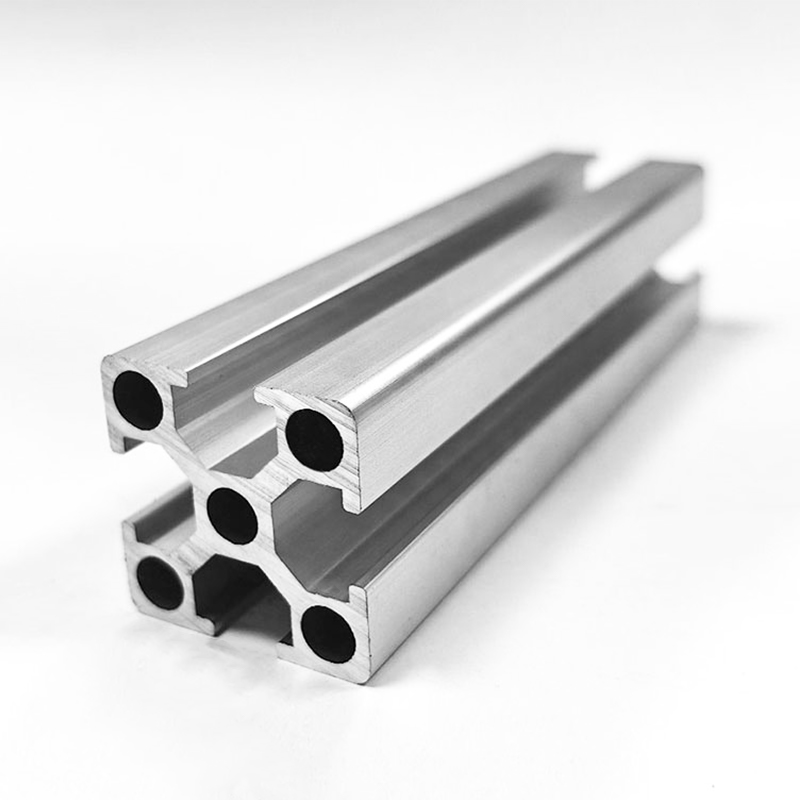

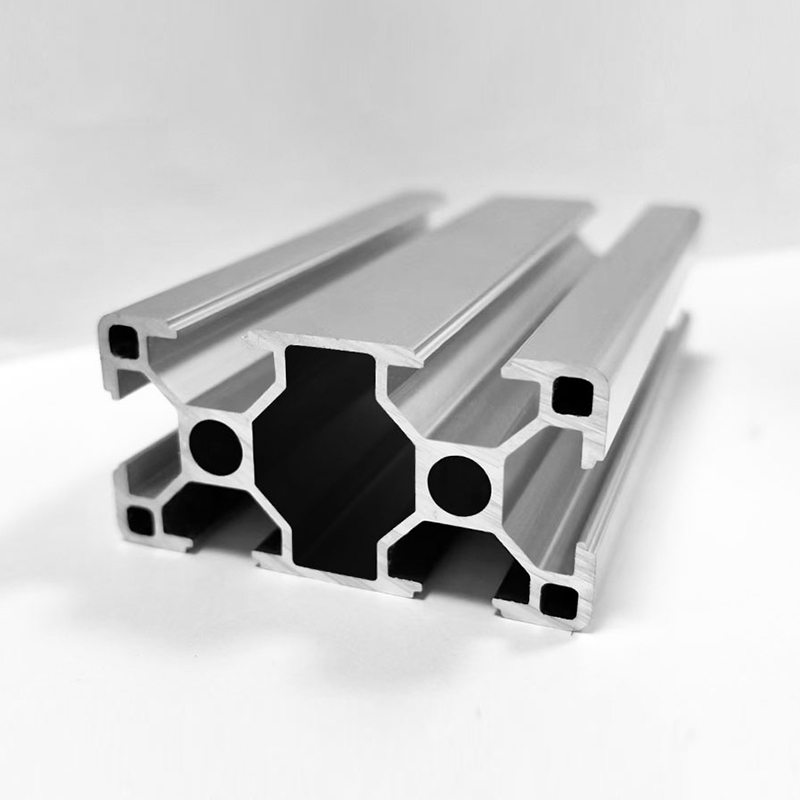
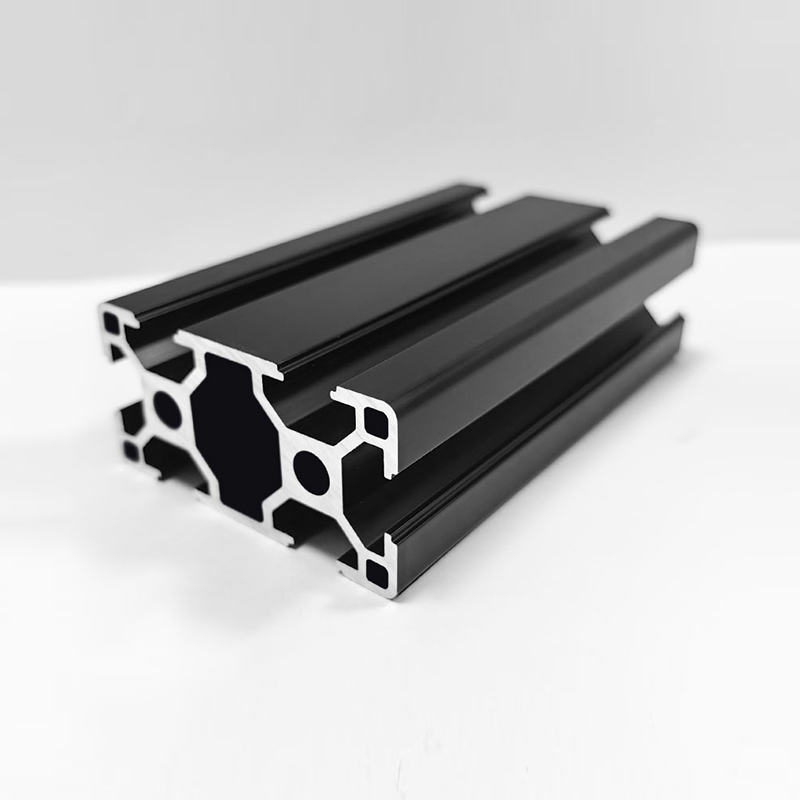
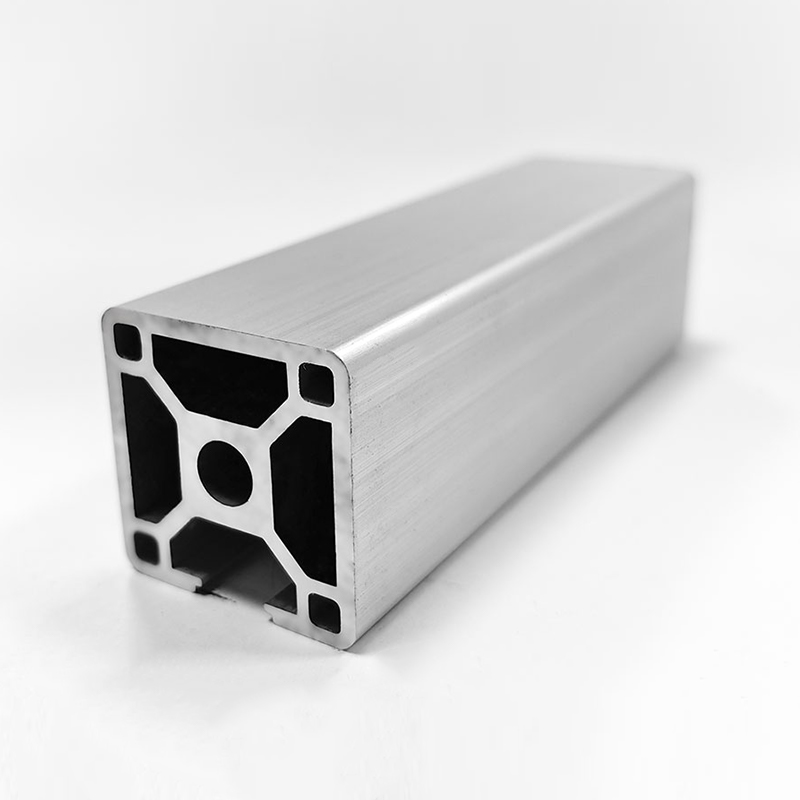
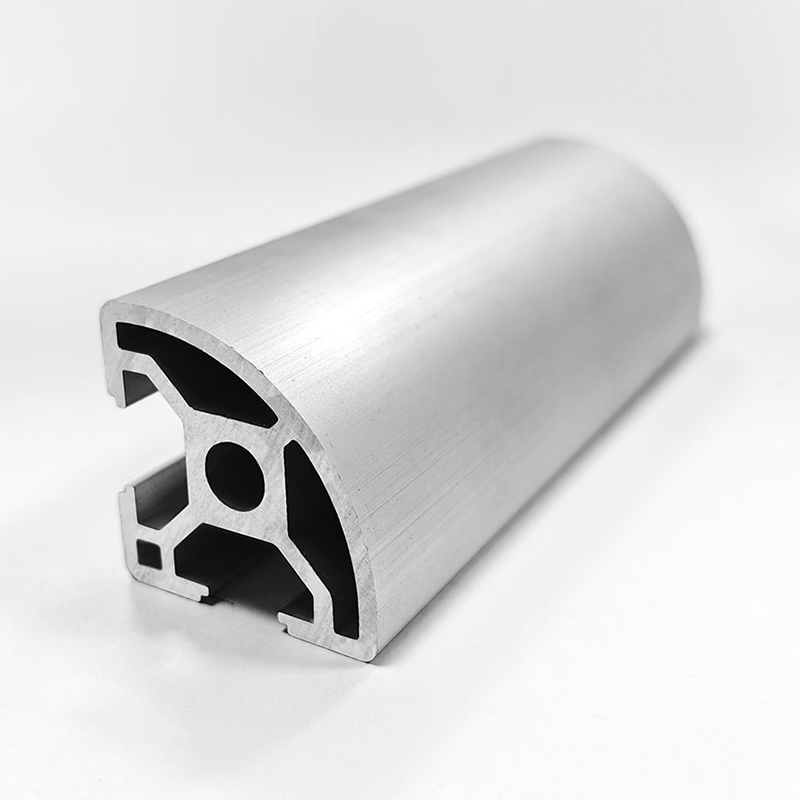
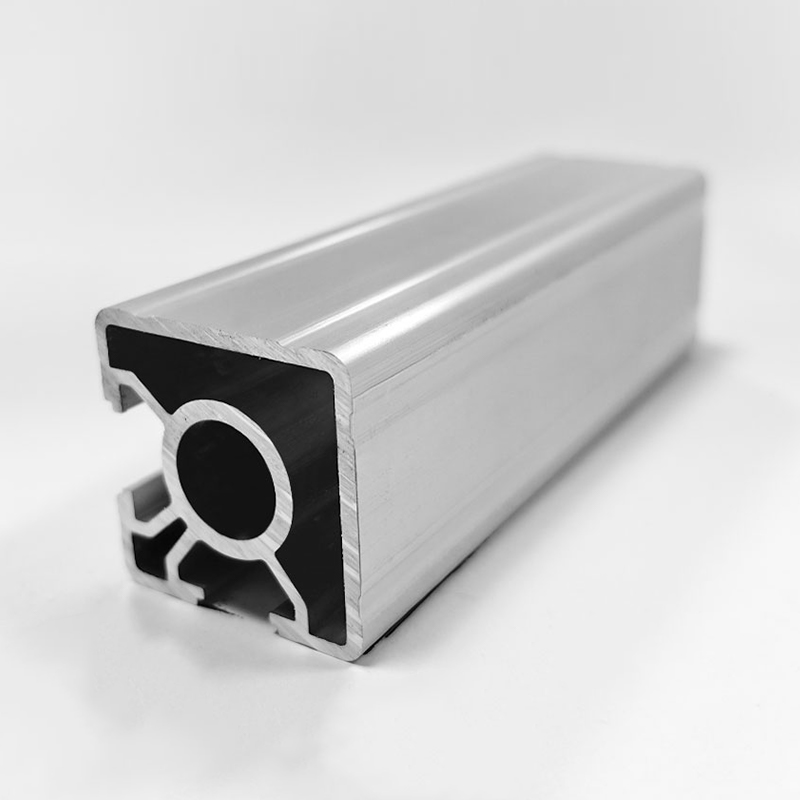
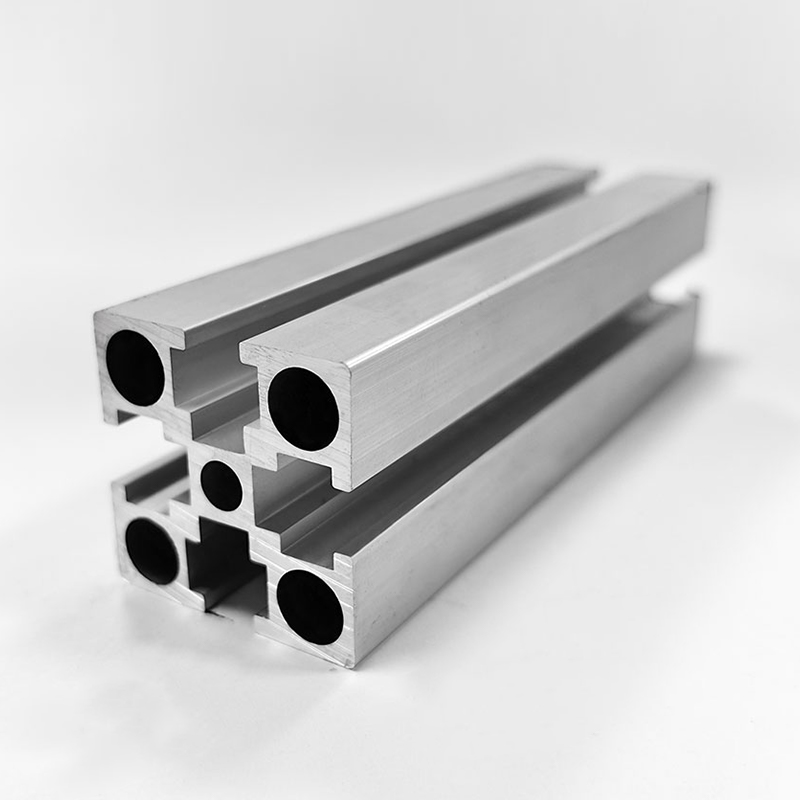
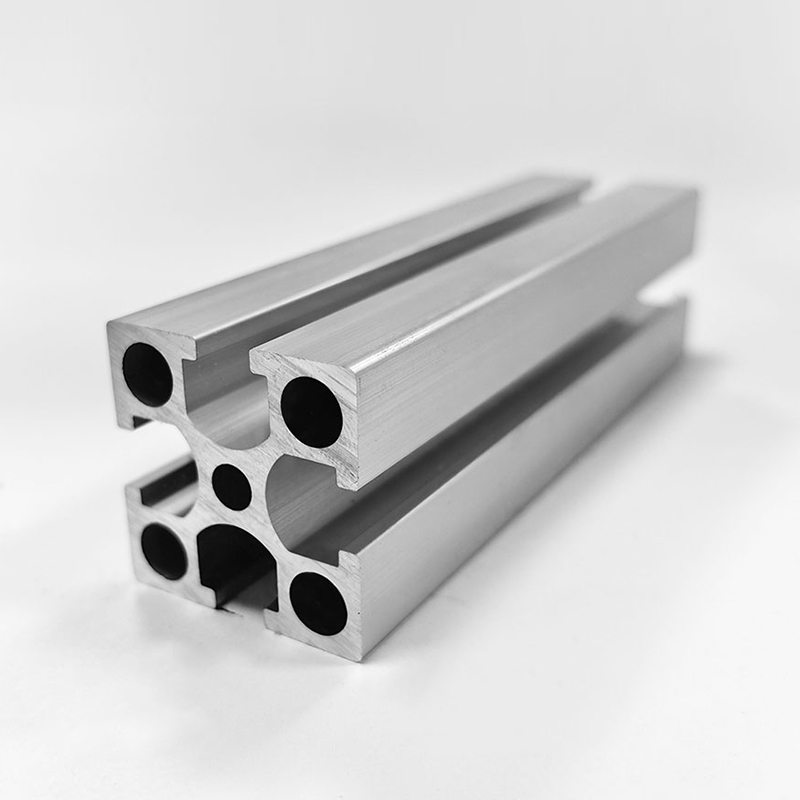
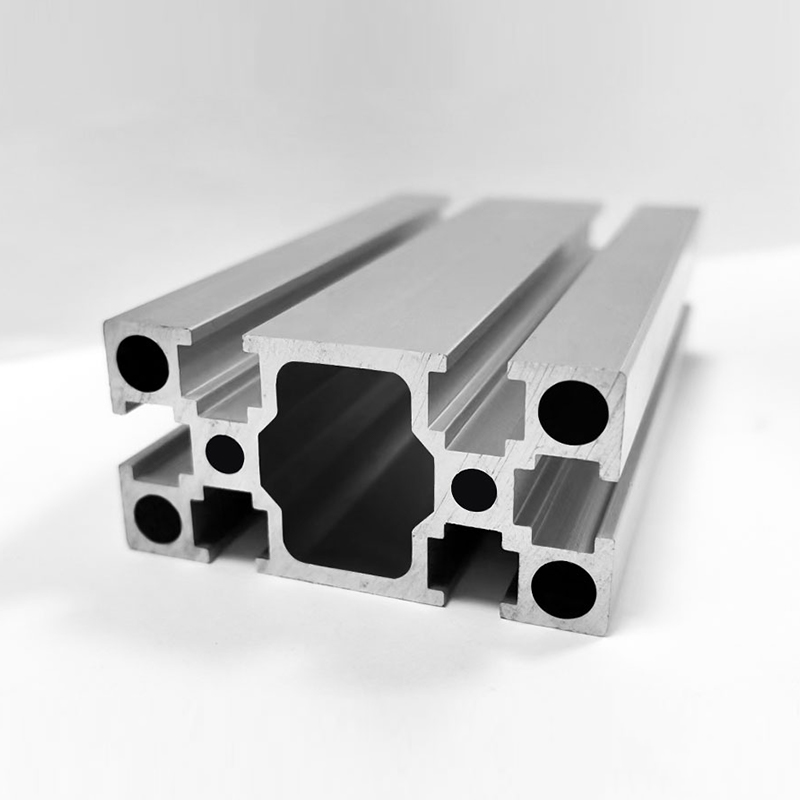
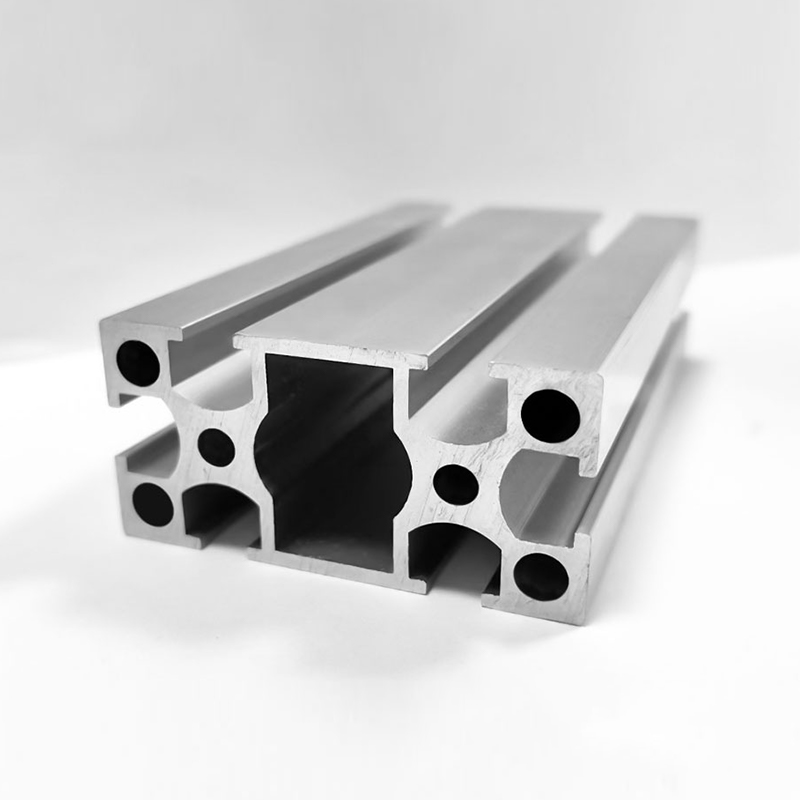
Automotive Lightweight Aluminum Extrusion
Automotive Lightweight Aluminum Extrusion is an aluminum profile series developed for vehicle body structures, battery enclosures, chassis components and interior support frames where weight reduction and structural strength are required together. Produced through precision extrusion and CNC processing, the profile series maintains dimensional accuracy while achieving reduced mass compared with steel components of equivalent function. Shanghai Huishuo Aluminum Industry Technology Co Ltd operates three production bases in Shanghai, Anhui and Jiangsu covering approximately 30000 square meters, with over 16 years of experience in industrial aluminum profile customization and processing. The company provides one stop services including profile extrusion, mold development, CNC machining, surface treatment and frame assembly, supporting customers across automotive, new energy vehicle and transportation equipment industries. Automotive Lightweight Aluminum Extrusion is available in multiple alloy grades and cross section designs to match different structural load and weight targets.
Core Advantages
- Extruded from 6063 and 6061 aluminum alloy with selectable temper for different strength requirements
- Reduced component weight compared with steel parts of equivalent structural function
- Complex cross section shapes achievable through custom mold development
- Corrosion resistant surface treatment options suitable for exterior and underbody applications
- Dimensional consistency maintained through precision extrusion and CNC finishing
- Compatible with welding, riveting, bolting and adhesive bonding assembly methods
Product Features
| Material | 6063 or 6061 aluminum alloy with selectable temper |
| Application Area | Body structure battery enclosure chassis and interior frame components |
| Cross Section | Standard and custom profile shapes including hollow and multi cavity designs |
| Surface Treatment | Anodizing chromate conversion coating or powder coating |
| Wall Thickness | 1 mm to 5 mm depending on structural requirement |
| Standard Length | Up to 6000 mm with custom cutting available |
| Tolerance | Controlled through CNC precision processing |
| Processing Options | Cutting drilling punching bending and mold customization |
Application Scenarios
- Electric vehicle battery enclosure frames
- Body structural reinforcement components
- Chassis crossmembers and subframe parts
- Interior seat frame and support structures
- Bumper beam and crash energy absorption structures
- Roof rail and door frame reinforcement members
Frequently Asked Questions
Which alloy grade should be selected for structural components
Alloy grade selection depends on the required strength to weight ratio and forming method. 6061 alloy is commonly selected for higher strength structural applications while 6063 alloy is suited to complex cross sections with moderate strength needs.
Can the extrusion be customized for specific vehicle designs
Custom mold development is available to produce cross sections matching specific structural and packaging requirements of a vehicle platform.
What surface treatment is recommended for underbody parts
Chromate conversion coating combined with additional protective coating is commonly used for underbody and exterior exposed components to improve corrosion resistance.
Is the profile compatible with welding assembly
The profile series supports welding as well as riveting bolting and adhesive bonding depending on the assembly method specified by the project design.
What testing or certification support is available
Material certification and dimensional inspection reports can be provided according to project specifications and applicable industry requirements.
Product Notes
- Confirm alloy grade and temper requirements based on the structural load conditions of the application
- Provide vehicle platform drawings for custom cross section development to reduce lead time
- Specify surface treatment requirements according to exterior interior or underbody installation location
- Store profiles in dry conditions prior to assembly to maintain surface finish quality
